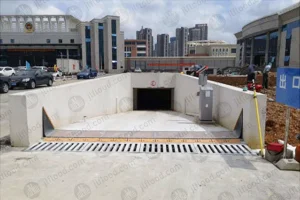
Explore our primary line of water-activated self-closing barriers engineered to deploy without electricity, external sensors, or human intervention during critical flash flood events.
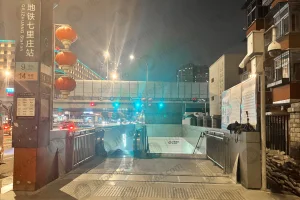
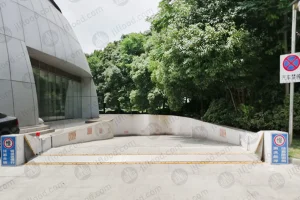
Urbanization and escalating climate volatility have combined to make sudden inland waterlogging and cloudburst events the single greatest physical threat to subterranean commercial and public infrastructure.
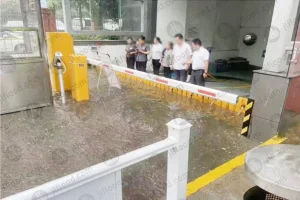
Historically, municipalities and civil engineering specifiers relied upon three primary flood defence methodologies: manual modular aluminum stoplogs, electrically powered vertical gates, or sandbag barriers. However, post-disaster forensics from major hurricane and typhoon events (including Typhoon Bebinca and urban atmospheric river storms) reveal systematic vulnerabilities in these traditional designs:
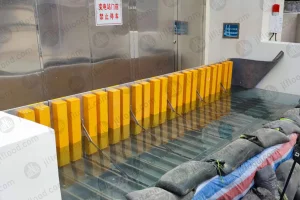
In contrast, hydrodynamic self-closing water-activated flood barriers represent a structural paradigm shift toward passive resilience. Operating entirely on hydrostatic principles and hydrodynamic buoyancy, these systems require zero electrical power, zero control wiring, zero human intervention, and zero sensor triggers. When flash floods arrive, the rising water itself becomes the energy source that deploys the barrier leaf within seconds.
Understanding how hydrodynamic buoyancy and Archimedes' principle are harnessed to transform incoming floodwaters into an unyielding structural seal.
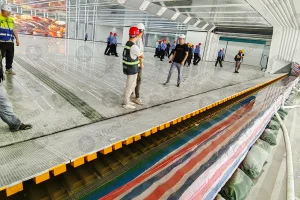
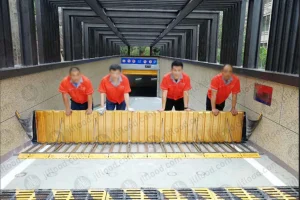
During normal dry operations, the barrier leaf rests completely flush within an stainless steel or heavy-duty galvanized foundation trough installed across the doorway or ramp. Vehicles, pedestrians, and heavy machinery (up to 60-ton truck load) pass over the top plate without vibration or hindrance.
As surface water accumulation reaches 30–50mm, water enters the foundation trough via front intake grates. The engineered hollow-chamber aluminum barrier panel experiences immediate positive displacement buoyancy ($F_b = \rho_{water} \cdot V_{displaced} \cdot g$). The panel begins pivoting upward automatically around its continuous stainless steel hinge matrix.
As the water level continues rising inside the trough, the hydrostatic head pressure forces the panel into a vertical or 75-degree inclined position. High-density continuous EPDM side and bottom gaskets compress against structural stainless steel frame jambs, creating a watertight barrier rated for zero leakage even under full structural static water heads up to 2.0 meters.
| Parameter / Model | HM4D-0006C (Heavy Driveway) | HM4D-0006D (Substation Type) | HM4D-0006E (Metro Station Gate) |
|---|---|---|---|
| Primary Deployment Mode | Hydrodynamic Buoyancy (Zero Power) | Hydrodynamic + Mechanical Self-Closing | Embedded Auto-Rising Hydro-Lock |
| Retaining Heights ($H_r$) | 600 mm – 1200 mm | 500 mm – 1500 mm | 800 mm – 2000 mm |
| Single Span Width | Up to 6.0 Meters per Leaf | Up to 4.5 Meters per Leaf | Modular Array (Unlimited Span) |
| Top Load Rating (Drive-Over) | AASHTO HS20 / 60-Ton Axle Load | 15-Ton Load Rating | Pedestrian / Light Utility Vehicle |
| Structural Leaf Material | 6060-T6 Aviation Grade Aluminum | SUS304 Stainless Steel / Al-Alloy | Anodized Marine-Grade Aluminum |
| Gasket / Sealing System | Dual-Lobe Continuous EPDM Rubber | Self-Centering Compression Rubber | Triple-Barrier Hydro-Sealing Profile |
| Leakage Rate (Tested) | 0.00 L/min/m (Zero Leakage) | < 0.01 L/min/m at Full Head | 0.00 L/min/m (Zero Leakage) |
As a recognized high-tech manufacturing leader headquartered in Qinhuai District, Nanjing, Jiangsu Province, Nanjing Junli Technology Co., Ltd. brings over a decade of deep engineering expertise across four core infrastructure sectors: intelligent civil defence, intelligent flood control, structural bridge solutions, and energy protection.
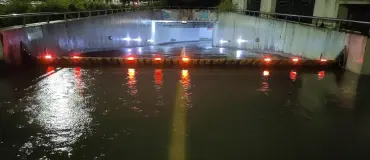
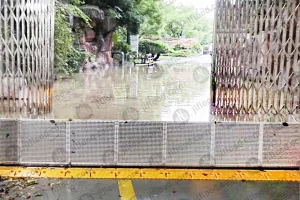
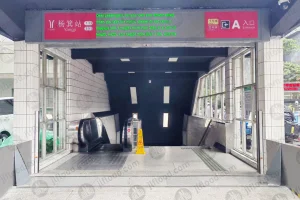
During major typhoon landings in coastal China, Junli self-closing barriers automatically deployed across metro entrances and commercial basements, holding back extreme surface runoff with zero personnel present and zero power availability.
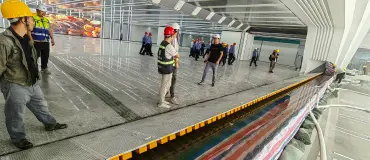
Our engineering team owns the patents for variable-density buoyancy chambers and low-friction hinge assemblies, ensuring immediate response even during rapid flash flood surge conditions.
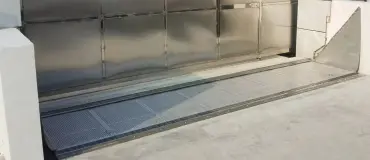
Unlike trading agents who supply untested designs, Junli subjects 100% of custom engineered barrier configurations to static hydro-head testing in our dedicated factory test pool prior to export shipment.
Different facilities face distinct civil engineering constraints, structural loads, and water flow velocities. Select your target sector below to review specialized flood defence architectures.
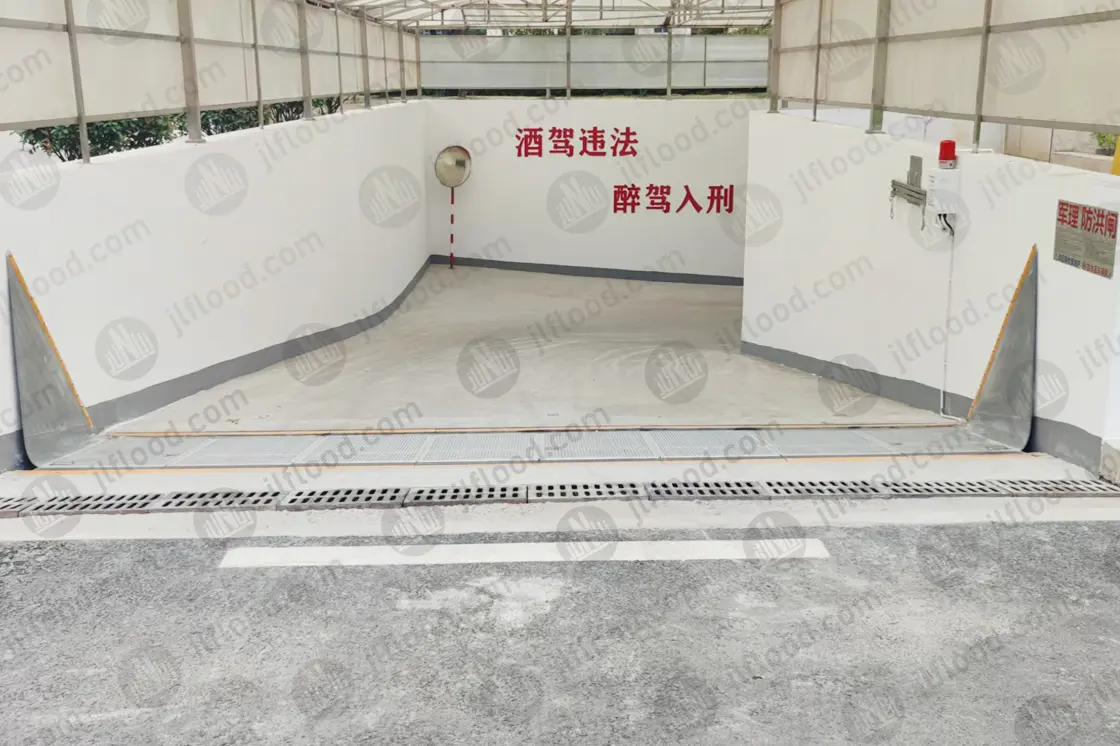
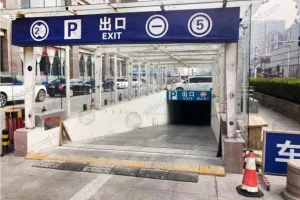
Vehicle ramps require flush-mounted foundation troughs capable of handling high-frequency daily vehicular traffic up to 60 tons. Our HM4D garage series rises automatically to seal the entire ramp width during cloudburst events.
View Garage Barrier Range →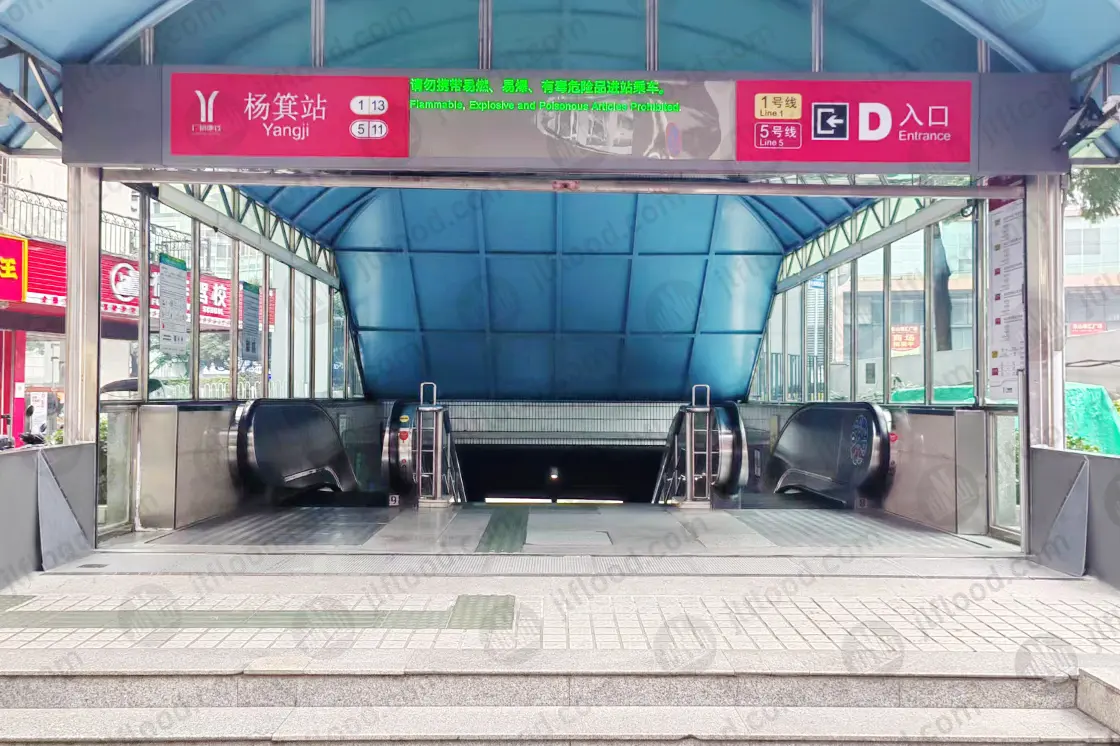
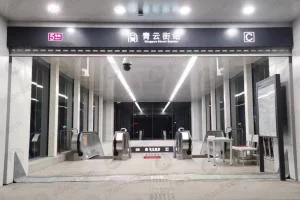
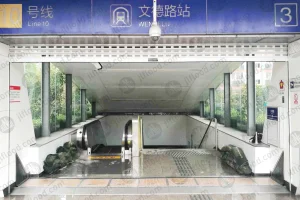
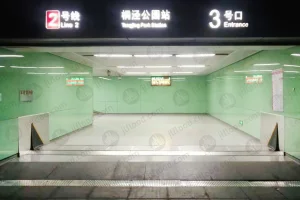
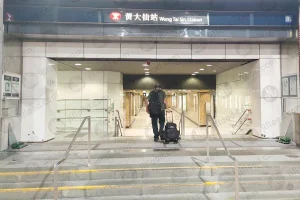
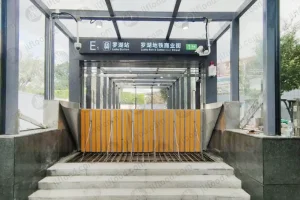
Operational metro station entrances, pedestrian walkways, and connecting underground retail channels require rapid installation without disrupting commuter flow. Field-proven on lines in Guangzhou, Beijing, Suzhou, and Hong Kong.
View Metro Systems →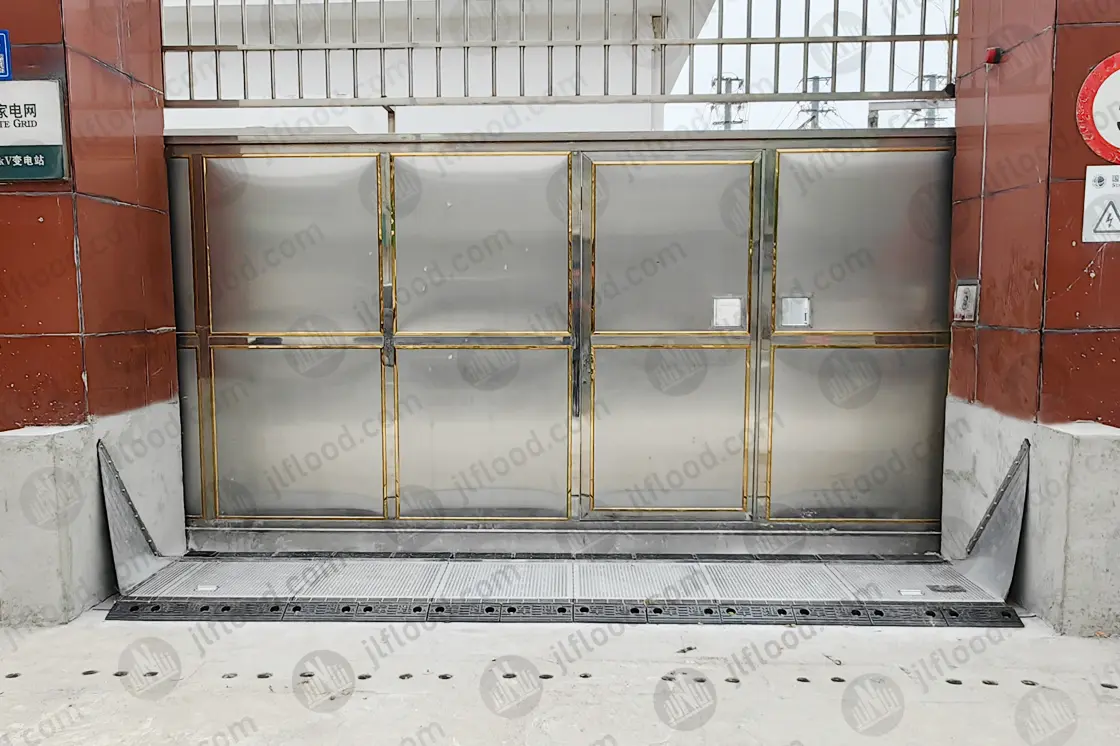
Water ingress into transformer bays or cable trenches causes catastrophic regional grid outages. Junli provides non-conductive, corrosion-resistant flood protection gates for state utility companies.
View Substation Solutions →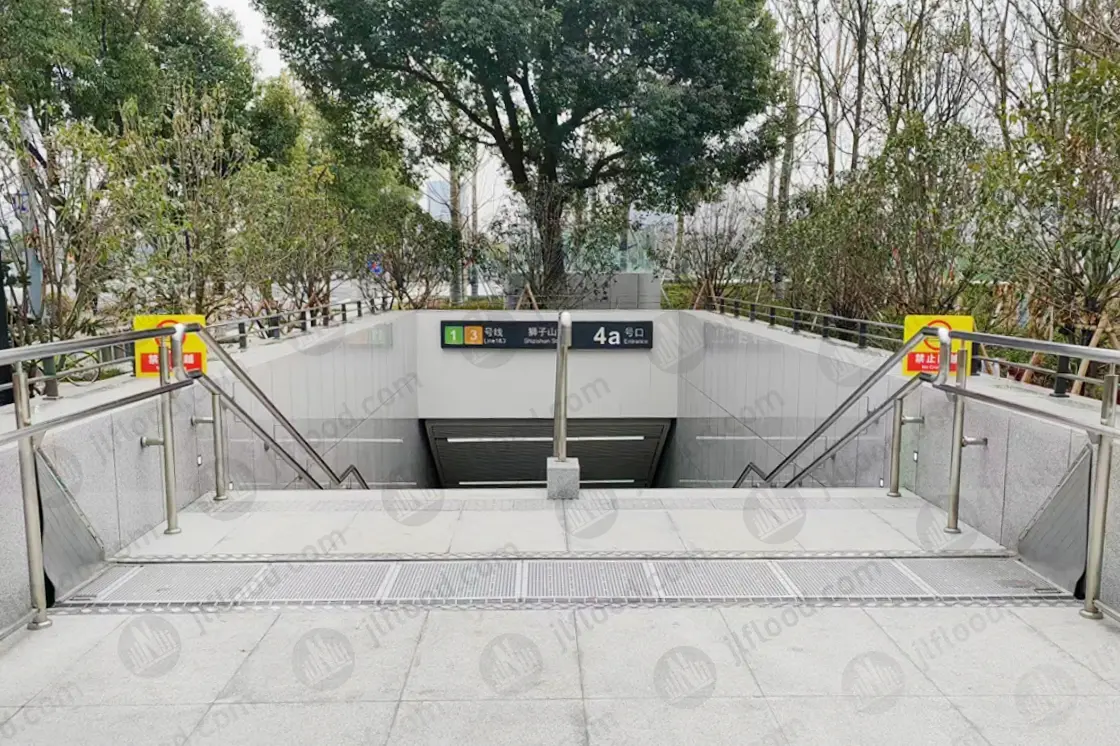
Documentation matters for project specification approval. Review actual water-retaining case histories and video logs recorded live during major tropical storms.
Review Field Proof →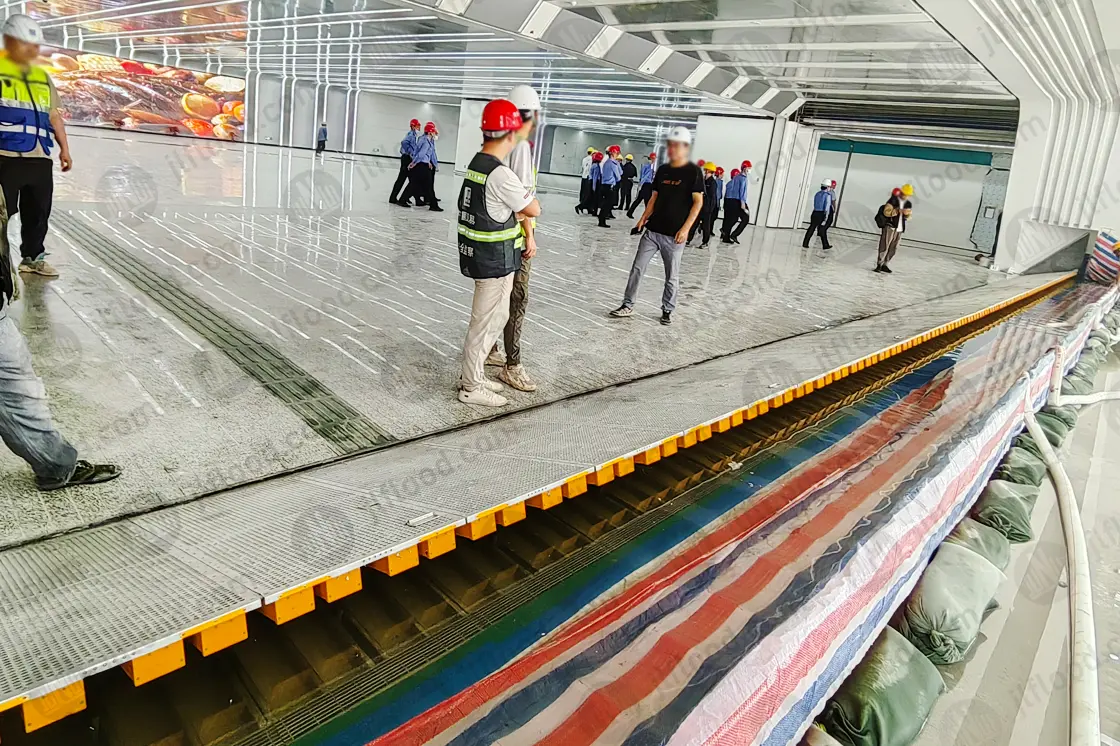
Third-party witnessed testing, seal deflection measurement, and custom civil engineering CAD integration before volume manufacturing begins.
Explore Testing Procedures →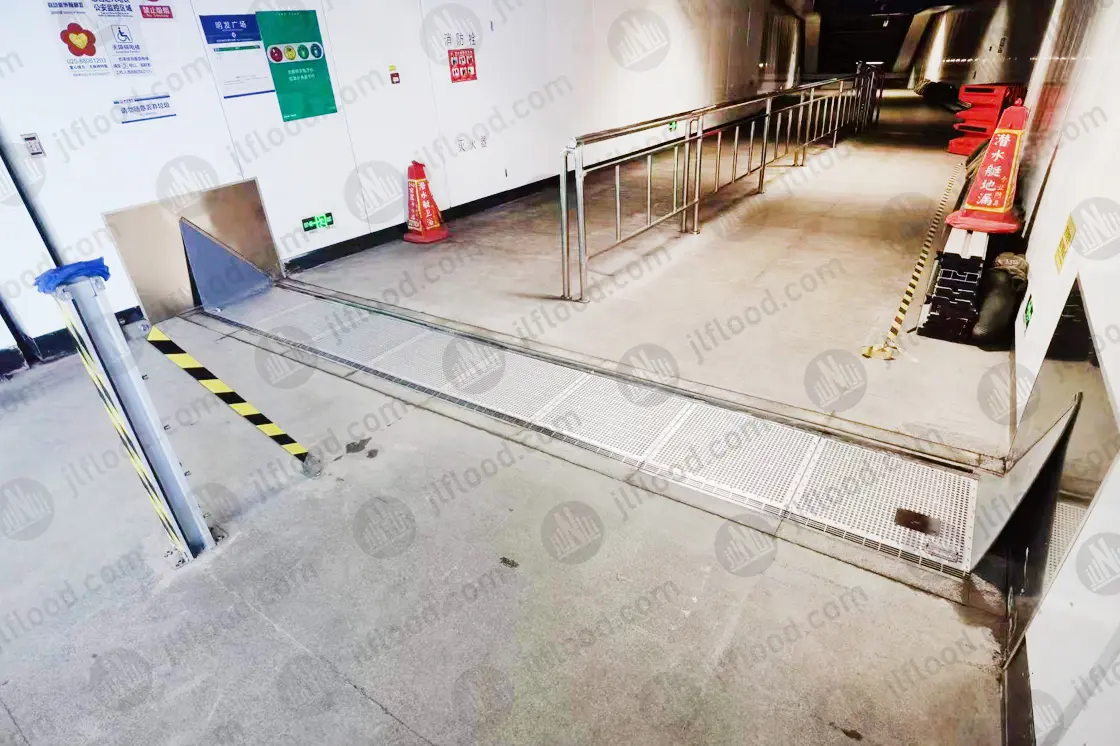
Lightweight modular flip-up barriers for narrow pedestrian entrances, server room doors, and retrofit projects where deep trenching is not permitted.
Browse All Products →Successful flood defence implementation requires seamless coordination between architectural design, civil concrete pouring, and mechanical hardware installation.
We provide complete localized engineering submittal packages, including foundation trough rebar reinforcement layouts, concrete grade specifications (C30/C35 minimum), kerb transition geometries, and bottom drainage pipe outlet designs to prevent sediment accumulation.
Junli flood barrier systems are manufactured under ISO 9001:2015 quality management and ISO 14001 environmental compliance. Material certificates (EN 10204 3.1 for SUS304 and 6060-T6 Alloy) and CE structural documentation are provided with every wholesale shipment.
For international EPC contractors and municipal buyers, our overseas engineering service group offers step-by-step video installation guidance, embedded frame template alignment validation, and optional technician dispatch for large-scale infrastructure projects.
While mechanical reliability remains the foundation of physical protection, Junli is advancing smart integration into urban resilience networks.
Integrating self-powered micro-transmitters into the foundation trough. When rising water initiates barrier deployment, an instant wireless status alert is broadcast to central SCADA and Smart City emergency management platforms without relying on external power cables.
Developing ultra-light carbon-hybrid aluminum leaf structures that reduce initial activation water head thresholds to under 15mm, providing ultra-fast response for low-threshold commercial doorways.
Hydro-dynamic internal flushing nozzles that utilize incoming water momentum to wash away silt, leaves, and street debris from sealing surfaces during deployment, guaranteeing an airtight seal in storm surges.
Detailed answers to common questions from consulting engineers, project procurement managers, and municipal distributors.
Review the remaining standard models available for wholesale bulk ordering, tender bidding, and custom dimensional OEM manufacturing.
Send us your entrance clear width, design flood head requirement, and traffic loading parameters. Our engineering department will return structural submittal drawings, hydro-test reports, and direct factory pricing within 24 hours.