Facebook LinkedIn YouTube
Engineering Infrastructure Resilience

Wholesale Surface Type Flood Barrier For Underground Stations Manufacturers & Quotes

Hydrodynamic Self-Rising Defense Systems | Zero-Power Autonomous Operation | Engineered for Rapid Retrofit in Global Mass Transit Networks

Primary Product Lineup

Surface-Mounted & Hydrodynamic Flood Gates

Commercial-grade autonomous flood protection systems designed for subway entrances, utility vaults, and subterranean commercial ramps.
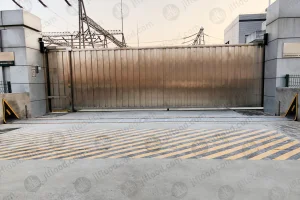
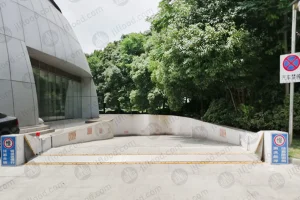
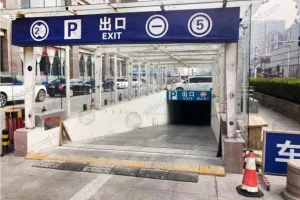
Wholesale Flood control defence Manufacturer, Supplier
Request Engineering Quote
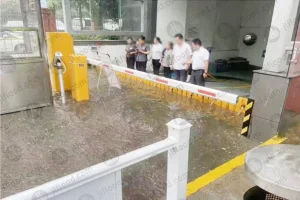
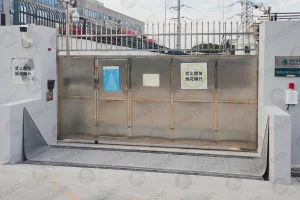
China Automatic Flood Barrier at Substation Gate Factory, Pricelist
View Technical Specs
Wholesale Automatic flood barrier, Embedded installation Manufacturer, Suppliers
Get Wholesale Pricing
Wholesale Self closing flood barrier Hm4d-0006D Suppliers, Pricelist
Download Datasheet
Wholesale Flip-up flood barrier for garages Manufacturer, Factory
Inquire Bulk Rates
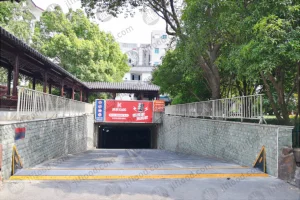
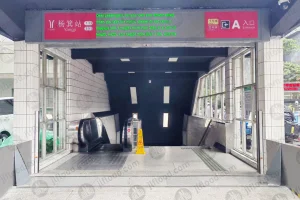
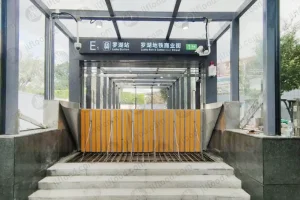
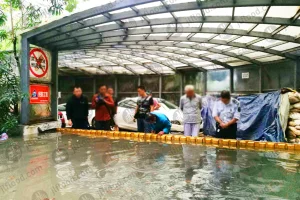
Wholesale Flood Barrier at Guangzhou Metro Yangji Station Suppliers, Factory
Examine Case Study
Wholesale Flood barrier, Flood defence automaticlly Manufacturer, Pricelist
Request Specifications
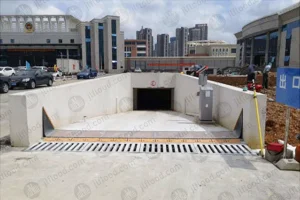
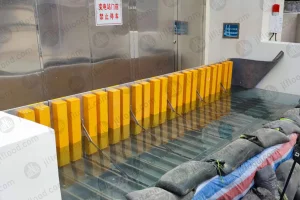
Wholesale Automatic flood barrier, Surface installation metro type: Hm4d-0006E Supplier, Quotes
Get Surface Type Quote
0.1s
Passive Hydrodynamic Activation Time
100%
Power-Independent Blackout Reliability
30+
Global Metro & Transit Networks Protected
2.0m
Maximum Hydrostatic Head Retaining Height
Macro Economic Analysis

Global Vulnerability & The Shift to Surface-Type Metro Flood Protection

An engineering insight into urban micro-climates, subterranean inundation risk, and low-friction municipal retrofits.

In an era marked by accelerating climate volatility, major metropolitan areas worldwide face unprecedented municipal surface flooding. Rapid urban expansion has led to concrete saturation, drastically lowering ground absorption rates. Consequently, cloudburst events and typhoon-induced rainwater surges exceed local storm sewer capacities within minutes. Subterranean public transportation networks—specifically underground metro stations, subterranean transit interchanges, and interconnected utility conduits—represent the single most vulnerable vector for catastrophic structural damage and human risk during such flash flooding events.

Historically, transit authorities relied on manual flood plank placement or heavy civil engineering modifications involving deep excavation, sump pit installations, and underground recess chambers. However, modern urban civil engineering faces two massive bottlenecks: prohibitive excavation disruption to operational metro lines and the high rate of human failure or power loss during extreme storms. When extreme weather strikes, municipal power grids frequently trip, disabling electric pumps and motorized gates precisely when maximum water-retaining capacity is required.

This technical whitepaper examines the global commercial transition toward Surface-Type Automatic Hydrodynamic Barrier Systems (such as the specialized Hm4d-0006E series). Designed by industry-leading engineering firms like Nanjing Junli Technology Co., Ltd., surface-mounted hydrodynamic barriers eliminate deep ground trenching, drastically reduce installation timelines from months to days, and deploy completely autonomously using buoyancy physics without a single watt of electricity.

E-E-A-T Technical Baseline: Zero-Power Hydrodynamic Buoyancy Principle

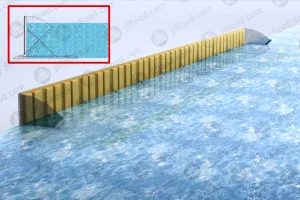
Unlike motorized flood doors reliant on water level sensors, PLC controllers, and emergency diesel back-up generators, surface-type passive flood barriers use hydrostatic pressure differential and Archimedes' buoyancy principle. As surface runoff cascades toward a station entrance, water collects in a low-profile surface-mounted foundation tray. The incoming fluid lifts the high-tensile 6063-T6 marine-grade aluminum panel, mechanically locking it into a vertical retaining position. The higher the floodwater rises, the tighter the dual-lip EPDM seals press against the side jambs.

Engineering Comparison

Surface-Mounted vs. Traditional Embedded Flood Defense Systems

Evaluating total cost of ownership, installation friction, and structural integrity for metro station retrofits.

Traditional Deep-Embedded Barriers

Requires intensive civil excavation, ground utility re-routing, and extended station closures.

  • Requires 400mm–800mm foundation excavation depth.
  • High risk of striking underground electrical, communication, or water mains during trenching.
  • Extended installation windows (up to 30–60 days per station exit).
  • Prone to mud, leaf, and silt accumulation inside deep recessed ground pits.
  • Demands complex motorized or manual deployment protocols.
Optimal Retrofit Choice

Surface-Type Hydrodynamic Barriers (Hm4d-0006E)

Mounted flush on finished ground slab using heavy-duty expansion anchors and minimal ramping.

  • Requires only 50mm–90mm shallow mounting profile or direct surface anchoring.
  • Zero structural disturbance to underlying utility channels or waterproof membranes.
  • Rapid overnight installation (completed in 4 to 8 hours without interrupting daytime rail operations).
  • Self-cleaning slope design prevents debris clogging in normal pedestrian traffic conditions.
  • 100% automatic passive lifting triggered solely by incoming water buoyancy.
Application Engineering

Target Infrastructure Deployment Scenarios

Specific spatial and structural integration models for urban mass transit and utility hubs.

Metro Station Entrance Portals

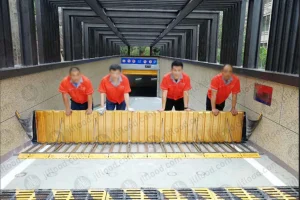
Installed directly at ground level in front of station steps or escalator landings. The surface barrier acts as a seamlessly integrated tread plate during fair weather (capable of supporting 20-ton vehicular or heavy pedestrian loads) and automatically swings up during extreme cloudbursts to block water ingress into the station concourse.

Electrical Power Substations & Control Vaults

Critical infrastructure protection for high-voltage transformer rooms and railway signaling substations (such as the field-proven China Automatic Flood Barrier at Substation Gate). Prevents water ingress that could cause multi-million-dollar electrical arcs, equipment destruction, and transit grid blackouts.

Underground Commercial Parking Ramps

Heavy-duty surface models (e.g., Hm4d-0006C Heavy Duty Automatic Flood Gate) installed at garage entrance slopes. Handles continuous vehicle traffic with zero structural fatigue, rising automatically when flash floods cascade down the access ramp.

Emergency Ventilation Shafts & Egresses

Compact, modular self-closing panels (such as Hm4d-0006D Self Closing Flood Barriers) deployed around low-curb emergency escape routes and pavement ventilation grilles, forming an impenetrable barrier against elevated water heads.

Coastal Transit Networks Under Storm Surge

Engineered with 316-grade stainless steel hardware and anti-corrosive anodized aluminum alloys, surface barriers resist saline exposure, brackish floodwater, and abrasive debris carried by severe coastal storm surges.

Smart IoT Telemetry Integration

Equipped with passive hydraulic sensors and optional IoT telemetry limit switches that instantly alert central transit management software (SCADA) the precise second a barrier begins its hydrodynamic deployment.

Technical Roadmap

Engineering Standards & Material Specifications

A detailed architectural blueprint of Nanjing Junli Technology’s surface flood barrier manufacturing process.

1. Structural Hydrodynamic Metallurgy

The core retaining panel of the surface barrier is extruded using architectural-grade 6063-T6 Aluminum Alloy. This material offers an exceptional strength-to-weight ratio, ensuring immediate buoyancy response upon water contact while resisting structural deflection under maximum hydrodynamic head pressure (up to 20 kN/m² hydrostatic lateral force). The surface treatment undergoes a 25-micron anodic oxidation process, rendering the assembly impervious to chemical runoff, automotive fluids, and severe weather oxidation.

2. Dual-Lip Hydro-Dynamic EPDM Sealing Mechanics

Water-tightness is the primary benchmark of any defense system. Junli surface barriers utilize custom-molded EPDM (Ethylene Propylene Diene Monomer) synthetic rubber gaskets installed along side columns and bottom hinging points. The sealing system features a hydro-pressurized double-lip geometry: as water pressure increases against the outer face of the panel, the force mechanically compresses the EPDM seal tighter against the frame, achieving a zero-leakage performance verified in factory pool testing.

3. Modular Length Engineering & Infinite Span Connection

Metro station entrances vary wildly in clear opening widths—ranging from narrow 2-meter pedestrian portals to wide 15-meter multi-lane concourse entrances. Junli’s surface system utilizes modular intermediate structural mullions. These mullions allow multiple 3-meter or 4-meter barrier leaves to be connected in continuous series, providing seamless, unyielding protection across unlimited span lengths without compromising structural rigidity.

Frequently Asked Questions

B2B Procurement & Engineering Inquiry FAQ

Detailed technical answers to common specification, installation, and wholesale procurement questions.

How does a surface-type flood barrier deploy during a total municipal power outage?
Surface-type hydrodynamic flood barriers operate 100% passively. They require no electricity, motors, hydraulic pumps, or human intervention. When surface floodwater reaches the activation trench in front of the gate, incoming water fills the internal buoyancy chamber. The natural upward buoyant force lifts the panel automatically, and hydrostatic pressure locks it against the seals. It guarantees 100% operational reliability even during complete electrical grid failure.
What is the typical installation depth required for surface-mounted metro barriers?
Surface-type units like the Hm4d-0006E model require zero traditional pit excavation. They are installed flush on the existing finished concrete slab or asphalt threshold using high-strength chemical expansion anchors. Shallow transition ramps (with an incline slope under 5%) are positioned on either side, allowing foot traffic, wheelchairs, and maintenance carts to cross effortlessly during normal operations.
How do Junli flood barriers prevent sediment, leaves, and trash from impeding deployment?
The foundation tray features a patented debris-deflection angle and self-flushing hydraulic channel design. Under standard non-flooding conditions, protective stainless steel top plates seal the narrow intake slot. When flash floods hit, water pressure clears light debris through pre-calculated drainage channels while water buoyant forces lift the door smoothly without jamming.
What is the certified service lifespan and maintenance cycle for these barriers?
The 6063-T6 aluminum structure and stainless steel components have a designed engineering service life exceeding 25 years. The heavy-duty EPDM sealing gaskets carry an operational lifespan of 10 to 15 years depending on local UV and climate exposure. Maintenance requires only a quarterly visual inspection and routine removal of accumulated dust from the base tray.
Can wholesale and OEM orders be customized for specific project drawings and dimensions?
Yes. As a direct manufacturer headquartered in Nanjing, China, Nanjing Junli Technology Co., Ltd. offers full OEM engineering support. We custom-manufacture barrier leaves to exact architectural clear spans, retaining heights (0.5m to 2.0m), and load ratings. Complete CAD drawings, BIM models, and hydraulic test reports are provided for consulting engineering approval.
Complete Metro & Substation Series

Specialized Hydrodynamic & Automatic Gates

Explore our complete range of certified flood protection hardware engineered for public utilities and transit operators.
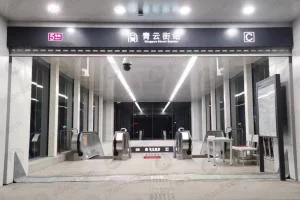
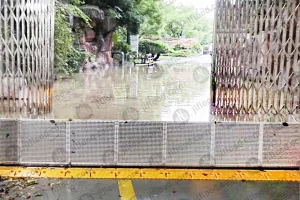
Wholesale Flood Gate at Metro Stations Manufacturer, Suppliers
Request Wholesale Quote
China Automatic Flood Barrier without electric power Pricelist, Quotes
Get Power-Free Pricing
China Flood Barrier at Dalian Metro Stations Manufacturers, Quotes
View Dalian Case Study
Wholesale Flood Barrier at Metro Stations Manufacturer, Quotes
Download Station Brochure
China Heavy duty automatic flood gate Hm4d-0006C Factory, Pricelist
Request Heavy Duty Specs
China Self closing flood barrier Factory, Factories
Contact Factory Direct
Wholesale Modular hydrodynamic automatic flood gate Supplier, Factories
Inquire Modular Gate
China Flood Barrier at Substation Gate Manufacturer, Supplier
Get Substation Quote
Direct Manufacturer Support

Partner With Nanjing Junli Technology For Global Flood Defense Projects

Whether you are designing a new mass transit metro line or retrofitting an operational underground station, our engineering team provides complete site survey analysis, custom CAD drawings, factory water testing, and international shipping logistics.

Submit Engineering RFQ
Request a Catalog