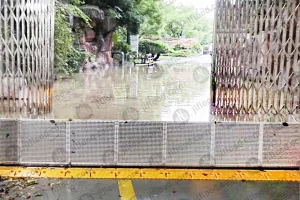
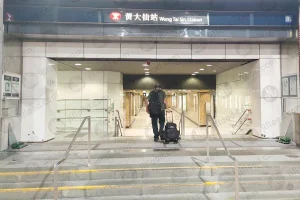
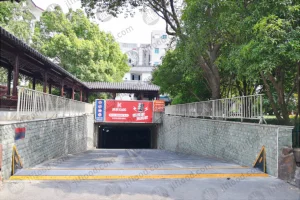
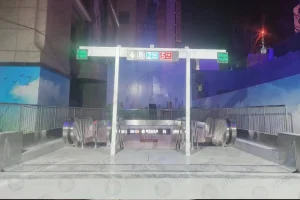
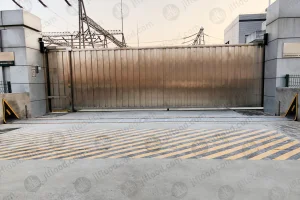
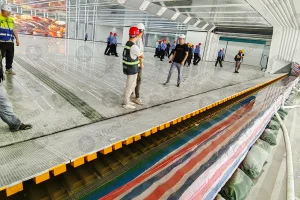
Engineered for immediate deployment across metro networks, underground commercial garages, electrical substations, and critical public civil infrastructure.
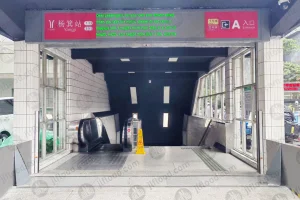
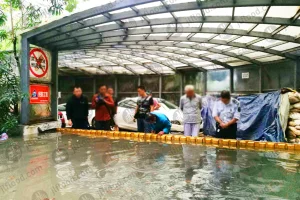
As global climate shifts intensify extreme meteorological events, municipal storm surges, flash inundations, and urban pluvial flooding present unprecedented risks to subterranean infrastructure, electrical networks, and commercial real estate. Traditional flood mitigation strategies—predicated heavily on manual labor-intensive sandbag transportation—are increasingly proving inadequate due to severe deployment delays, heavy logistical overheads, high labor expenses, and biological contamination risks associated with post-flood wet sand disposal.
Nanjing Junli Technology Co., Ltd. stands at the forefront of flood mitigation technology, bridging chemical hydro-polymer engineering with advanced structural civil defense systems. Water-Activated Flood Bags (often referred to as self-expanding sandless sandbags) utilize high-molecular-weight Super Absorbent Polymers (SAP) encapsulated within high-tensile, hydrophilic non-woven geotextile casings. Upon contact with incoming fresh floodwaters, the dry inner polymer matrix undergoes rapid osmotic absorption, expanding from a lightweight 0.45 kg dry pad into a dense, non-permeable 20 kg structural barrier within 180 to 300 seconds.
A standard 1,000-unit emergency flood barrier requirement using traditional sandbags demands 20 metric tons of pre-filled material transport, requiring heavy flatbed trucks, forklift machinery, and 12-15 emergency personnel. Conversely, 1,000 dry Water-Activated Flood Bags weigh approximately 450 kg in total, compressed tightly into 2 standard wooden pallets, deployable by a single operator in minutes, reducing emergency response logistics by over 95%.
| Performance Metrics | Traditional Sandbags | Water-Activated SAP Bags | Hydrodynamic Passive Gates (Junli) |
|---|---|---|---|
| Unsaturated Dry Weight | 18.0 kg – 22.0 kg (Pre-filled) | 0.40 kg – 0.50 kg | Recessed Floor Installation |
| Hydration / Activation Time | Immediate (Requires manual fill/transport) | 3 – 5 minutes upon water contact | 0.1 second dynamic hydro-buoyancy |
| Operational Energy Req. | Heavy Manual Labor | Zero Power / Zero Labor | Zero Power / Hydro-mechanical |
| Storage Efficiency | Low (Bulk outdoor footprint) | Ultra-High (Vacuum packed / 5-yr shelf life) | Flush with ground (Zero spatial loss) |
| Interlocking Sealing Capability | Moderate (Gaps require plastic sheeting) | High (Gel expansion forms tight seal) | 100% Hermetic EPDM Gasket Seal |
| Environmental Impact | High waste / Contaminated sand disposal | Eco-degradable polymer & textiles | 20-Year Stainless Steel Lifecycle |
Exploring the technical horizon of reactive flood barrier materials, micro-encapsulation chemistries, and smart municipal monitoring arrays.
Advanced acrylic acid co-polymer formulation featuring hyper-branched cross-linking density. Achieves gel strength exceeding 12,000 Pa upon saturation, preventing structural collapse under sustained hydrostatic head pressure up to 1.5 meters high.
Dual-layer casing architecture combining an inner hydrophilic mesh with an outer UV-stabilized recycled polypropylene shell. Engineered for zero toxic microplastic residue post-decommissioning, meeting stringent EU REACH and US EPA standards.
Integration of low-power NB-IoT moisture sensors directly embedded within critical flood bag storage modules and hydrodynamic gate trenches. Automatically alerts municipal emergency command centers when initial hydration triggers occur.
Customized flood mitigation matrix tailored to structural geometry, hydrodynamic pressure, and access requirements.
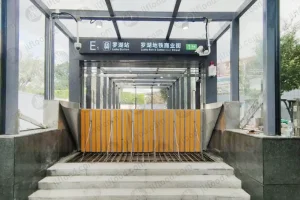
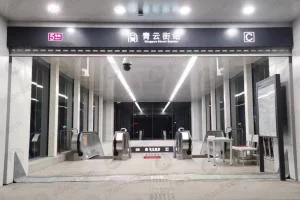
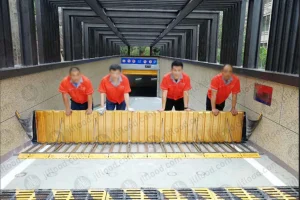
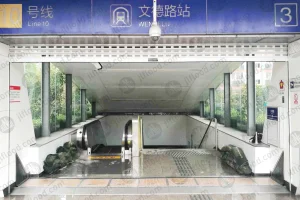
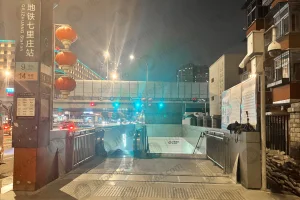
Subway station entrances, ventilation shafts, and pedestrian connecting tunnels are critical urban failure points during flash floods. By combining Junli's zero-electricity Hydrodynamic Automatic Flood Gates at main station portals with emergency reserves of Water-Activated Flood Bags, rail operators establish a dual-tier protection network capable of withstanding 50-year storm events without disrupting passenger flow during normal dry operations.
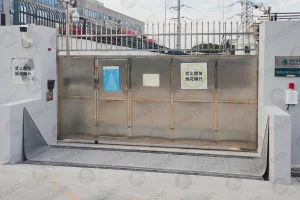
Power substations house sensitive high-voltage transformers, switchgear control rooms, and underground cable trenches. Water ingress leads to catastrophic short-circuiting, citywide blackouts, and millions in asset loss. Stainless steel modular surface barriers and self-contained water bags provide rapid perimeter sealing around transformer bays and perimeter access gates, maintaining grid integrity during severe typhoons.
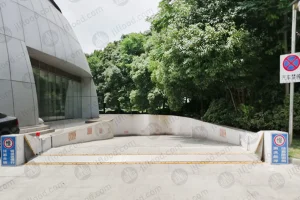
Underground parking ramps act as natural funnels for street surface runoff. Recessed flip-up barriers combined with water-activated sandless bags allow vehicles to pass freely during dry weather while automatically deploying robust physical dams when surface water accumulation reaches critical thresholds, protecting thousands of parked vehicles and subterranean mechanical rooms.
Chemical processing facilities require strict containment barriers to prevent toxic runoff from escaping into municipal storm drains during torrential rain events. High-density water bags rapidly construct temporary retention dikes around chemical storage tanks, providing non-reactive, chemical-resistant barrier walls.
Verified under actual flood conditions during typhoon seasons across major Asian transit systems and critical infrastructure hubs.
During Typhoon Bebinca, multiple municipal underground garage installations equipped with Junli automatic hydrodynamic flood barriers and water-activated backup systems successfully blocked over 1.2 meters of storm surge with zero power supply and zero manual intervention.
Every batch of SAP hydro-activated bags and automatic flood gate assemblies undergoes rigorous 100% full-head water testing in our 50-meter hydrostatic testing tank to verify zero-leakage tolerances and material tensile limits.
Leveraging advanced Chinese manufacturing clusters to deliver certified quality, competitive wholesale pricing, and rapid global delivery timelines.
Our automated production lines utilize high-precision gravimetric dosing units to ensure uniform distribution of super absorbent polymer granules within every pocket, achieving a ±0.5g fill accuracy for consistent swelling geometry.
Replacing standard needle stitching, our continuous ultrasonic seam welding technology bonds non-woven geotextile layers together at a molecular level, preventing seam tearing or polymer leakage under extreme hydrodynamic loading.
With a 15,000 m² automated warehouse facility in Nanjing, we maintain a permanent strategic reserve of dry water-activated bags and modular components ready for immediate emergency air/sea freight dispatch within 24 hours of RFQ confirmation.
Engineered to meet and exceed international civil engineering standards, municipal flood control mandates, and environmental regulations.
Our flood defense solutions are tested in accordance with international protocols, including ASTM F3057 (Standard Practice for Measuring Flood Barrier Performance) and BS EN 13501-1 for material fire behavior. Structural stainless steel components undergo rigorous salt spray corrosion testing (ASTM B117) to ensure a 20+ year marine environment lifespan.
We work directly with overseas procurement managers, civil engineering consultants, and municipal tenders. Custom services include tailor-made bag dimensions, private label packaging, embedded CAD site drawing reviews, structural calculation reports, and bilingual installation manuals.
Optimizing total cost of ownership (TCO), freight volume economics, and volume purchasing frameworks for enterprise buyers.
Provide site dimensions (clear entrance width, design flood height), local ambient temperature ranges, and salinity levels (freshwater vs. brackish storm surge) when submitting RFQs for accurate polymer formulation selection.
Dry water-activated bags are vacuum packed in heavy-duty polybags (5 bags per inner sleeve, 50 bags per master carton). A standard 20ft FCL container holds approximately 18,000 units, equivalent to 360 metric tons of activated sandbags.
Factory Acceptance Testing (FAT) reports, third-party SGS/TÜV inspection certificates, and full water swelling test video footage are provided prior to final shipment release.
Addressing essential queries regarding water activation chemistry, operational constraints, lifespan, and maintenance protocols.
Water-Activated Flood Bags are flexible, portable emergency barriers utilizing Super Absorbent Polymers (SAP) that expand upon contact with water. They are ideal for rapid manual deployment in unpredictable locations. Hydrodynamic Automatic Flood Gates (such as Junli's surface-mounted or embedded series) are permanent structural installations built into ground foundations. They rise automatically via physical buoyancy forces without power, providing instant 24/7 automated protection for high-value entrances like metro stations and power substations.
Standard sodium polyacrylate formulations react optimally with fresh water (rainwater, river runoff, municipal water). High concentrations of sodium chloride (saltwater/ocean surges) reduce the osmotic swelling capacity of standard polymers by up to 50-70%. For coastal environments subject to seawater intrusion, Junli manufactures a specialized multi-valent cross-linked polymer blend specifically formulated for high-salinity activation. Please specify saltwater requirements during quotation.
When kept in their original moisture-barrier foil packaging and stored in a cool, dry environment away from direct sunlight, Junli Water-Activated Flood Bags maintain an operational shelf life of 5 to 8 years. Regular annual spot inspections of vacuum seals are recommended for municipal stockpiles.
While SAP bags remain expanded for several weeks during a flood event, they will gradually naturally deswell over several months as water evaporates. However, because floodwaters typically carry silt, oil, pathogens, and heavy metals, re-drying spent bags for secondary emergency use is generally not recommended due to cross-contamination and reduced secondary expansion capacity. They are designed primarily as single-use high-efficiency emergency response consumables.
For standard single-width pyramid stacking (staggered joint arrangement like brickwork), a maximum stack height of 3 to 4 layers (approx. 0.5 to 0.6 meters) is recommended. For higher water retention requirements up to 1.2 meters, a double-wide base pyramid pattern or rigid hydrodynamic barrier gates should be utilized to prevent sliding under hydraulic shear stress.
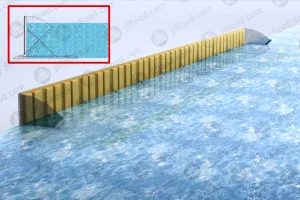
Explore specialized automatic, flip-up, and heavy-duty embedded hydrodynamic barriers manufactured directly at our Nanjing industrial facility.
Contact Nanjing Junli Technology's engineering desk for structural CAD evaluations, customized SAP bag OEM orders, or formal factory tender pricing.