Factory-direct hydrodynamic flood barrier assemblies designed for subterranean transit, utility substations, and industrial driveways.

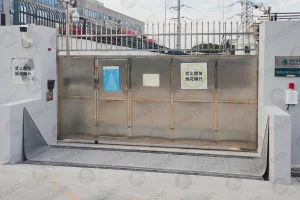
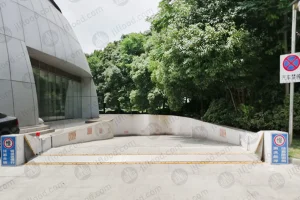
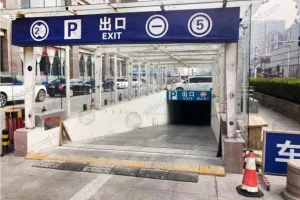
Analyzing the global paradigm shift from manual emergency deployments to zero-power hydrodynamic passive flood mitigation architecture across critical subterranean assets.
Standard electrical flood gates fail when severe storms trigger grid blackouts. Hydrodynamic systems operate strictly via fluid dynamics and hydrostatic buoyancy—eliminating power supply dependencies.
Passive hydrodynamic gates respond instantly as surface water reaches the structural threshold basin. Mechanical deployability guarantees execution without human delay or site personnel presence.
Structural recessed frames constructed from structural steel (Q355B) and aircraft-grade aluminum alloy (6060-T6) seamlessly endure heavy logistics, buses, and fire apparatus.
Built with self-lubricating bronze bearings and dual EPDM dynamic lip seals, engineered for a minimum 25-year structural service cycle with ultra-low lifecycle maintenance.
Rapid global climate change has accelerated extreme weather anomalies, transforming urban flash floods and pluvial inundations into major threats for subterranean infrastructure. Conventional flood mitigation relies heavily on manual intervention—such as positioning sandbags, mounting demountable aluminum flood planks, or activating electrical motor-driven gates. However, historical data proves that real-world flooding events are almost universally accompanied by regional electrical grid collapses, severe traffic congestion, and delayed response windows.
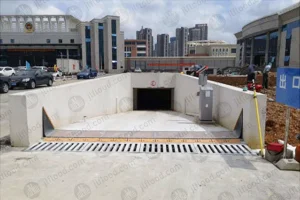
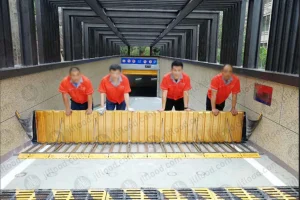
The Water-Activated Hydrodynamic Flood Barrier represents a major leap forward in passive infrastructure resilience. Designed to sit flush with existing driveways, pedestrian walkways, or station thresholds, the system remains completely dormant during normal operations. When flash floods hit, incoming surface water automatically flows into the barrier's recessed foundation chamber. The resulting hydrostatic pressure and fluid displacement generate reliable buoyancy forces, lifting the barrier panel into a vertical retaining position. This passive mechanism secures critical infrastructure entrances without needing sensor triggers, electrical connections, or manual labor.
Exposing the buoyancy dynamics, structural finite element calculations, and multi-stage seal assemblies governing passive water-activated gates.
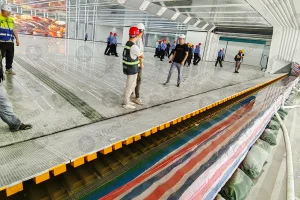
The mechanical core operates on Archimedes' principle of hydrostatic uplift force ($F_b = \rho \cdot V \cdot g$). As water levels rise above the intake threshold, water pours into the floor pit. The hollow, lightweight 6060-T6 aluminum panel displaces fluid, generating positive buoyancy that rotates the panel on its continuous 304 stainless steel hinge axis. As water levels increase, hydrostatic pressure pushes the panel firmly against the structural frame, creating an impenetrable dynamic seal.
Effective water retention depends on advanced seal engineering. Junli hydrodynamic flood gates feature a proprietary triple-stage sealing array: an initial debris-deflection strip, a primary co-extruded EPDM elastomer seal, and a secondary NBR hydraulic lip seal. This multi-tier design maintains airtight and watertight integrity under dynamic hydrodynamic wave forces and static head pressure up to 2,000 mm WG.
A primary engineering concern with recessed barrier pits is sediment build-up. Our design includes bottom-flushing channels and sloping chamber floors. Integrated silt traps capture coarse runoff grit, while high-velocity drainage outlets flush out fine particles during panel retraction—preventing mechanical jamming during repeated flood cycles.
Direct factory pricing guidelines, structural specification variables, and B2B volume discount thresholds for engineering contractors and site developers.
| Barrier Model / Series | Retaining Height | Material Specification | Load Rating | Est. Wholesale Price Range (USD/m) |
|---|---|---|---|---|
| HA-600 Light Commercial | 500 mm – 600 mm | Aluminum Alloy 6060-T6 / EPDM Seals | 15 Tons (Axle Load) | $450 – $680 / meter |
| HA-1000 Infrastructure Standard | 800 mm – 1000 mm | 6060-T6 Frame / Stainless Steel 304 Pit | 25 Tons (AASHTO HS-20) | $720 – $1,050 / meter |
| HM4D-0006C Heavy Duty Metro | 1000 mm – 1500 mm | Stainless Steel 316L / Reinforced Frame | 40 Tons (Eurocode D400) | $1,100 – $1,650 / meter |
| HM4E-06C Embedded Substation | 600 mm – 1200 mm | Non-Conductive Composite / SS304 | 30 Tons Heavy Logistics | $890 – $1,350 / meter |
| Custom Flip-Up Modular Array | Up to 2000 mm | Modular Marine-Grade Aluminum | Custom Heavy Machinery | Quote Upon Specification |
Commercial cost estimates for water-activated flood barriers depend on several core parameters: total linear clear span width, required vertical retention height, environmental corrosion exposure (304 vs 316L stainless steel), top cover plate load ratings, and custom smart sensor/alarm telemetry integrations.
We provide tiered pricing for municipal infrastructure projects, metro line tenders, and multi-site commercial real estate portfolios. Bulk orders exceeding 50 linear meters qualify for direct factory rebates, custom dimension engineering, and on-site commissioning oversight.
Tailored engineering installations designed to satisfy municipal civil defense standards and international flood protection requirements.
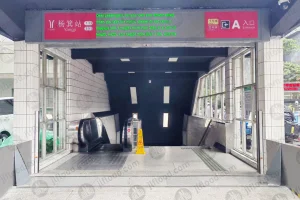
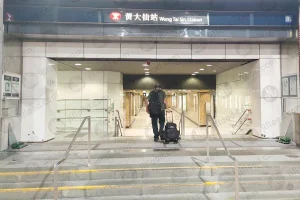
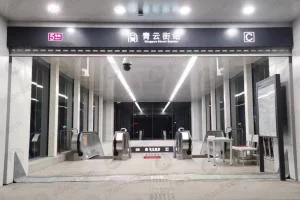
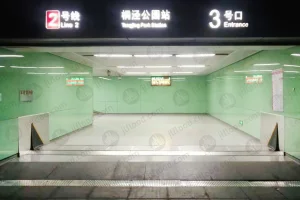
Subway station stairwells, ventilation shafts, and subterranean connections demand 100% water exclusion. Installed along transit networks in Guangzhou, Beijing, Dalian, and Suzhou, our metro-series gates deploy automatically during surface rainstorms, preventing catastrophic flooding in subterranean rail networks.
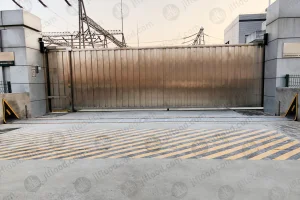
Substation water ingress risks major transformer short-circuits, region-wide power outages, and millions in equipment loss. Non-conductive, corrosion-resistant embedded flood barriers insulate control rooms, cable trenches, and perimeter gates—ensuring continuous power grid operation during major storms.
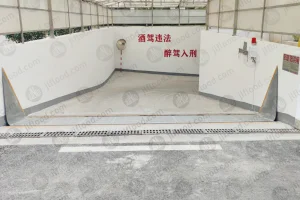
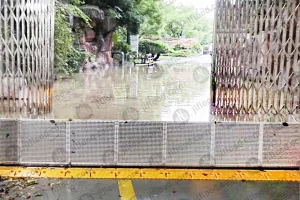
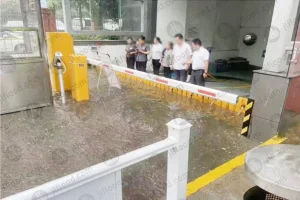
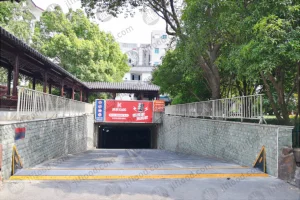
Modern shopping malls, hospitals, and residential complexes rely on underground parking facilities. Flush-mounted ramp barriers allow thousands of vehicles to drive over them smoothly every day, rising automatically only when surface floodwaters threaten to cascade down the entrance ramp.
Combining zero-power hydraulic mechanics with low-power IoT telemetry, AI flood forecasting, and smart building management systems (BMS).
While deployment operates mechanically without electrical power, next-generation Junli barriers feature ultra-low-power NB-IoT / LoRaWAN sensors. When the barrier lifts, wireless modules immediately send real-time alerts to municipal emergency command centers and building operators.
Integrated magnetic position switches connect directly with facility BMS and industrial SCADA networks. The moment a barrier activates, connected infrastructure can automatically reroute drainage pumps, shut down subterranean elevators, and drop emergency perimeter shutters.
By linking perimeter flood barriers with hyper-local AI weather monitoring and radar data, facility managers receive automated predictive warnings regarding upstream river levels, allowing them to verify barrier readiness well ahead of approaching storm surges.
Key engineering, installation, and procurement answers for structural engineers, specification writers, and purchasing managers.
The system works purely on hydrostatics and Archimedes' principle of buoyancy. The barrier panel sits flush inside a recessed pit frame installed in the ground. When surface floodwaters arrive, water enters the pit through an intake grate. As the pit fills, fluid displacement generates dynamic buoyancy, lifting the lightweight panel on its stainless steel hinge axis. As water levels continue to rise, hydrostatic pressure forces the panel firmly against the frame seals, locking it in place and creating a complete watertight shield.
Junli flood barriers are engineered for heavy-duty industrial driveways. Standard models easily handle 15 to 25-ton axle loads, while heavy-duty variants (e.g., HM4D-0006C) are reinforced to support 40-ton vehicles matching AASHTO HS-20 and Eurocode EN 124 Class D400 requirements. Heavy delivery trucks, municipal buses, and emergency fire apparatus can safely drive over the flush floor frame without damaging the panel or internal mechanism.
Our embedded housing channels feature a sloped internal chamber floor with integrated high-capacity drainage outlets. Coarse debris is caught by top stainless mesh filters, while fine silt remains suspended and flushes out through the bottom drainage line as the panel retracts. For long-term performance, we recommend semi-annual visual inspections and routine water flushing of the pit foundation.
Standard single-panel retaining heights range from 500 mm up to 1,500 mm (with customized options up to 2,000 mm). Single continuous panel modules span up to 6.0 meters wide. For wide openings like underground garage ramps or multi-lane driveways exceeding 20 meters, multiple modular barrier panels are joined using intermediate support mullions to form a continuous watertight line.
Embedded barrier installations require a shallow concrete trench with embedded mounting anchor plates, along with a dedicated gravity drain or sump pit connection to handle water evacuation. Surface-mounted retrofits are also available for existing driveways, using ultra-thin ramps that anchor directly to structural concrete slabs without deep trenching.
Advanced hydro-gate systems certified for utility substations, civil defense sites, and extreme weather protection.