Facebook LinkedIn YouTube
LUXEMBOURG INDUSTRIAL RESILIENCE SPECIFICATION

Actual Water Retaining Flood Barrier Manufacturers & Factories for the Luxembourg market

Engineering Grade Hydrodynamic Passive Flood Mitigation Systems Compliant with EU Infrastructure Resilience Directives

Primary Product Specifications

High-Performance Hydrodynamic Barriers for Luxembourg Infrastructure

Engineered for instant deployment without electrical dependencies across commercial hubs, underground transit, and industrial complexes in the Grand Duchy.
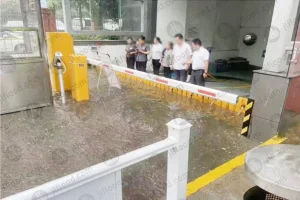
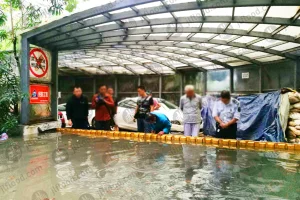
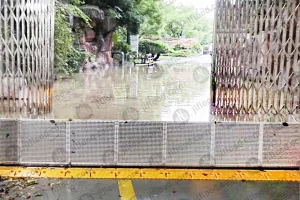
Automatic Hydrodynamic Flood Protection Barrier Luxembourg
Luxembourg Spec Automatic Hydrodynamic Flood Barrier
Technical Data & Quote
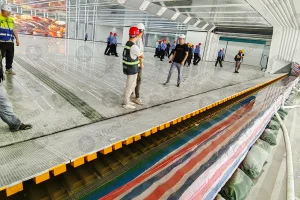
Modular Automatic Hydrodynamic Flood Gate Luxembourg
Modular Hydrodynamic Automatic Flood Gate System
Technical Data & Quote
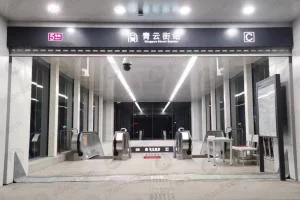
Power-Free Automatic Water Barrier Luxembourg
Power-Free Self-Rising Perimeter Water Barrier
Technical Data & Quote
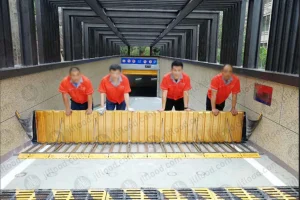
Unpowered Hydrostatic Flood Protection System Luxembourg
Unpowered Hydrostatic Self-Closing Flood Gate
Technical Data & Quote
Industry Whitepaper & Technical Intelligence

Luxembourg Hydrological Realities & The Shift to Passive Flood Protection

The Grand Duchy of Luxembourg represents one of Europe's most critical financial, logistics, and data infrastructure capitals. Positioned within the Alzette and Sauer river basins, urban centers such as Luxembourg City, Esch-sur-Alzette, and Echternach face increasing severe hydrological threats triggered by climate variability, torrential summer flash floods, and rapid surface runoff. Historical weather patterns—most notably the catastrophic July 2021 European floods—underscored that conventional sandbagging, manual damming, and electromechanical pumps frequently fail during acute urban inundations.

For facility directors, civil engineering consultants, and municipal authorities operating in Luxembourg, procurement of actual water-retaining flood barriers requires adherence to stringent European structural standards (EN 1990/EN 1991), low-carbon maintenance mandates, and continuous 24/7 operational readiness without human intervention.

0.1s
Passive Buoyancy Trigger
100%
Zero-Power Reliability
60t
Vehicle Load Capacity
25+
Years Service Lifecycle

Global & Regional Market Evolution: Hydrodynamic vs. Legacy Active Barrier Systems

The international flood defense industry has transitioned from manual barrier installation toward autonomous, passive self-rising technologies. Traditional active defenses—such as motorized vertical gates, inflatable bladders, or manual aluminum stop logs—introduce single points of failure. In extreme weather, electrical grid failures, sensor malfunctions, or transport delays due to gridlocked traffic can prevent manual deployment before water reaches critical underground structures.

In contrast, hydrodynamic automatic flood barriers leverage fluid mechanics and natural Archimedean buoyancy. As floodwaters fill a subterranean retention basin, hydraulic pressure activates a hinged door panel that rises proportionally to the water level. No human presence, battery backups, or external sensors are needed, providing a robust line of defense for critical infrastructure.

Zero Electricity Dependability

Operates continuously during municipal power outages, severe electrical grid disruptions, or storm-induced blackouts via pure mechanical hydrostatic pressure.

Flush Ground Invisibility

Installs completely flush with concrete access roads and driveways, permitting unimpeded heavy vehicular traffic (SLW 60 load classes) during dry operational conditions.

EPDM Dual-Lip Hermetic Seal

Engineered with marine-grade EPDM weather-resistant elastomeric seals, delivering near-zero leakage rates that meet DIN 19569-4 Leakage Class 4 requirements.

Grand Duchy Engineering Solutions

Targeted Deployment Scenarios Across Luxembourg’s Key Sectors

Specific architectural and civil environments within Luxembourg demand custom structural configurations, varying retaining heights, and tailored embedment frames. Below is an engineering matrix of deployment scenarios:

Kirchberg & Cloche d'Or Financial Hub Garages

Multi-level underground car parks housing high-value commercial assets require flush-mounted hydrodynamic barriers. Installed at ramp crests or base thresholds, these units protect multi-story subterranean parking from heavy surface runoff without restricting luxury or commercial vehicle clearance.

Tier IV Data Centers (Betzdorf & Contern)

Luxembourg hosts key European computing and cloud centers. Substation entryways, cooling plant basements, and cable trench vaults utilize self-closing water barriers to protect electrical distribution equipment from water ingress, avoiding costly downtime.

Luxtram & Urban Public Transport Depots

Tramway connection channels, light rail maintenance sheds, and underground pedestrian passages require low-profile, surface-type or semi-recessed flood gates that integrate cleanly with rail channels and municipal storm drainage systems.

Esch-Belval Industrial Parks & Chemical Plants

Industrial complexes near water bodies require heavy-duty stainless steel (316L) flood barriers capable of resisting hazardous fluid exposure while providing structural barrier heights up to 2,000 mm against river overflow.

Technical Engineering Matrix: Structural Comparison

Consulting specifiers and general contractors in Luxembourg can compare key design metrics across our barrier series to match project requirements:

Barrier Type Activation Trigger Structural Material Standard Heights Load Rating Ideal Luxembourg Application
Hydrodynamic Flush Barrier Passive Buoyancy / Hydrostatic AL 6063-T6 / Stainless Steel 304 500mm - 2000mm SLW 60 (60-Tonne Truck) Kirchberg Garages & Industrial Depots
Surface-Mounted Auto Barrier Buoyancy / Surface Flow Structural Aluminum Alloy 400mm - 1200mm SLW 30 (30-Tonne Axle) Retrofit Sites, Luxtram Entrances
Substation Enclosure Gate Self-Opening / Hydraulic Lock 316L Marine Stainless Steel 600mm - 1500mm Pedestrian / Service Vehicle Betzdorf Telecom & Substation Doors
Flip-Up Automatic Barrier Hydro-Mechanical Counterweight Reinforced Composite / AL 300mm - 900mm Light Vehicle / Foot Traffic Hospital Entrances & Residential Hubs
Manufacturing & Material Science

Engineering Architecture & Quality Assurance Standards

Our manufacturing plant enforces rigorous quality controls at every step of design, structural fabrication, and hydraulic seal testing. With advanced CNC laser cutting, robotic welding cells, and dedicated water tank testing facilities, every barrier unit dispatched to European markets meets high performance and durability benchmarks.

Technical Development Roadmap for European Infrastructure Protection

Phase 1: Precision Structural Modeling & Hydraulics Simulation
Finite Element Analysis (FEA) models structural deflection under maximum dynamic hydrodynamic heads, ensuring compliance with EN 1993 steel structure guidelines and Eurocode hydrostatic pressure limits.
Phase 2: Corrosion Protection & Material Processing
Extruded aluminum alloys receive a 25-micron anodic oxidation coating or fluorocarbon powder coating, resisting de-icing salts, road chemicals, and harsh seasonal frost common in Northern European winters.
Phase 3: Dual-Lip Sealing & Hydro-Lock Mechanism
Continuous vulcanized EPDM seals are combined with mechanical latching systems, ensuring a tight seal along both bottom and side channels when fully deployed.
Phase 4: Full-Scale Water Tank Verification
Before shipping, barrier assemblies undergo full-scale hydrostatic testing in our dedicated test basin, measuring dynamic lift speeds, seal integrity, and structural deflection under maximum hydrostatic head.

Require Custom Technical Specifications for a Luxembourg Project?

Our engineering team delivers civil drawings, BIM/CAD files, embedment frame templates, and detailed pricing proposals within 24 hours.

Send Inquiry Now
Complete Product Portfolio

Industrial & Commercial Flood Protection Systems

Explore our wide range of flood barrier solutions certified for commercial buildings, metro networks, electrical utilities, and underground parking facilities.
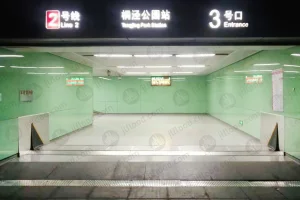
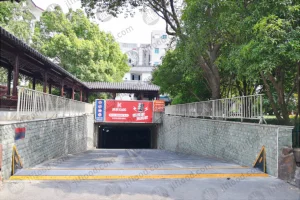
Metro Connection Channel Flood Barrier Luxembourg
Metro Connection Channel Flood Protection Barrier
Technical Data & Quote
Flip-up Flood Barrier for Garages Luxembourg
Heavy Duty Flip-Up Garage Access Flood Barrier
Technical Data & Quote
Modular Automatic Flood Gate Supplier Luxembourg
Modular Hydrodynamic Self-Rising Barrier Array
Technical Data & Quote
Self Opening and Closing Flood Gate Luxembourg
Self-Opening & Closing Hydrostatic Perimeter Barrier
Technical Data & Quote
Metro Station Protection Flood Barrier Luxembourg
Subterranean Metro Station Protection Flood Gate
Technical Data & Quote
Transit Infrastructure Flood Protection Barrier Luxembourg
Transit Infrastructure Hydrodynamic Flood Protection
Technical Data & Quote
Heavy Duty Hydrodynamic Automatic Flood Gate Luxembourg
Heavy Duty Automatic Flood Gate (Model HM4D-0006C)
Technical Data & Quote
Surface Type Automatic Flood Barrier Luxembourg
Surface-Type Retrofit Automatic Flood Gate System
Technical Data & Quote
Engineering Specifications & FAQ

Frequently Asked Questions for Luxembourg Engineers & Specifiers

Technical guidance covering civil installation, structural compliance, maintenance schedules, and international logistics.

How does a hydrodynamic flood barrier operate reliably in Luxembourg during zero-power conditions?
The barrier relies entirely on continuous hydrostatic pressure and buoyant displacement. As surface runoff flows into the recessed ground trench, water fills the inner flotation chamber. The buoyancy ratio lifts the hinged aluminum/steel barrier panel automatically. As the water level rises, the panel locks firmly into place, creating a watertight seal against the side frames. No electric power, manual labor, or sensor networks are involved.
Can the barriers accommodate heavy commercial vehicles, logistics trucks, and buses?
Yes. Our standard heavy-duty structural models are certified for SLW 60 load classes, capable of supporting axle loads up to 60 metric tonnes. When fully recessed, the top plate aligns flush with the asphalt or concrete road surface, allowing continuous transit of heavy commercial vehicles, emergency trucks, and daily traffic without structural deflection.
What structural standard certifications and water testing reports accompany factory shipments?
Every production batch undergoes structural calculation checks compliant with Eurocode standards (EN 1993/EN 1999). Additionally, completed assemblies undergo full-scale hydrostatic testing in our factory test pool. Shipments include factory acceptance test (FAT) reports, material mill test certificates (EN 10204 3.1), EPDM seal aging test logs, and third-party quality inspection video documentation.
What civil engineering prep work is required for recessed installation in Luxembourg?
Recessed installations require a concrete trench with embedded mounting channels, dynamic load-bearing rebar positioning, and a bottom gravity drain connected to the building's storm water collection system. We provide detailed CAD/BIM embedment drawings, step-by-step concrete pouring guidelines, and rebar reinforcement layout notes to simplify civil works for local contractors.
How are units packaged, exported, and serviced across European Union locations?
All barrier units are packed in ISPM 15-compliant wooden cases reinforced with internal steel frames. Delivery options to Luxembourg include door-to-door DAT/DDP shipping. We provide comprehensive English/French installation manuals, video commissioning guides, spare seal replacement kits, and remote engineering guidance throughout the installation phase.
Send Inquiry Now - Request Custom Quote & BIM Files
Request a Catalog