
High-reliability hydrodynamic barriers selected for critical grid intake portals, transformer yards, and control building access ways.
An empirical evaluation of climate-induced surface water inundation, low-lying coastal geology, and the cascading impact of load-shedding on stormwater control.
The Western Cape electricity distribution network, operated jointly by Eskom and the City of Cape Town Energy Directorate, faces unprecedented environmental stresses. The convergence of intense winter cold fronts and volatile "Cut-off Low" atmospheric systems routinely subjects the Cape Peninsula to high-intensity, short-duration storm bursts. In historic low-lying industrial corridors—including Paarden Eiland, Salt River, Bellville Industrial, Montague Gardens, and extensive nodes across the Cape Flats—stormwater drainage networks reach saturation within minutes. When urban catchment runoff coincides with astronomical spring tides and storm surges along Table Bay or False Bay, gravity-assisted discharge ceases, causing reverse hydraulic pressure and rapid surface pooling around high-voltage (HV) and medium-voltage (MV) electrical substations.
The compounding threat in the Cape Town context is structural power unreliability, commonly manifested via rotational load-shedding or localized equipment failures. Conventional flood protection devices that rely on electrical submersible pumps, motor-driven roller doors, or electro-mechanical lifting jacks fail precisely when electrical protection is needed most: during grid outages accompanied by severe rainfall. A flooded 132/11kV or 66/11kV substation not only destroys multimillion-rand switchgear, oil-immersed transformers, protection relays, and SCADA telemetry cabinets, but also triggers extensive feeder lockouts. Remediation requires weeks of dehumidification, insulation resistance testing, busbar drying, and SF6 gas insulated switchgear (GIS) re-certification, costing local industry and municipalities millions of Rands per hour in unserved energy.
Electrical active barriers fail during grid trips. Nanjing Junli's hydrodynamic technology leverages raw hydrostatic buoyancy—operating automatically without external sensors, PLC power, or manual labour during stage 6 load-shedding events.
Cape Town's aggressive south-easterly winds carry airborne sea salts across the urban flatlands. Our barriers are fabricated using 6061-T6 structural aluminum and 316L stainless steel hardware with micro-anodized coatings rated to withstand severe marine corrosion.
Substation service gateways must accommodate 40-tonne heavy utility transport rigs and mobile emergency oil tenders. Embedded barrier assemblies feature reinforced structural extrusions engineered for standard EN 124 Class D400 wheel-load ratings.
How Chinese precision manufacturing delivers structural certainty, automated hydrodynamic responsiveness, and audit-proof quality to international engineering firms.
Global multi-utility conglomerates and procurement directors operating in Southern Africa demand rigorous adherence to international engineering criteria. Procurement protocols for asset resilience frequently reference IEC 61936-1 (power installations exceeding 1 kV a.c.), FM Approvals 2510 (flood mitigation equipment), and BS EN 1999-1-1 (design of aluminum structures). Achieving strict water-tightness beneath fluctuating hydro-dynamic pressure heads requires tolerances far tighter than standard architectural metalwork can yield.
At Nanjing Junli Technology Co., Ltd., manufacturing is organized around Industry 4.0 principles across our Nanjing industrial complex. From robotic fiber-laser profile trimming to automated CNC multi-axis milling, every flood barrier casing and buoyant leaf is fabricated within sub-millimeter tolerances. By consolidating the extrusion, robotic inert-gas welding, custom co-vulcanized EPDM triple-fin seal production, and continuous hydrostatic test pools under one roof, our facility eliminates tier-2 subcontractor variance. The table below delineates key technical metrics validating Junli systems against legacy manual flood barriers and generic automated alternatives.
| Performance Specification | Junli Hydrodynamic Barrier | Motorized Mechanical Gate | Manual Modular Demountable Planks |
|---|---|---|---|
| Activation Trigger | Passive Hydrostatic Buoyancy (0.1s response) | Electrical Water Sensor + Actuator | Human Crew Deployment On-Site |
| Dependence on Mains / UPS | 0% - Zero Electricity Required | 100% Dependent (Requires Diesel Backup) | 0% (Manual Labour Dependent) |
| Deployment Time to Full Retaining | < 60 seconds (automatic as water rises) | 90 – 180 seconds | 2 to 4 hours (logistics + bolted assembly) |
| Load Rating (Vehicular Drive-Over) | Up to 400 kN (Class D400 Heavy Vehicle) | Varies (typically 120 - 250 kN) | Non-traversable (Installed across lane) |
| Leakage Rate (Tested Water Head) | ≤ 0.15 L/h per meter run (ISO certified pool) | ≤ 0.50 L/h per meter run | 1.5 – 5.0 L/h per meter run |
| Cape Town Salt-Air Life Expectancy | 25+ Years (Anodized 6061-T6 / 316L Stainless) | 10 – 15 Years (Electrical faults common) | 10 – 15 Years (Fastener degradation) |
This automated physical capability provides measurable risk reduction for consulting civil and electrical engineers preparing EPC tenders for the City of Cape Town or Eskom. When substations are unmanned—as is common with automated 33/11kV zone substations—Junli barriers guarantee instantaneous asset sealing without human dispatch, road traffic delays, or cellular network dependencies during meteorological crises.
Procuring engineering managers should never rely solely on CAD renderings. Review documented high-water survivability events and factory validation pools.
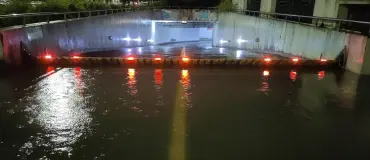
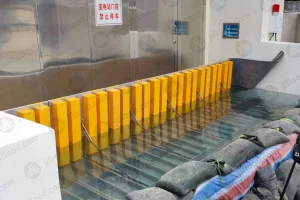
During catastrophic typhoons (including Bebinca), Junli installations across vulnerable municipal infrastructure maintained 100% barrier integrity with zero power and zero operator staff present on site.
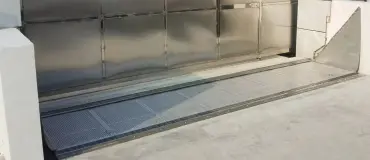
Every batch destined for critical power installations is subjected to 100% water depth testing in our automated testing chambers to certify lifting responsiveness, deflection coefficients, and boundary gasket compression.
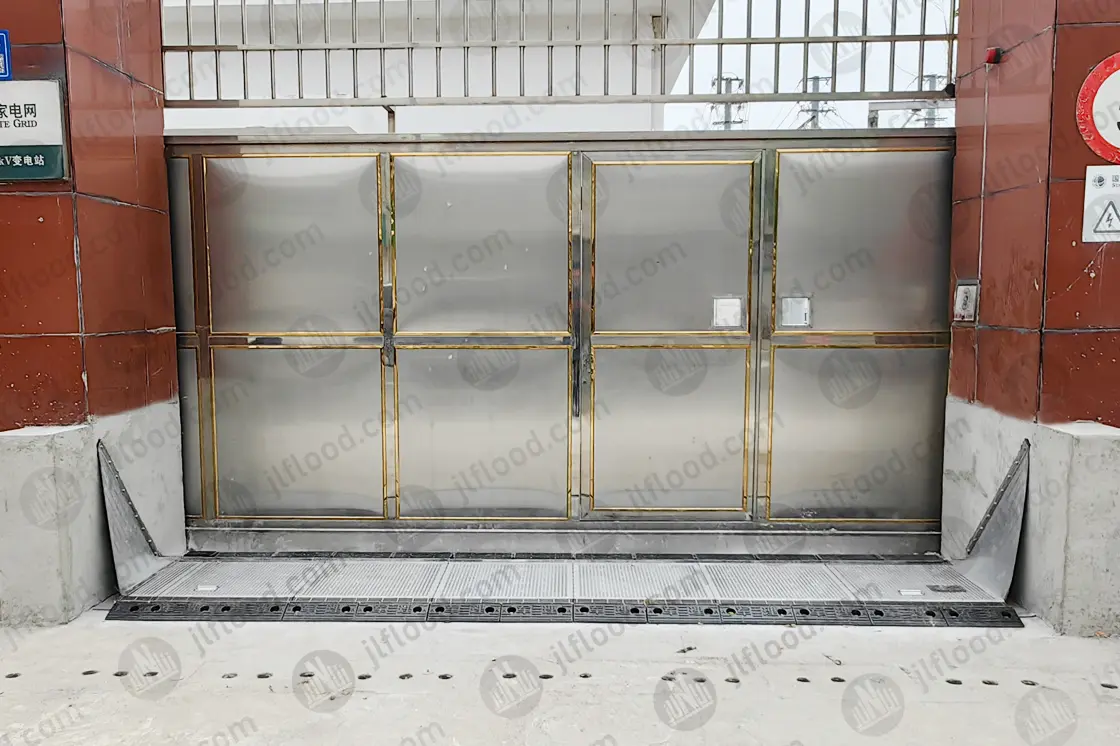
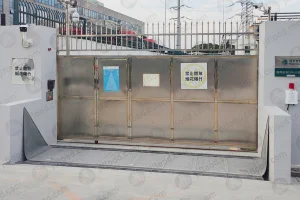
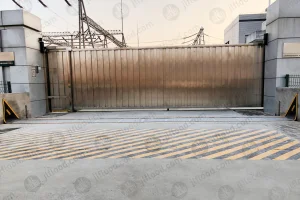
Direct deployment at regional grid transmission hubs. Flush ground embedment allows uninterrupted passage of daily inspection trucks, with immediate buoyant lifting during flash ingress events.
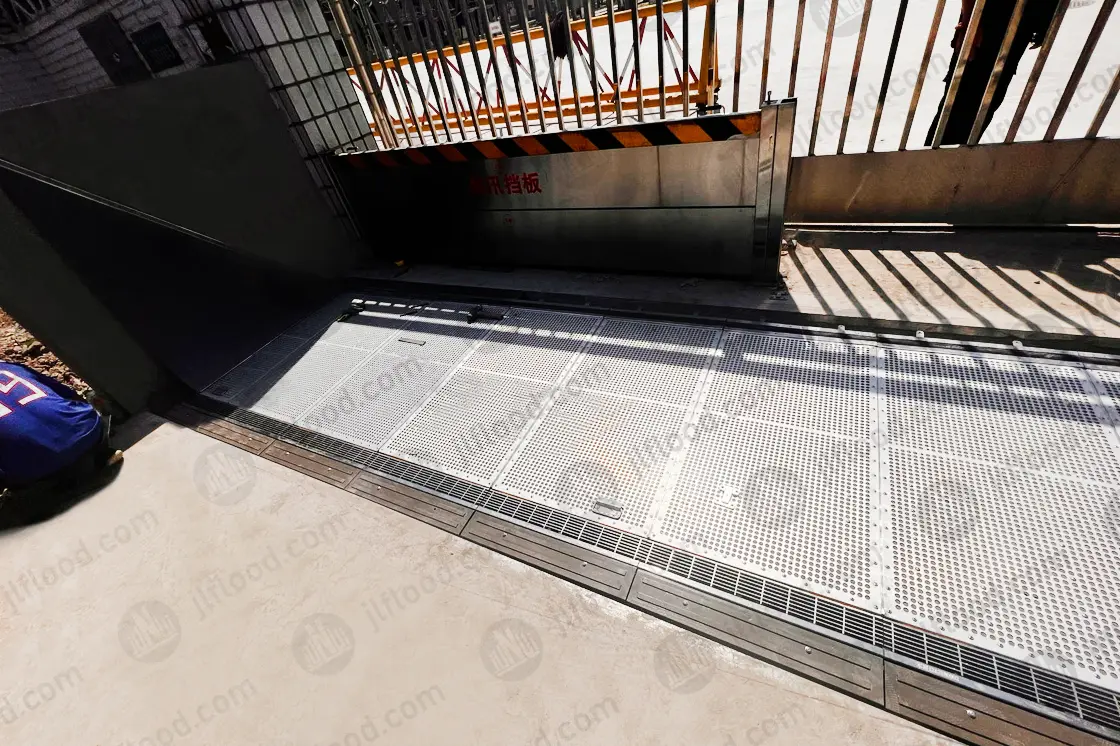
Retrofit engineered across live operating electrical assets without trench disruptions or circuit downtime, shielding step-down transformers and auxiliary control basements.
Transparent, factory-direct cost frameworks, structural dimensions, sea freight economics, and CapEx justification metrics for engineering buyers.
Acquiring custom engineered flood defence systems from China for installation in Cape Town offers unmatched CapEx efficiency compared to European or domestic bespoke fabrications. Junli operates on a transparent engineering quotation schedule governed by three primary variables: Clear Span Opening Width, Retaining Head Height (typically 0.6m, 0.9m, 1.2m, or 1.5m), and Axle Loading Requirements (Pedestrian/Light vs Heavy 40T Transformer Rig Class).
| Model Series | Standard Span (W × H) | Application Scenario | Indicative FOB China Unit Price (USD) | Port of Cape Town Landed Estimate (CIF) |
|---|---|---|---|---|
| JL-SUB-0600 (Compact) | 1.2m × 0.6m | Substation Personnel Doors, Cable Vault Entrances | $650 – $980 | $850 – $1,250 |
| JL-SUB-3500 (Driveway) | 3.5m × 0.9m | Medium Distribution Yard Vehicular Gates | $2,400 – $3,600 | $2,950 – $4,300 |
| JL-SUB-6000 (Heavy Industrial) | 6.0m × 1.2m | High-Voltage Intake Gateway (40T Axle Rated) | $5,200 – $7,800 | $6,100 – $8,900 |
| JL-MOD-MULTI (Continuous Span) | 12.0m+ × 1.5m | Main Perimeter Embankment & Retention Array | Custom Engineering RFQ | Project Specific Logistics Plan |
Logistics & Port of Cape Town Clearance: Shipments are packaged in IP56 export-grade fumigated steel-framed crating, departing Ningbo or Shanghai directly to the Port of Cape Town with typical sea transit durations of 22 to 28 days. Every unit arrives pre-assembled with precision embedded anchor templates, structural rebar integration drawings, and installation jigs to reduce local contractor civil works on site.
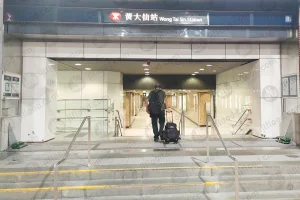
Complete OEM product line supporting municipal substations, transit tunnels, underground basements, and critical industrial corridors.
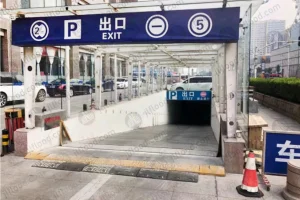
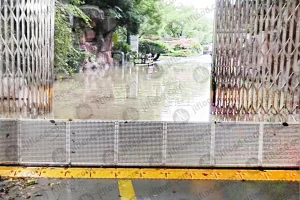
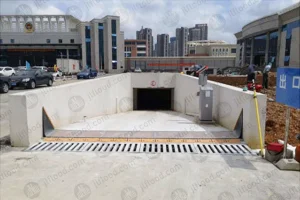
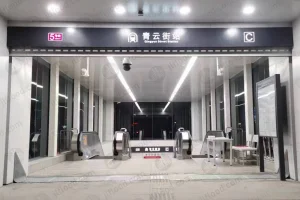
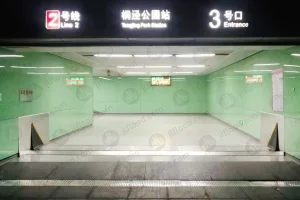
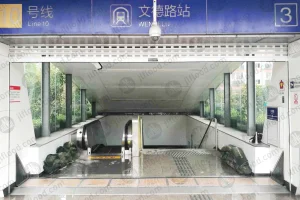
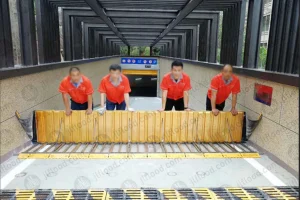
In-depth technical answers addressing civil integration, coastal longevity, regulatory standards, and electrical blackout resilience.
The Junli flood barrier utilizes hydrodynamic buoyancy principles. The barrier panel rests flush within a recessed bottom chamber. When floodwater reaches the entrance, water enters the foundation chamber via inlet grates, generating vertical hydrostatic buoyant lift. As water levels increase, the panel pivots upward automatically and locks into retaining position under hydraulic counter-pressure. There are zero motors, electrical sensors, or battery circuits required, guaranteeing 100% operation during municipal blackouts.
Units designed for the Western Cape coast employ marine-grade 6061-T6 structural aluminum alloys treated with thick anodic oxidation coatings (minimum 15 μm) and 316L stainless steel hinges, pivot shafts, and anchor bolts. Sealing relies on ultraviolet- and ozone-resistant co-vulcanized EPDM rubber gaskets capable of enduring coastal temperature swings, heavy ultraviolet solar exposure, and high chloride exposure without brittleness or hardening.
Yes. Junli manufactures substation gateway units reinforced to exceed EN 124 Class D400 load ratings (tested for concentrated wheel loads up to 400 kN). When the barrier is resting flat in its chamber, the top tread plate forms a reinforced, slip-resistant surface allowing routine access by mobile crane rigs, heavy oil insulation tankers, and municipal service trucks without panel deflection or mechanical misalignment.
For flush embedded models, a concrete trench with minimum C30/37 compressive strength is prepared according to Junli’s dimensional drawings. The embedment chamber includes integrated lateral drainage outlets connected to the local stormwater drainage system or sump pit to clear normal rainfall accumulation. For retrofit sites where ground excavation is restricted due to underground high-voltage cables, our surface-mounted flip-up barriers bolt directly onto existing cured concrete thresholds.
Every delivery includes full mill material test certificates (MTC 3.1), third-party hydrostatic pool leakage test reports, finite element analysis (FEA) structural calculation notes, civil embedment construction drawings, and comprehensive English operation and maintenance (O&M) manuals suitable for submission to municipal civil directors and insurance risk underwriters.
Provide your substation entrance dimensions, expected flood head, and site drawings. Our engineering team delivers a comprehensive layout proposal, structural calculation sheet, and CIF Cape Town quotation within 24 hours.


