


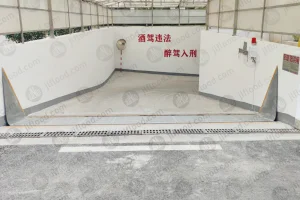

Proven hydrodynamic passive flood barriers engineered for residential, commercial, and industrial parking garage ramps across Auckland, Wellington, Christchurch, and regional New Zealand.
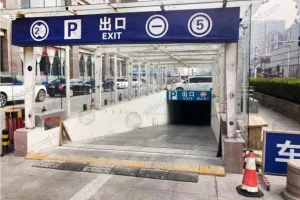
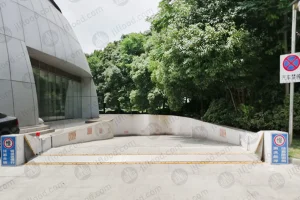
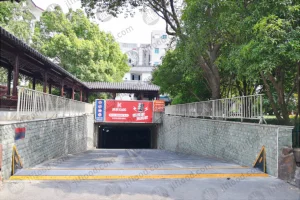
New Zealand is experiencing an unprecedented frequency of severe atmospheric moisture events, coastal storm surges, and intense flash flooding. The historic Auckland Anniversary weekend floods and Cyclone Gabrielle exposed severe vulnerabilities in urban stormwater management and subterranean building assets. Underground parking garages, commercial basements, and logistics hubs are systematically at risk of catastrophic water inundation within minutes of surface drainage surcharge.
For structural engineers, property developers, asset managers, and municipal planners in New Zealand, traditional flood defense mechanisms—such as manual sandbagging, modular aluminum stop logs requiring human deployment, or electric-motorized gates—are no longer considered acceptable primary risk-mitigation measures by insurance providers or building consent authorities.
Specifying flood barriers for new developments or retrofits in New Zealand demands strict adherence to local regulatory frameworks, including:
Eliminating human error and electrical failure through fluid dynamics and mechanical hydrostatic balancing.
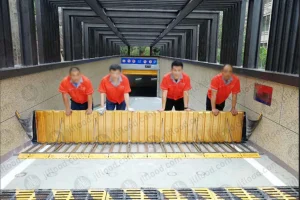
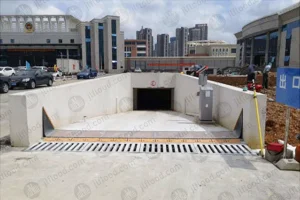
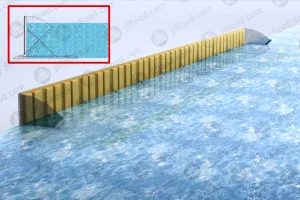
The flood door panel rests completely flush with the driveable surface inside a recessed ground frame. As floodwater flows down the driveway ramp, it enters the collection trench, filling the bottom chamber. The rising water level exerts hydrostatic buoyancy force, automatically lifting the panel to block the entrance.
Electrical pumps fail during blackouts, and electronic water level sensors are vulnerable to signal loss or short circuits. Junli’s passive flood gates operate purely on Archimedes' principle of displacement buoyancy. They deploy flawlessly even if the entire regional electrical grid goes offline.
As the retained water level increases outside the garage, the external water head pressure presses the panel tightly against dual EPDM elastomeric side gaskets. The higher the floodwater rises, the tighter the compression seal becomes, preventing catastrophic water ingress.
Once surface stormwater recedes and the trench drains naturally through integrated non-return drainage valves, the panel smoothly returns to its recessed horizontal rest position, restoring full vehicle access to the garage without manual reset crews.
New Zealand construction projects face tight deadlines, escalating material costs, and strict compliance scrutiny. Sourcing direct from Nanjing Junli Technology Co., Ltd. provides major civil infrastructure projects in Auckland, Wellington, and Christchurch with significant competitive advantages:
Our state-of-the-art manufacturing facility in Nanjing utilizes Finite Element Analysis (FEA) modeling to simulate dynamic hydrostatic loads, high-speed debris impacts, and heavy axle vehicle rollover stresses. Aluminum components are extruded from high-strength 6063-T6 marine-grade alloy, offering exceptional strength-to-weight ratios and immune performance against salt-air oxidation common in coastal New Zealand regions.
To reduce expensive on-site installation labor costs in New Zealand, every flood barrier array undergoes 100% factory pre-assembly and full-scale hydrostatic water tank testing before containerization. Sub-surface frame channels are manufactured with automated robotic laser welding, guaranteeing zero tolerance deviation and perfect alignment during civil pouring on site.
By eliminating middle-man trading markups, Junli supplies direct to New Zealand main contractors, hydraulic engineering consultants, and commercial property developers. We offer fully custom clear spans (from 2.0m single driveways up to 20m+ multi-leaf commercial arrays) and customized retaining heights (500mm to 2000mm) tailored to site-specific flood modeling.
| Performance Criterion | Junli Passive Hydrodynamic Barrier | Manual Aluminum Stop-Logs | Active Electro-Hydraulic Gates |
|---|---|---|---|
| Deployment Speed | Instantaneous (< 1 Second upon water inflow) | Slow (1-3 Hours manual assembly) | Moderate (30-60 Seconds) |
| Human Reliability Risk | Zero Risk (Fully Automatic) | High Risk (Requires staff on site) | Low Risk (If automated) |
| Blackout Operational Risk | 100% Operational (No Electricity) | 100% Operational (Manual labor) | High Failure Risk (Needs backup generator) |
| Traffic Driveability | Flush embedded mount (Up to D400 Heavy Load) | Surface obstacles during storage | Flush mount (Requires high maintenance) |
| Annual Maintenance Cost | Extremely Low (Simple visual & seal check) | Low (Storage space management) | High (Hydraulic fluid, motor service) |
Engineered for high-value risk zones across residential, commercial, and public assets.
High-density multi-level underground parking buildings situated in low-lying overland flow paths. Junli’s flush-mounted embedded barriers protect valuable vehicle fleets while seamlessly handling heavy daily vehicle entry traffic.
Exposed to severe tidal surges, wind-driven rain, and seismic forces. Built with marine-grade stainless steel 316 fittings and corrosion-resistant aluminum alloys to withstand harsh marine environments.
Low-gradient topography with high water tables. Sub-surface drainage and flood defense barriers prevent riverine flooding from invading underground service areas and electrical plant rooms.
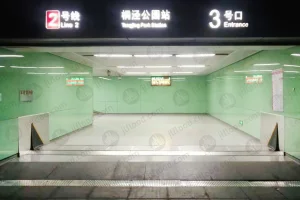
Protecting underground electrical substations, water treatment facilities, and public transport access shafts where unmitigated flooding causes city-wide civil disruption.
Explore our complete product portfolio designed for underground garages, metro stations, substations, and commercial assets.
Clear, engineering-backed answers to essential procurement, regulatory, and technical questions.
Contact our specialized technical engineering team today for custom sizing, CAD/BIM files, structural load data, and direct factory price quotes for your project.
Send Inquiry Now for NZ Quotation