



Explore our initial range of factory water-tested automatic self-closing flood gates customized for Dutch metropolitan, sub-sea level polder, and commercial entrance applications.
The Netherlands represents the worldwide pinnacle of hydrologic engineering and flood defence management. With over 26% of its land area situated below sea level (NAP - Normaal Amsterdams Peil) and more than 50% vulnerable to storm surges and high river discharges from the Rhine, Meuse, and Scheldt rivers, the Dutch nation operates under an uncompromising mandate for structural flood safety. Historically reliant on massive coastal dikes, storm surge barriers like the Delta Works, and extensive polder pump systems managed by Regional Water Authorities (Waterschappen), modern climate shifts have introduced severe localized vulnerabilities.
In recent years, the frequency of high-intensity cloudbursts (hemelwateroverlast) across major urban agglomerations such as the Randstad—encompassing Amsterdam, Rotterdam, The Hague, and Utrecht—has shifted the flood protection paradigm. Urban flash flooding, surface water accumulation, and rising sea levels present immediate operational threats to underground parking facilities, metropolitan transit lines (GVB, RET, HTM), electrical distribution substations (TenneT, Stedin, Liander), and subterranean commercial assets. When heavy rainfall coincides with high water levels in urban canals and river channels, municipal drainage grids become overwhelmed instantly.
Traditional demountable flood barriers or manually deployed sandbags fail to deliver the speed, reliability, and automated responsiveness demanded by Dutch engineering consultants and civil EPC contractors. Modern urban architecture requires unattended, zero-power, hydrodynamic passive automatic flood gates that remain entirely invisible flush with ground level during normal conditions, but deploy instantly within seconds of incoming water ingress. As an established global wholesale flood barrier water testing manufacturer, Nanjing Junli Technology delivers certified hydrodynamic barrier systems engineered specifically to satisfy the stringent hydraulic, structural, and environmental standards of the Dutch market.
Engineered to withstand prolonged hydrostatic head pressures encountered in low-lying Dutch polders and subterranean basements subject to continuous groundwater intrusion.
Activated purely by hydraulic buoyancy and water pressure. Operates seamlessly during extreme severe weather grid blackouts without human intervention.
Every unit undergoes rigorous physical water retention testing in custom-built hydraulic pools, measuring deflection and zero-leakage threshold prior to export dispatch.
The core technological advantage of Nanjing Junli's automatic flood barriers lies in their hydrodynamic passive activation mechanism. Unlike electrical, pneumatic, or manual barriers that suffer from relay failures, power cutoffs, motor burnouts, or human absence during overnight rainstorms, our barriers utilize the physical dynamics of water itself to drive panel deployment.
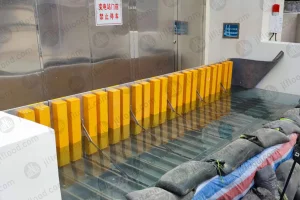
In European and Dutch civil procurement, specification managers and insurance underwriters demand verifiable proof of performance over theoretical CAD models. Junli operates dedicated full-scale hydraulic testing facilities equipped with deep water retention testing pools. Every custom production batch undergo thorough water validation procedures:
| Test Parameter | Testing Protocol / Method | Dutch / EN Standard Alignment | Acceptance Threshold |
|---|---|---|---|
| Hydrostatic Pressure Hold | Continuous 24-hour full-depth head water pressure retention in test pool | EN 13564 / NEN-EN 12056 | Zero structural deformation; zero seal breach under max design head |
| Dynamic Buoyancy Trigger Speed | Rapid water inflow injection simulation into foundation trench | Dutch Rijkswaterstaat Guidelines | Self-rising deployment completed within < 0.5 to 3 seconds of water contact |
| EPDM Seal Leakage Rate | Precision volumetric collection under continuous 1.5m - 2.0m water head | ISO 2230 / DIN 19569-4 | Leakage rate < 0.05 L/min per linear meter (exceeds European baseline) |
| Structural Load Deflection | Mechanical press simulation + maximum water column loading | Eurocode 3 (EN 1993) Structural Steel | Deflection ratio < L/500 under 200% overpressure testing rating |
Nanjing Junli Technology Co., Ltd. combines advanced Chinese industrial supply chain advantages with rigorous European engineering standards, delivering unprecedented cost efficiency, rapid customization, and mass volume production capacity.
Headquartered in Jiangsu's advanced manufacturing corridor, Junli controls in-house laser cutting, automated robotic welding, specialized vulcanized EPDM seal compounding, and electro-galvanizing lines. This vertical integration reduces manufacturing lead times by 40% compared to European fabricators.
Every Dutch civil project possesses unique threshold geometries, curb levels, and load requirements. Our in-house engineering squad provides full BIM/CAD parametric modeling, tailored frame embedment drawings, and localized drainage interface calculation within 48 hours of project consultation.
By sourcing directly from our state-of-the-art Nanjing manufacturing plant, European EPCs, municipal buyers, and distributors eliminate intermediary markup, achieving 30% to 50% capital cost reductions without compromising structural integrity or test certification.
Dutch urban resilience requires versatile flood defence solutions capable of seamless integration into both historical urban centers and high-density modern developments. Nanjing Junli flood barriers are engineered for direct compliance with localized installation environments:
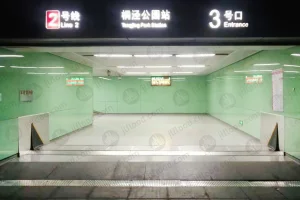
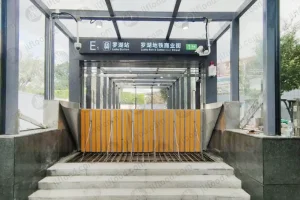
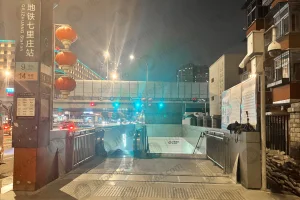
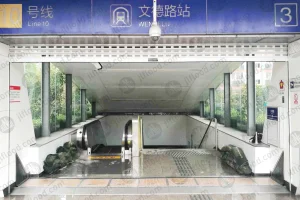
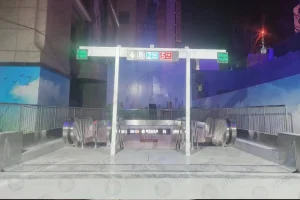
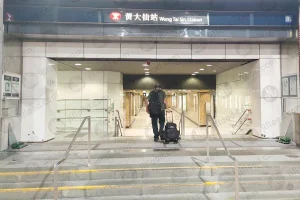
Metropolitan subway entrances in cities like Amsterdam and Rotterdam represent primary conduits for catastrophic floodwater entry. Embedded hydrodynamic barriers remain flush with sidewalk paving, allowing unimpeded pedestrian flow during daily commutes. Upon water entry, the panel lifts automatically, sealing the station portals up to 2.0 meters retaining height.
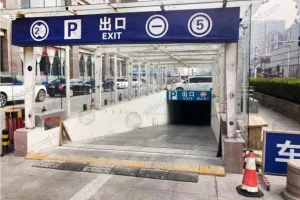
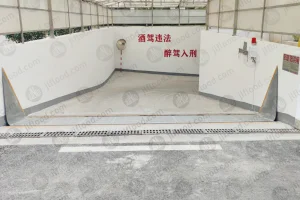
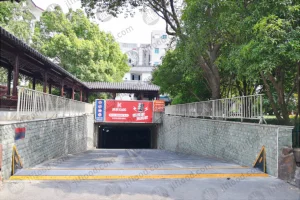
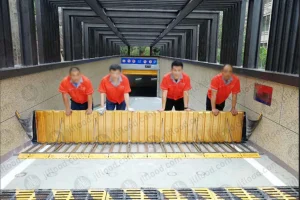
Commercial parking ramps in low-lying Randstad urban districts are exceptionally prone to sudden rainwater run-off. Junli surface-mounted and embedded flip-up gates withstand heavy vehicle axles up to 40 tons, deploying automatically when ramp drainage channels overflow to protect parked vehicles and basement electrical infrastructure.
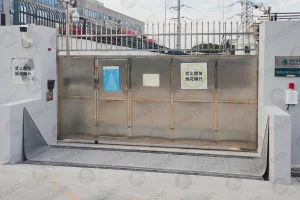
Substation flooding can trigger cascading power outages affecting hospitals, emergency services, and water pumping stations. Our substation gate barriers provide continuous perimeter and doorway sealing against flood ingress, securing critical transformers and high-voltage gear with zero dependence on electrical power.
Used by regional water authorities (Waterschappen) for protecting administrative buildings, control rooms, and auxiliary sluice entrances along polder canals, ensuring pump operators retain operational integrity during peak storm surge events.
As extreme weather events become increasingly unpredicted worldwide, global engineering firms, municipal procurement authorities, and risk insurers have radically upgraded their technical procurement specifications for flood mitigation assets. Buying decisions are no longer governed solely by upfront purchase price; tenders demand verified compliance with structural, hydraulic, and operational longevity parameters.
Nanjing Junli Technology provides end-to-end OEM manufacturing services for European flood control distributors, engineering agencies, and trade partners. We offer white-label production, tailored dimensional scaling (spanning widths up to 6m per single leaf or continuous modular arrays exceeding 30m), customized branding, sea-freight reinforced export packaging, and rapid air-dispatch replacement parts.
Browse our complete series of water-tested automatic flood barriers, heavy-duty gates, substation barriers, and metro protection systems available for global wholesale export.
Direct answers to critical technical, civil engineering, water testing, and international shipping queries for buyers in the Netherlands and European markets.
Submit your project entrance dimensions, required retaining height, or site civil drawings. Our senior hydrodynamic engineering team will formulate a customized flood protection solution and formal quotation within 24 hours.