Explore our field-proven hydrodynamic and modular aluminum flood barrier systems engineered for extreme weather resilience and zero-latency activation.
An in-depth structural analysis of hydrodynamic passive safety systems, material metallurgy, and future-ready smart city integration.
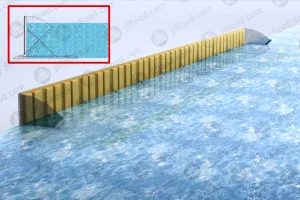
Unlike legacy manual stoplogs or power-dependent electric flood gates, our hydrodynamic automatic flood barrier utilizes ambient hydrodynamic pressure. As floodwaters breach initial threshold limits, water enters the recessed bottom foundation chamber, creating hydro-buoyancy beneath the internal hollow-core aluminum panel. The panel automatically elevates, creating an unyielding wall against oncoming flash floods with zero grid dependency.
Aluminum extrusions utilized in our barriers undergo T6 solution heat treatment and artificial aging, delivering a yield strength exceeding 240 MPa. Surface finishes are fortified via 15-25µm architectural anodization or fluorocarbon (PVDF) electrostatic powder coating, guaranteeing 25+ years of resistance against coastal salt spray, industrial urban smog, and chemical de-icing agents.
Watertight integrity is achieved through continuous vulcanized EPDM (Ethylene Propylene Diene Monomer) rubber gaskets integrated along side channels and baseline interfaces. Hydrostatic force compresses the seal elastomeric matrix against structural abutments, achieving near-zero seepage rates (< 0.05 L/hr/m) compliant with internationally recognized hydrologic containment standards.
Technical Roadmap Insight: Future iterations of Junli's aluminum flood barrier system incorporate passive NB-IoT hydrostatic pressure sensors and magnetic reed switches, feeding real-time panel angle and water head level data into Municipal SCADA networks without requiring external AC power supplies.
Tailored structural configurations designed to mitigate high-risk urban flood zones based on hydrostatic head requirements and traffic load ratings.
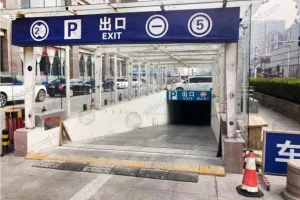
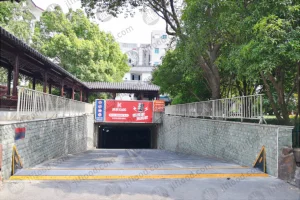
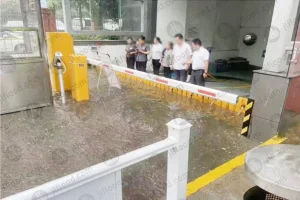
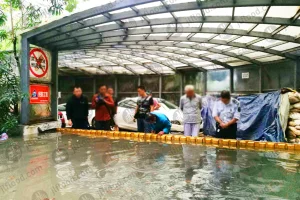
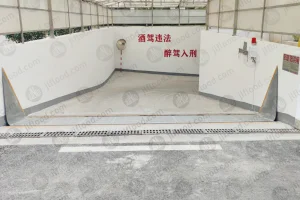
Heavy vehicular traffic requires bottom embedded frames capable of supporting heavy axle loads (up to 40-60 Tons / AASHTO HS20 loading). Our flush surface-mounted and embedded-frame garage barriers lie flat during normal transit, allowing smooth vehicle passage without damaging tire treads, and self-erect in under 1 second when surface runoff floods the ramp driveway.
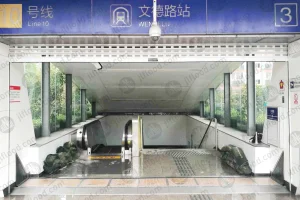
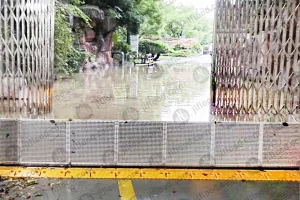
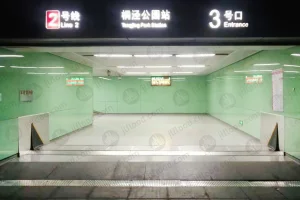
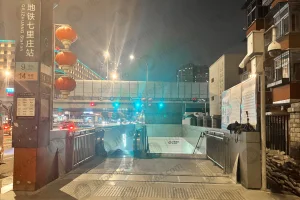
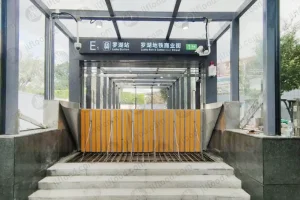
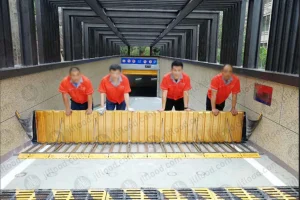
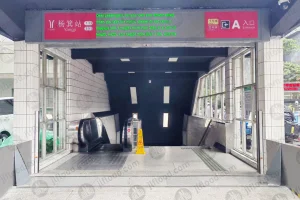
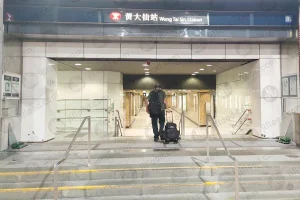
Subway portals and connecting underground passages are prone to catastrophic inundation during typhoons. Junli modular metro flood barriers feature rapid deployability, modular extension leaves for wide entrances (> 20 meters), and sleek architectural finishes that blend into modern transit hubs while exceeding strict transit authority safety guidelines.
Unplanned power grid outages during urban floods devastate emergency response infrastructure. Our non-conductive, corrosion-proof aluminum barrier walls and perimeter cable-trench barriers isolate transformers, switchgear rooms, and distribution centers from surface water intrusion, preserving electrical grid stability.
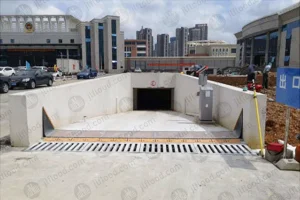
Protecting underground municipal assets, hospitals, data centers, and airport perimeter access tunnels requires high flood height ratings (up to 2.0m retaining height). Our heavy-duty models undergo Finite Element Analysis (FEA) to ensure structural safety factors > 2.5 under maximum hydrodynamic impact conditions.
| Performance Characteristic | Hydrodynamic Self-Closing Model | Flip-Up Automatic Model | Manual Demountable Stoplog Model |
|---|---|---|---|
| Primary Alloy Material | 6063-T6 / 6005A-T6 Anodized Aluminum | 6063-T6 Structural Aluminum Alloy | Extruded Aluminum Hollow Profile |
| Activation Mechanism | Passive Hydro-Buoyancy (No Power Needed) | Electric Hydraulic / Water Buoyancy Dual Driven | Manual Placement (Human Required) |
| Response Latency | < 0.1 Second Passive Activation | 15 – 30 Seconds Automated Motor Activation | 15 – 45 Minutes Manual Assembly |
| Max Standard Retaining Height | Up to 2,000 mm per module | Up to 1,500 mm per section | Up to 3,000 mm stacked height |
| Axle Load Resistance | 30 – 60 Tons (Heavy Transit Duty) | 15 – 30 Tons (Standard Commercial Load) | Non-trafficable (Entrance Threshold Only) |
| EPDM Seal Compression Life | > 15 Years (UV & Ozone Resistant) | > 12 Years (Industrial Grade) | > 10 Years (Manual Compression) |
Vertical manufacturing integration, advanced CNC extrusions, and rigorous hydraulic testing protocols that drive global supply chain efficiency.
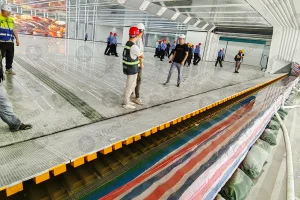
Headquartered in Qinhuai District, Nanjing, Nanjing Junli Technology Co., Ltd. operates state-of-the-art aluminum extrusion, robotic welding, and automated assembly lines. Our factory houses a dedicated full-scale hydraulic testing pool where every engineered flood gate design undergoes simulated hydrostatic head and dynamic wave load testing prior to international shipment.
How Junli assists international contractors, MEP engineers, and architectural consultants from RFQ to site commissioning.
We provide global design firms with native Revit BIM families, AutoCAD detail sections, and structural embedment templates to ensure seamless architectural integration into building foundation blueprints.
Manufactured under ISO 9001:2015 Quality Management and ISO 14001:2015 Environmental Management Systems. Factory acceptance tests (FAT) can be witnessed via live video or third-party inspection agencies (SGS, TUV, BV).
Custom heavy-duty wooden crate packaging, container loading optimization, and comprehensive English installation manuals ensure smooth site deployment across North America, Europe, SE Asia, and the Middle East.
Direct answers regarding physics, power independence, custom design, water testing, and installation maintenance.
The hydrodynamic system relies on pure hydro-mechanics: Archimedes' buoyancy principle and hydrostatic pressure. The flood panel rests flush inside a floor-recessed foundation frame during dry conditions. When floodwater reaches the intake trench, water flows into the chamber beneath the hollow-core aluminum panel. The buoyant force pushes the panel upwards, rotating on stainless steel hinges until it locks firmly into a vertical retaining position. The higher the external water head rises, the tighter the hydrostatic force compresses the EPDM rubber seals.
Our standard hydrodynamic barrier leaf height ranges from 500 mm to 2,000 mm (0.5m to 2.0m). Single modular spans reach up to 6.0 meters. For wider spans such as multi-lane garage ramps or 30-meter wide station plazas, we utilize modular intermediate support posts or multi-leaf synchronized arrays that provide continuous flood protection across unlimited opening widths.
Yes. Every production run undergoes rigorous pre-shipment quality control. Selected units are mounted in our factory hydraulic testing tank, subjected to full design water depth, and measured for deflection, seal leakage rate, and deployment latency. Official factory testing reports, material mill certificates, and HD video documentation are provided with each export shipment.
Because there are no electric motors, hydraulic pumps, or complex electronic control boards, maintenance is exceptionally minimal. We recommend quarterly visual inspections of the foundation trench to clean out accumulated silt, leaf debris, or trash, along with an annual lubrication of the stainless steel hinge pivots and inspection of the EPDM rubber seals. Replacement seal kits are standard inventory items shipped worldwide.
Barriers are packaged in export-grade, fumigated wooden cases with protective corner film. We supply complete civil engineering packages including 3D installation diagrams, concrete embedment templates, rebar placement schedules, and remote technical support from our lead structural engineers. On-site technical engineer dispatch can also be arranged for major infrastructure projects.
Explore our complete range of surface-mounted, embedded, flip-up, and self-closing flood gates engineered for diverse structural environments.