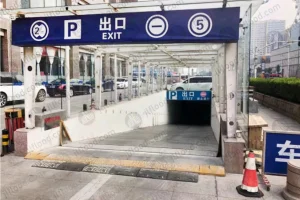
Proven hydro-mechanical barrier configurations designed for rapid subway ingress mitigation, zero-energy hydrodynamic flip-up activations, and substation civil safety.
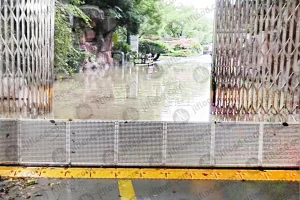
China Automatic Flood Barrier without electric power Pricelist, Quotes
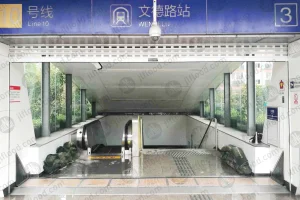
China Surface type Automatic flood barrier for Metro Suppliers, Pricelist
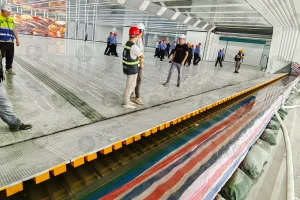
China Self opening & Closing Flood Gate Manufacturers, Suppliers
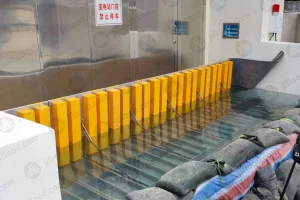
China Flood Barrier at Substation Gate Manufacturer, Supplier
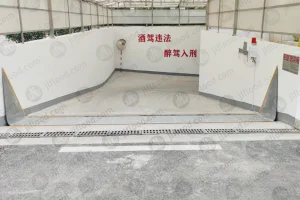
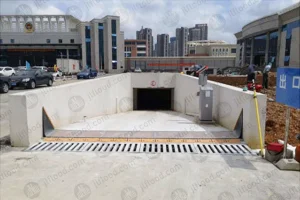
Wholesale Self closing flood barrier Hm4d-0006D Suppliers, Pricelist
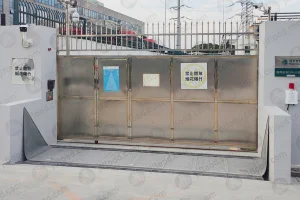
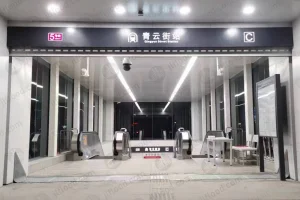
Wholesale Flood Gate at Metro Stations Manufacturer, Suppliers
When extreme weather hits municipal hubs, standard grid networks, auxiliary backup generators, and edge sensors face systematic failure. Unpowered hydrodynamic doors eliminate human risk through physics-based fail-safe mechanisms.
The system leverages an embedded base catchment trench. As floodwaters breach critical thresholds, water enters the hydrodynamic chamber, directly mobilizing an engineered air buoyancy panel. Rising surface water physically lifts the leaf within 0.1 to 0.5 seconds without electrical conduits, solenoids, or manual activation.
Utilizing high-tensile EPDM extruded gaskets and stainless steel compression hinges, the door utilizes natural floodwater pressure to heighten seal compression against the embedded structural frame, lowering overall seepage to well under international baseline standards.
Engineered with 6061-T6 aviation-grade aluminum extrusions and structural steel sub-reinforcements, the top plate withstands 30 to 45 tons of rolling vehicular load, allowing seamless daily operations over subway access ramps, fire service roads, and concourse plazas.
Subway network flooding presents systemic catastrophic risks: human entrapment, electrical short circuits, and sub-surface tunnel washouts. Our turnkey engineering targets critical water ingress channels across the entire transit network.
Surface-level flash inundation creates immediate waterfall effects down station stairs. Our embedded automatic flap gates lay completely flush with pavement surfaces, guaranteeing ADA accessibility during fair weather, while raising impenetrable barriers dynamically as torrents pool.
Modern transit nodes connect directly to commercial shopping centers and basement retail. Modular multi-leaf configurations span widths exceeding 20 meters, isolating private commercial flooding from paralyzing public transit arteries.
Traction power substations located beneath street level supply vital multi-kilometer rail sectors. Special flip-up and watertight hermetic bulkheads safeguard high-voltage electrical vaults against catastrophic transformer submersion and subsequent city-wide outages.
Low-lying air intake shafts and underground electrical cable chases are frequently overlooked avenues for surface runoff. Custom-engineered vertical self-closing bulkheads secure these bypass routes against hydraulic backflow.
Operating from world-class manufacturing bases in Jiangsu, we combine automated laser profiling, robotic welding, and automated surface treatment to deliver civil transit solutions with predictable timelines and cost efficiency.
Fabricated using computerized 10,000-watt laser-cutting gantries and automated robotic MIG/TIG welding arrays. Our tolerances for embedded frame flatness and hinging alignment remain strictly within ±0.5mm across a 6-meter span.
Every transit specification is physically pre-assembled and submerged in our dedicated dynamic test basin before packaging. Real-world continuous retention trials certify water leakage rates, hydraulic lifting velocity, and structural deflection under maximum head pressure.
Direct supply-chain vertical integration across domestic smelting hubs guarantees traceable, certified 6061-T6 aluminum alloys and 304/316 marine-grade stainless steels. This structural isolation guarantees uncompromised deliveries during peak global transit buildout phases.
Navigating municipal infrastructure bids requires strict cross-border regulatory compliance. We provide complete tender dossiers, localized structural calculations, and seamless engineering integration.
We deliver comprehensive technical dossiers designed for civil consulting engineers, including full AutoCad/Revit BIM models, embedded concrete recess drawings, rebar clearance schematics, and structural weight load distributions.
Engineered to comply with stringent global building benchmarks, including EN 12101, FEMA P-936 (Floodproofing Non-Residential Structures), and British Standards BS 851188 for temporary and permanent flood mitigation equipment.
From embedded sleeve installation checks to remote high-definition streaming commissioning, our technical teams provide full installation oversight, step-by-step English operations manuals, and field engineer deployments for global transit authorities.
The convergence of climate uncertainty and digital city architecture demands responsive, self-aware flood defense assets integrated into smart municipal supervisory control systems.
While mechanical buoyancy guarantees zero-power physical defense, integrated solar-charged NB-IoT and 5G sensor clusters transmit real-time barrier angle metrics, water depth curves, and seal degradation status directly to centralized Metro Operation Control Centers (OCC).
By pairing local surface pressure transducers with city-wide meteorological radar forecasts, hydraulic gate retention dynamics can be pre-latched or monitored via digital-twin consoles before precipitation surges reach critical ground levels.
Ongoing material R&D incorporates nano-reinforced cross-linked vulcanized elastomers, maintaining high elastic restitution and ozone tolerance through decades of ultraviolet exposure, vehicle salt de-icing cycles, and harsh urban chemical washings.
Get answers to critical technical, civil interface, and international logistics questions regarding automatic subway flood gates.
Explore our full line of specialized flip-up automatic flood systems, embedded perimeter barricades, and heavy hydrodynamic flood protection barriers.
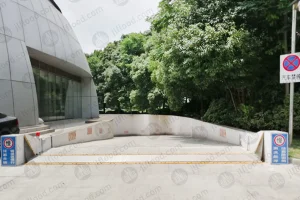
Wholesale Automatic flood barrier, Embedded installation Manufacturer, Suppliers

China Flood Barrier at Dalian Metro Stations Manufacturers, Quotes
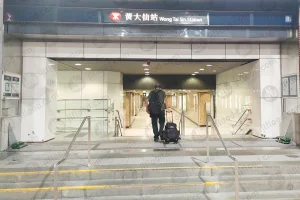
Wholesale Flip-Up Automatic Flood Barrier Manufacturer, Manufacturers
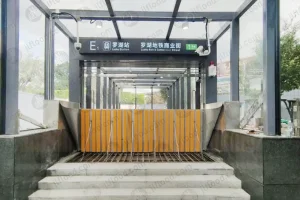
Wholesale Flood Barrier at Metro Stations Manufacturer, Quotes
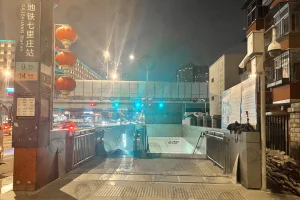
Wholesale Embedded type Automatic flood barrier for Metro Manufacturer, Suppliers
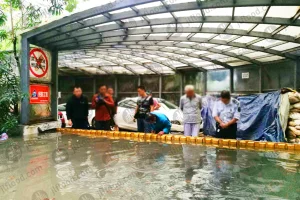
Wholesale Modular hydrodynamic automatic flood gate Supplier, Factories
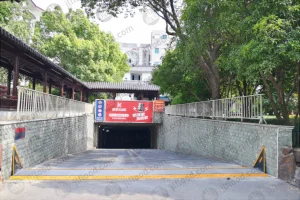
Wholesale Flip-up flood barrier for garages Manufacturer, Factory