High-performance passive flood protection systems designed for critical municipal, commercial, and subway infrastructure.
Analyzing global climate shifts, urban waterlogging dynamics, and the operational shift toward power-free hydrodynamic automatic barrier systems.
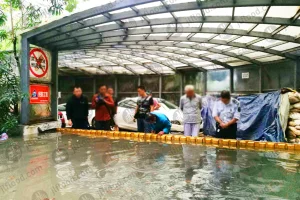
Accelerating global climate change has drastically intensified the frequency and volume of extreme precipitation events worldwide. Rapid urbanization has created dense concrete landscapes with high impervious surface ratios, overloading municipal storm drainage grids. As a result, critical subterranean infrastructure—including mass rapid transit (MRT) networks, high-voltage electrical substations, commercial underground parking complexes, and civil defense tunnels—faces catastrophic flooding risks.
Historically, municipal facilities relied on manual flood mitigation measures such as sandbags, demountable aluminum stoplogs, or electrically powered motorized sluice gates. However, real-world flood disasters continuously highlight the critical vulnerabilities of these legacy systems:
Manual sandbags and stoplog systems require advance warning, physically demanding labor, and logistics mobilization. In flash flood scenarios, personnel often cannot reach the site in time.
Motorized gates rely on active electrical power, sensors, and PLCs. Severe rainstorms regularly trigger localized grid outages, rendering active electronic gates completely inert right when floods strike.
Active mechanical gates demand constant electrical standby, annual motor servicing, and routine human inspections, significantly driving up total cost of ownership (TCO).
To overcome these failure points, leading international civil engineering firms and emergency management agencies are standardizing on Hydrodynamic Automatic Self-Rising Flood Protection Barriers. Engineered using pure fluid dynamics and hydrostatic force principles, these passive gate architectures require zero electricity, zero human intervention, and zero digital sensor signals to deploy. China has emerged as the global manufacturing hub for these advanced systems, combining advanced metallurgical precision with industrial-scale cost efficiency.
Why Tier-1 global EPC contractors, government agencies, and commercial developers procure flood protection systems directly from Chinese industrial centers.
China's dominance in structural flood control manufacturing stems from an integrated industrial supply chain concentrated in regions such as Jiangsu and Zhejiang. Chinese factories combine high-capacity aluminum alloy extrusion, specialized elastomeric seal compounding, robotic welding, and full-scale hydraulic stress testing under unified Quality Assurance (QA) protocols.
Barriers utilize high-strength 6063-T6 aircraft-grade extruded aluminum alloys or 304/316 grade stainless steel. Extrusions are optimized via Finite Element Analysis (FEA) to endure severe hydrodynamic impact and hydrostatic loads.
Integrates aging-resistant EPDM rubber gaskets manufactured to specific Shore A hardness levels. Gaskets maintain elastic memory across continuous temperature ranges (-40°C to +120°C) with negligible degradation.
Custom structural spans, customized embedded foundation frame depths, and tailored surface load specs (from 5-ton light commercial to 60-ton heavy logistics transport) are seamlessly integrated into standard manufacturing flows.
Every single hydrodynamic gate batch undergoes 1:1 scale hydraulic basin submergence testing. Leakage rates are certified well below strict ISO and international civil engineering standards (less than 0.2 L/h per meter of seal).
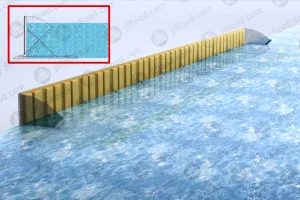
Unlike simple floating pontoon doors, Chinese high-end automatic barriers utilize dual-chamber hydro-balance channels. When water breaches the threshold, initial inflow enters a lower distribution trench, initiating dynamic buoyancy on the internal panel base. As water height rises, hydrostatic lateral pressure forces the primary seal against stainless-steel frame jambs, creating a tighter seal as flood severity increases.
Detailed architectural inspection of low-maintenance passive automatic flood barrier components and operational sequences.
Understanding the internal structure of a modular hydrodynamic flood gate is vital for municipal planners and structural engineers specifying flood defenses for long-lifecycle projects.
| System Component | Material Composition | Primary Engineering Function | Key Performance Indicator |
|---|---|---|---|
| Recessed Ground Basin | 304/316 Stainless Steel or Hot-Dip Galvanized Structural Steel | Encases the barrier assembly flush with the roadway surface during dry conditions; acts as the primary fluid accumulation chamber. | Load-bearing structural capacity up to 400 kN; anti-corrosion coating > 150 microns. |
| Self-Rising Water Panel | Extruded High-Density 6063-T6 Aviation Aluminum Profile | Pivots smoothly upward via natural fluid displacement. Forms the front line dynamic hydrostatic retaining wall. | Tensile strength ≥ 205 MPa; structural deflection ratio < L/250 under maximum water head. |
| Hydro-Dynamic Hinge System | Self-Lubricating Duplex Stainless Steel (UNS S31803) Joints | Provides continuous rotation axis while preventing sediment blockage or physical lock-up during non-deployment years. | Zero-maintenance mechanical rotation rating > 10,000 deployment cycles. |
| Dual-Lip EPDM Perimeter Seals | High-Grade Vulcanized EPDM Polymer with PTFE Friction Coating | Creates tight hydrostatic seals against side jambs and bottom basin floor during full panel elevation. | Sealing integrity rated to IP68; compression set < 15% after 5,000 compression cycles. |
| Automatic Safety Reset Lock | Hydraulic Retardation Shock Dampers & Mechanical Latches | Controls the panel elevation speed to prevent rapid snapping; secures panel upright under wave surges. | Regulated deployment velocity (0.1 to 0.3 m/s); dampens dynamic wave impacts. |
Deploying specialized flood barrier configurations tailored to site geometry, structural load limits, and hydro-meteorological risks.
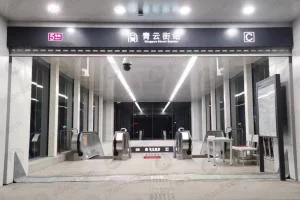
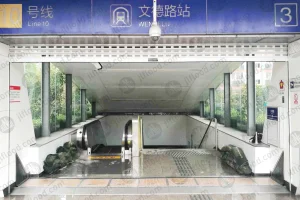
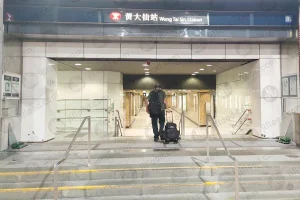
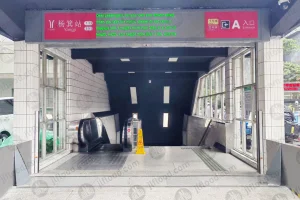
Metro entrance portals, emergency pedestrian egresses, and underground vent shafts are prone to rapid water ingress. Flush-mounted hydrodynamic gates activate automatically when water overtops the station plaza, shielding underground rail assets from catastrophic flooding.
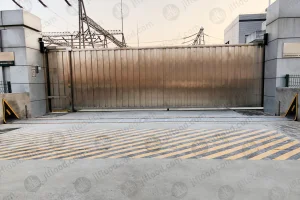
Electrical substations and data facilities house mission-critical equipment. Water ingress causes severe short circuits and region-wide power outages. High-wall surface or embedded flood barriers isolate perimeter gates, cable trenches, and transformer vaults without human intervention.
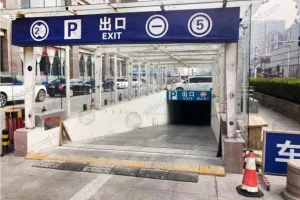
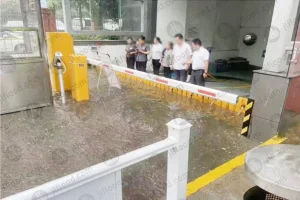
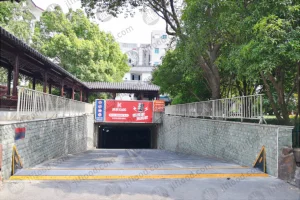
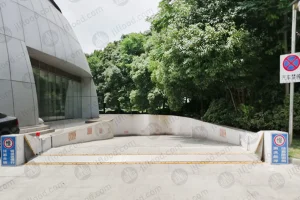
Basement parking structures at shopping centers, office towers, and residential complexes act as natural water retention basins during severe storms. Heavy-duty 30-ton drive-over hydrodynamic gates protect vehicles, elevators, and building electrical rooms.
Underground highway passages, civil defense tunnels, port warehouses, and chemical plant perimeters require custom-engineered wide-span flood barriers. Modular multi-panel arrays provide continuous protection across openings up to 60+ meters wide.
Understanding cost variables, technical specifications, and budgetary planning for international enterprise procurement.
B2B procurement managers and EPC tendering officers evaluating Chinese flood barrier quotes should consider total system engineering rather than initial unit cost alone. Pricing varies depending on structural activation mechanism, foundation embedding depth, vehicle axle load rating, clear opening span, and anti-corrosion finishes.
| Barrier Architecture Category | Target Retaining Height (mm) | Vehicle Load Rating | Estimated FOB China Price Range (USD / Meter) | Best Suited Application |
|---|---|---|---|---|
| Lightweight Flip-Up Manual Flood Gate | 300mm – 900mm | Pedestrian Only | $180 – $350 / m | Building doors, utility rooms, cable trenches |
| Surface-Mounted Automatic Modular Gate | 400mm – 1200mm | 5 Ton Light Vehicle | $350 – $650 / m | Retrofit garage ramps, retail entrances |
| Embedded Hydrodynamic Automatic Barrier | 500mm – 1500mm | 30–40 Ton Heavy Duty | $680 – $1,250 / m | Subway stations, main garage ramps, power stations |
| Wide-Span Heavy Infrastructure Flood Gate | 1000mm – 2200mm | 50+ Ton Extreme Load | $1,300 – $2,400 / m | Civil defense portals, logistics hubs, riverfronts |
When requesting factory RFQs, always request comprehensive engineering submittals: Finite Element Analysis (FEA) stress reports, EPDM seal aging certificates, installation embedment CAD templates, and full-scale hydrostatic test video logs. Reputable Chinese suppliers provide complete technical documentation packages to support local architectural permitting and insurance compliance.
Technical guidance for consulting engineers, municipal planners, and B2B buyers evaluating flood defense barriers.
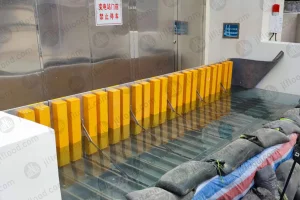
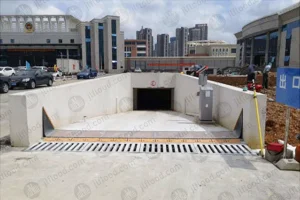
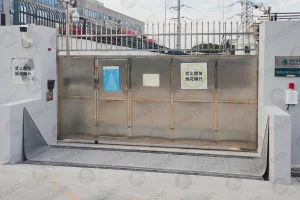
The barrier panel is installed inside a recessed ground basin flush with the road surface. When floodwaters breach the threshold, water flows into the basin through drainage inlet grates. The accumulating fluid generates dynamic buoyancy under the hollow aluminum alloy panel while hydrostatic pressure rises. This lifts the panel automatically without motors, sensors, or external power. It operates reliably even during total electrical grid blackouts.
Standard heavy-duty embedded gates feature structural steel ground basins and internal load-bearing ribs designed to withstand vehicle axle loads up to 30–50 tons (compliant with AASHTO HS-20 and EN 124 Class D400 standards). They support continuous traffic flow from heavy commercial vehicles, fire engines, and buses without structural deformation.
Ground basins feature angled bottom channels and integrated clean-out drainage ports connected to municipal storm drains. Minor debris washes through during drainage cycle flows. For routine preventative maintenance, top stainless-steel cover plates unscrew easily, allowing maintenance crews to vacuum out accumulated sediment once or twice a year.
The primary structural components—extruded 6063-T6 aluminum panel profiles and stainless steel frames—have a design service life exceeding 25 years. The heavy-duty EPDM elastomeric side seals are rated for 10–15 years depending on atmospheric exposure. Replacement seal kits are modular and can be swapped on-site within hours without removing the embedded ground frame.
Yes. Factories produce both shallow-embedment units (requiring ground trenching of only 150 mm to 250 mm) and surface-mounted ramp barriers. Surface-mounted barriers attach directly onto concrete floors using heavy-duty anchor bolts, avoiding excavation and making them ideal for existing commercial property upgrades.
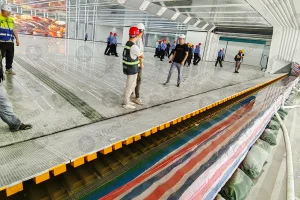
Leading Chinese flood barrier manufacturers execute 1:1 scale hydraulic submersion testing in dedicated test basins. Barriers undergo full hydrostatic head retention testing to measure structural deflection, pivot mechanism smooth deployment speed, and gasket seal integrity. Detailed inspection videos and certified QA test logs accompany every export shipment.
Explore specialized flood barrier configurations engineered for subway stations, electrical infrastructure, and commercial property ramps.
Partner directly with China's leading hydrodynamic flood barrier engineering factory. Submit your project clear span width, required retention head height, and load specifications to receive custom technical drawings and wholesale RFQ quotes within 24 hours.
Contact Engineering Team Now