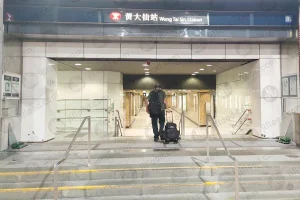
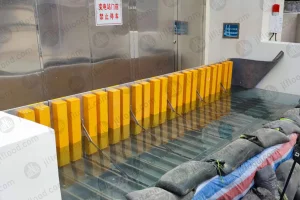
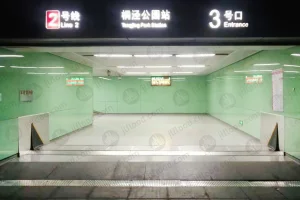
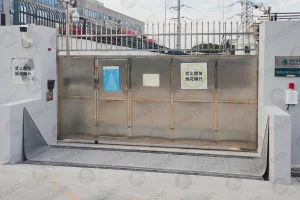
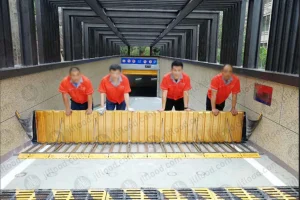
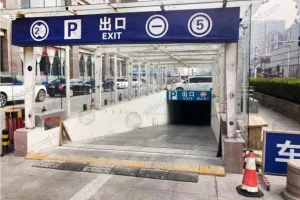
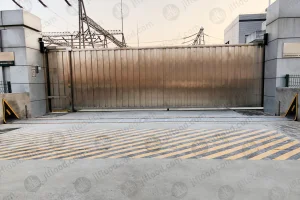
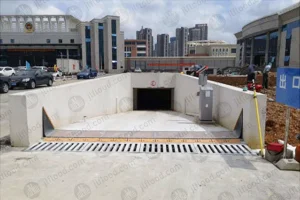
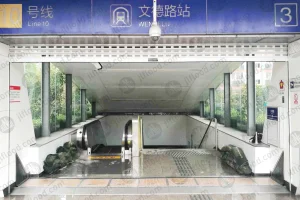
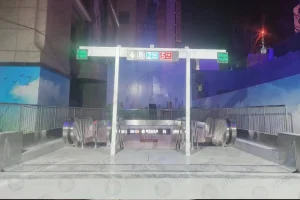
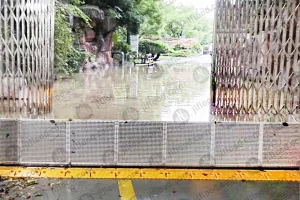
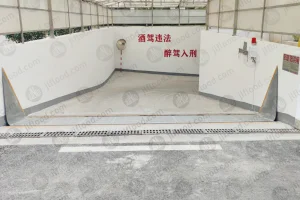
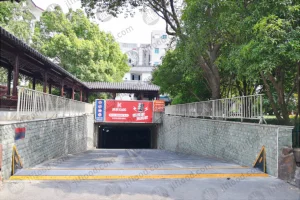
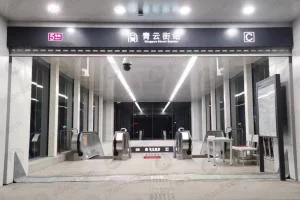
Explore our core hydrodynamic automatic flood barrier assemblies, engineered specifically for high-risk civil defense, subway station entrances, electrical substations, and underground car parks.
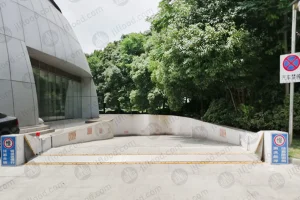
In an era defined by intensifying global climate volatility, extreme precipitation events, and urban flash flooding, municipal infrastructure resilience has transitioned from a routine engineering consideration to a critical economic imperative. Urban centers worldwide face severe financial exposure and operational disruption due to urban waterlogging—specifically within subterranean transportation networks, electrical power substations, underground commercial parking complexes, and civil defense structures.
As the world’s primary industrial manufacturing hub, China has pioneered advanced engineering solutions in passive hydro-dynamic flood barrier technology. Nanjing Junli Technology Co., Ltd. stands at the apex of this industrial evolution. Operating from a state-of-the-art manufacturing facility in Nanjing, Jiangsu Province, Junli Technology integrates structural engineering, hydrodynamic physics, precision metal fabrication, and advanced elastomeric sealing systems to manufacture power-free, automatically rising flood gates.
This technical white paper serves as an authoritative procurement guide for municipal specifiers, engineering, procurement, and construction (EPC) contractors, architectural consultants, and international distribution partners seeking detailed insights into the engineering principles, manufacturing workflows, cost structures, and deployment protocols of China-manufactured automatic flood barrier systems.
Traditional flood mitigation relies heavily on manual barrier placement (sandbags, modular aluminum stop-logs) or electrically powered mechanical gates. Both approaches present severe failure modes during cataclysmic weather events. Manual deployment requires human intervention, which is frequently impeded by sudden storm surges or transportation logjams. Conversely, electrical gates depend on grid power, optical sensors, or motorized actuators—systems that inherently fail during grid blackouts or electronic submersion, precisely when flood defense is required most.
Core Hydrodynamic Axiom: "Water retains water." Junli's self-closing and automatic hydrodynamic flood barriers operate strictly on Archimedes' principle of buoyancy and hydrostatic pressure differentials. The system requires ZERO electrical power, ZERO electronic sensors, and ZERO human operation.
The complete flood barrier assembly consists of a ground-embedded foundation trough (constructed from structural SUS304 stainless steel or hot-dip galvanized steel), a high-strength structural door panel (extruded T6 6063-T5 aluminum alloy or stainless steel), dynamic EPDM sealing gaskets, and passive lever arm assemblies.
Under dry conditions, the barrier panel rests completely flush with the surrounding roadway or slab surface. Vehicles and pedestrians traverse the barrier without hindrance. The embedded housing incorporates internal drainage channels to manage everyday rainwater run-off.
When flash surface runoff exceeds municipal storm drain capacity and approaches the protected threshold, water enters the front intake grille of the embedded foundation chamber. As the internal water level rises, hydraulic buoyancy acts directly upon the engineered hollow chamber of the barrier panel.
The barrier panel pivots upwards around its stainless-steel hinge axis. As water continues to accumulate against the upstream side of the rising gate, rising hydrostatic pressure forces the barrier panel against the vertical wall jambs, compressing the triple-stage EPDM seals to form an IP68-rated watertight barrier.
Flood gates located at building vehicle ramps or metro station entrances must withstand dual loading profiles: high frequency dynamic wheel loads during dry operations and massive static hydrostatic head combined with hydrodynamic wave impact during storm events.
Junli engineers utilize advanced FEA software to model stress distribution across the barrier matrix. Standard vehicle ramps are rated to endure AASHTO HS20 / EU EN124 heavy truck loads (axle loads from 20 to 60 metric tons) without structural deflection or frame distortion. When deployed, the structural panel is calculated to resist hydrostatic head up to 2.0 meters high with safety factors exceeding 2.5x design water head pressure.
sourcing flood barriers directly from accredited Chinese manufacturers provides global contractors and engineering firms with significant competitive advantages in capital expenditure, customization agility, and lead-time optimization. Nanjing Junli Technology operates a fully integrated manufacturing ecosystem that guarantees technical rigor from metallurgical raw material intake to final hydrostatic pool testing.
The structural efficacy of an automatic flood barrier is dictated by material quality. Junli utilizes top-tier raw materials certified under international standards:
| Component Assembly | Material Specification | Standard / Grade | Key Engineering Benefit |
|---|---|---|---|
| Main Retaining Panel | Extruded Aluminum Alloy / SUS304 | 6063-T5 / T6 Temper / AISI 304 | High strength-to-weight ratio, extreme corrosion resistance, high tensile strength. |
| Embedded Foundation Chamber | Stainless Steel / Galvanized Steel | SUS304 / Q235B Hot-Dip Galvanized | Immunity to ground soil acidity, concrete alkalis, and structural warping under earth pressure. |
| Dynamic Perimeter Sealing | Co-extruded Vulcanized EPDM | ASTM D2000 / EN 681-1 | 30-year resistance to ozone, UV exposure, chemical runoff, and compression set. |
| Hinge Shafts & Fasteners | High-Tensile Stainless Steel | SUS316 / A4-80 Grade | Zero corrosion binding, high shear strength under continuous vehicular dynamic stress. |
A primary differentiator of Junli's OEM manufacturing center in Nanjing is our dedicated, full-scale hydraulic testing pool facility. Unlike suppliers who rely purely on theoretical computer simulations, every custom production run undergoes rigorous real-water validation prior to export dispatch.
During testing, gates are installed within concrete test pits identical to field civil dimensions. The chamber is flooded to measure passive trigger speed, smooth panel elevation rate, dynamic water seal compression, micro-gap leakage rates (verifying zero-drip tolerance), and structural deflection under maximum head. Inspection certificates and video records are compiled and transmitted directly to client procurement teams.
Different civil infrastructure assets exhibit distinct architectural constraints, traffic dynamics, and flood risk profiles. Junli's modular product suite provides tailored barrier solutions designed for seamless civil integration.
Metro station entrances, pedestrian connection passages, and ventilation shafts represent hyper-critical flood paths. A single ingress point can inundate miles of underground tunnel networks, causing catastrophic loss of life and equipment destruction worth billions. Junli surface-mounted and embedded hydrodynamic barriers (proven across metro systems in Guangzhou, Beijing, Hong Kong, and Dalian) automatically isolate sub-surface transit hubs without requiring operator intervention.
Electrical substations and power distribution rooms house transformers, switchgear, and control systems susceptible to water-induced short circuits. Substation perimeter gates and cable trench portals equipped with Junli power-free flood barriers guarantee continuous electrical grid operations during typhoons, protecting critical energy infrastructure from localized waterlogging.
Underground car parks present steep vehicular ramps that act as natural funnels for surface stormwater. Flash urban runoff can flood subterranean garages in minutes. Surface-mounted or flush embedded automatic flood gates installed at the top or bottom of access ramps provide immediate, automatic protection for private vehicles, commercial property, and building mechanical basements.
Municipal civil defense facilities, subterranean retail arcades, and underground logistics centers require high-span, multi-panel barrier arrays. Junli custom engineers wide-span flip-up and modular self-closing flood gates capable of bridging openings up to 30 meters wide using removable intermediate support posts.
Successful implementation of hydrodynamic flood barriers depends on proper civil interface planning and structural preparation. Overseas engineering buyers must consider clear span width, design water height, ramp slope, drainage connections, and concrete trench reinforcement.
Junli supplies two primary structural installation configurations to accommodate both new construction civil designs and retrofit applications on existing facilities:
| Installation Parameter | Embedded Foundation Type | Surface-Mounted Type |
|---|---|---|
| Civil Excavation Requirement | Requires concrete trench cutting (Depth: 150mm – 400mm depending on height). | Zero slab excavation. Anchored directly to existing flat concrete slab. |
| Surface Flushness | 100% level with surrounding roadway; no lip or speed-bump effect. | Slight incline threshold (40mm – 60mm height transition). |
| Ideal Project Phase | New building construction, major civil retrofits, high-end commercial entries. | Existing building retrofits, fast-track emergency procurement, low budget projects. |
| Vehicle Crossing Comfort | Smooth, silent, zero road noise during heavy traffic crossing. | Requires mild slowing down; fitted with rubber dampening entry ramps. |
| Drainage Requirement | Connects directly to site gravity drain or sump pump pit. | Relies on surface drainage slope away from threshold. |
To ensure flawless installation of Junli embedded hydrodynamic flood gates, general contractors must comply with the following structural guidelines:
1. Concrete Slab Strength: The foundation recess must be cast with reinforced concrete rated at C30/S4 or higher, ensuring structural anchor pull-out resistance under hydro-dynamic force.
2. Trench Level Tolerance: The longitudinal level tolerance along the entire clear span width must not exceed ±2mm to ensure uniform compression across dynamic EPDM seals.
3. Sump Connection: The bottom of the embedded foundation steel casing must incorporate dedicated DN50 or DN100 drainage outlet spigots linked to the main storm sewer or sump pit to prevent sediment accumulation during dry periods.
Transparent pricing is essential for procurement officers and EPC estimators preparing bid proposals. Direct factory pricing from China provides an exceptional cost-to-performance ratio compared to European or American manufacturers, often delivering 40% to 60% budget savings without compromising raw material grade or water-tightness certifications.
| Barrier Model Series | Protection Height (mm) | Material Specification | Est. Price Range (USD / Meter) | Lead Time (Days) |
|---|---|---|---|---|
| HM4D-0006C Heavy Duty Auto Gate | 600 mm – 1000 mm | Structural Stainless Steel Trough + T6 Panel | $450 – $750 / linear meter | 14 – 21 Days |
| HM4E-006C Embedded Flood Barrier | 500 mm – 900 mm | Extruded High-Density Aluminum Alloy | $380 – $620 / linear meter | 10 – 18 Days |
| Substation Automatic Barrier | 400 mm – 800 mm | Stainless Steel AISI 304 + EPDM Dual Seal | $400 – $680 / linear meter | 12 – 20 Days |
| Flip-Up Garage Ramp Gate | 300 mm – 600 mm | Reinforced Aluminum T6 + Anti-Slip Top | $320 – $540 / linear meter | 10 – 15 Days |
| Surface-Mounted Metro Barrier | 500 mm – 1200 mm | Heavy Duty SUS304 / SUS316 Marine Grade | $500 – $920 / linear meter | 15 – 25 Days |
Pricing Note: Standard prices vary based on total clear span length, required dynamic axle load capacity (e.g., 20T vs 60T), custom powder coating/anodizing colors, and inclusion of early-warning LED light strips or audible alarm sensors. Contact Junli sales engineers for detailed project quotes and CAD design validation.
Explore our targeted automatic and self-closing flood gates designed for metro station connections, residential garage ramps, and surface-type rapid deployments.
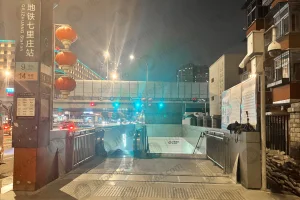
Clarifying technical inquiries commonly raised by global municipal engineers, building contractors, and international procurement managers.