Explore our engineered hydrodynamic non-electric flood gates deployed across metro lines, power substations, and underground facilities globally.
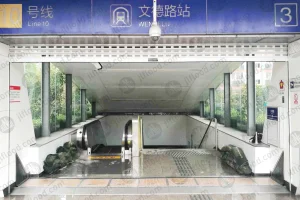
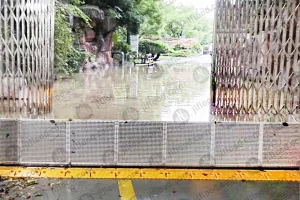
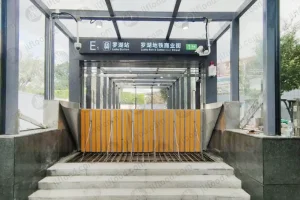

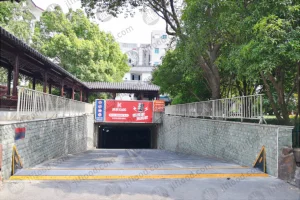
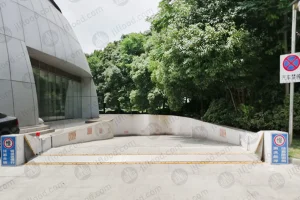
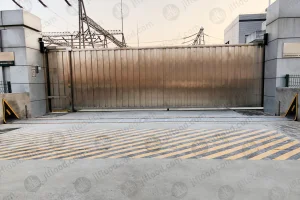
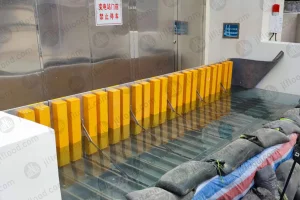
As severe urban waterlogging and extreme weather events intensify globally, conventional manual flood boards and electrically powered flood gates expose critical structural vulnerabilities. Power grids frequently fail during typhoons and extreme flash floods, rendering motorized systems useless. Modern civil engineering demands non-electric, passive automatic surface-mounted flood baffles.
Unpredictable cloudburst floods and hurricane surges often cause municipal power outages. Hydrodynamic surface baffles harness pure fluid buoyancy and hydrostatic leverage, guaranteeing automatic deployment when electricity fails completely.
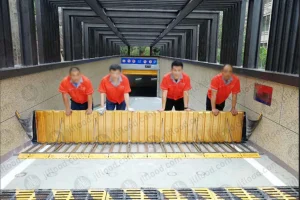
Manual aluminum slot barriers require human intervention, transport logistics, and onsite assembly during severe storms. Automatic surface baffles operate continuously 24/7/365 without requiring on-site emergency personnel.
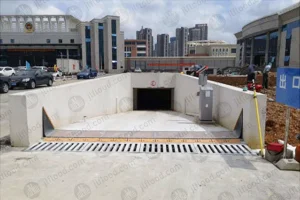
Designed specifically for retrofitting existing metro station ramps, historical buildings, and operational substations where extensive trench excavation or underground utility rerouting is physically impossible or cost-prohibitive.
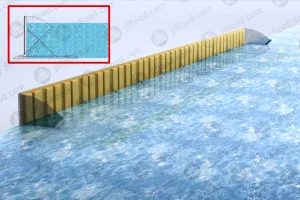
Hydrodynamic self-rising flood barriers operate on Archimedes' Principle of buoyancy combined with hydrostatic equilibrium. Below is the technical breakdown of the hydrodynamic response mechanism within China's leading manufacturing facilities.
| Engineering Parameter | Surface Mounted Type (Non-Electric) | Embedded Pit Type (Hydrodynamic) | Traditional Electric / Hydraulic Gate |
|---|---|---|---|
| Power Requirement | 0 kW (100% Water Buoyancy Powered) | 0 kW (Hydrostatic & Buoyancy Driven) | 3.5 kW - 15 kW Continuous Power Required |
| Civil Works Depth | 35 mm - 90 mm Surface Ramp Threshold | 300 mm - 600 mm Recessed Concrete Pit | 500 mm - 1200 mm Deep Trench Required |
| Response Latency | Immediate (< 0.5s per water level rise) | Immediate (Automated Dynamic Lift) | 30s - 180s (Sensor + Motor Delay) |
| Vehicle Axle Rating | 15 Tons - 40 Tons Heavy Duty Transit | 20 Tons - 60 Tons Heavy Freight | Varies (10T - 30T depending on motor frame) |
| Sealing Architecture | Triple EPDM Hydro-Expanding Gaskets | Dual Inflatable / EPDM Compression Seals | Mechanical Rubber Strip (Wears out quickly) |
| Maintenance Overhead | Annual Visual & Sediment Cleanout | Bi-annual Pit Cleanout | Monthly Motor, Cable & Sensor Inspection |
When surface flash flooding reaches threshold height (typically 30–50mm above kerb grade), water enters the bottom flow inlet channels of the surface frame. Fluid pressure drives water directly beneath the lightweight high-rigidity structural panel (6063-T6 Aviation Aluminum Alloy). As water rises, buoyancy lifts the front edge of the panel. Once deployed, the differential hydrostatic pressure forces the seal against the side dam abutments, creating an impenetrable water seal without mechanical gears or electrical sensors.
International EPC contractors, municipal transit authorities, and global industrial procurement officers demand rigorous manufacturing qualifications. Leading Chinese manufacturers adhere to international structural and hydraulic testing standards.
Constructed using high-strength extruded aluminum alloys (6063-T6 or 6005-T6) anodized to a minimum thickness of 15 µm, paired with 304/316 stainless steel side posts for maximum corrosion resistance in coastal or saline environments.
Full compliance with international flood gate leakage standard limits (e.g., lower than 0.5 liters per hour per meter of wetted perimeter), verified by full-scale factory pool testing under maximum head of water.
Engineered with Finite Element Analysis (FEA) to maintain structural deflection below L/250 under maximum hydro-static and dynamic wave loads, preventing structural jamming during deployment.
Customized engineering configurations developed for high-value critical infrastructure assets.
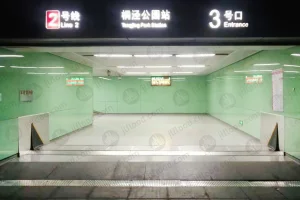
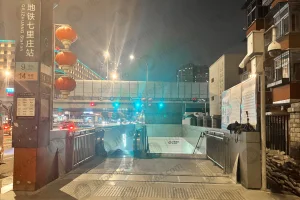
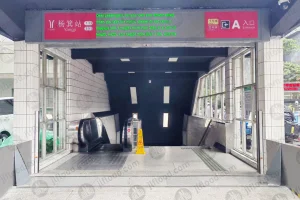
Subway station entrances, air vents, and connection channels represent high-vulnerability points where floodwaters can inundate underground tunnel networks. Surface-type automatic flood baffles installed at ground-level concourses provide immediate passive protection without blocking pedestrian flow during normal dry operations.
Water inundation into 110kV/220kV transformer switchgear rooms causes massive grid blackouts and millions of dollars in equipment damage. Perimeter gates and cable trench doors equipped with non-electric automatic flood barriers prevent water ingress even during un-staffed night shifts.
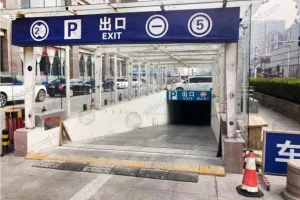
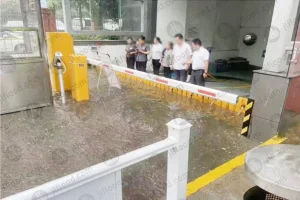
Underground parking ramps are vulnerable to rapid urban storm run-off. Standard surface-mounted flip-up barriers allow high-frequency vehicle passage daily while remaining ready to seal the ramp automatically during extreme rainstorms.
Chemical plants, pharmaceutical warehouses, and data centers house valuable inventory sensitive to water damage. Surface-mounted barriers seal dock doors, perimeter walls, and cleanroom access points seamlessly.
The flood control industry is transitioning from reactive manual barriers to intelligent passive-active hybrid defense networks. Chinese manufacturers lead this technological evolution through innovative hydraulic and IoT engineering.
Integrating zero-power wireless sensors into passive hydrodynamic baffles. System sends real-time deployment alerts, water height telemetry, and status reports to municipal control rooms via NB-IoT/LoRaWAN without requiring operational grid power.
Developing next-generation structural panels utilizing carbon-fiber-reinforced polymer (CFRP) cores. Reduces panel mass by 40% while doubling yield strength, allowing even faster hydrodynamic dynamic response during high-velocity flash floods.
Engineering hydraulic rotary dampers with temperature-compensating fluid viscosities. Ensures smooth, controlled panel rising speeds across extreme climate zones (-40°C arctic freezing to +60°C desert environments).
Successfully deploying flood control hardware requires meticulous civil interface engineering, custom fabrication, and international logistics support.
Full 3D BIM models (Revit, IFC) and CAD civil embedment templates provided for engineering consultants and architectural specifiers.
Detailed concrete leveling guides, expansion joint sealing notes, and remote video commissioning assistance for contractor teams worldwide.
Orders undergo full-scale hydrostatic testing in specialized factory water basins with video documentation and third-party inspection (SGS/TÜV) available.
Heavy-duty fumigation-free wooden crate packaging with VCI anti-corrosion wrapping for safe sea freight shipping to major ports.
Clear technical answers for municipal authorities, procurement officers, and structural engineers evaluating non-electric surface flood baffles.
Review additional factory-engineered automatic flood barrier models available for global procurement and OEM project engineering.