
Precision-engineered automatic self-closing flood gates designed for rapid municipal deployment, extreme hydrodynamic loads, and 100% zero-power reliability.
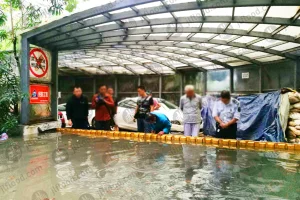
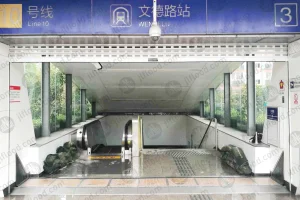
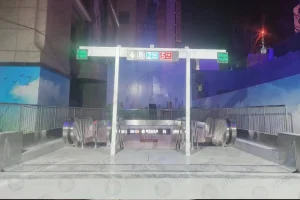
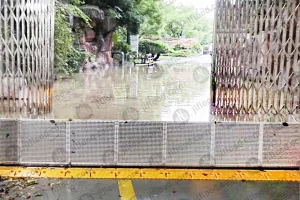
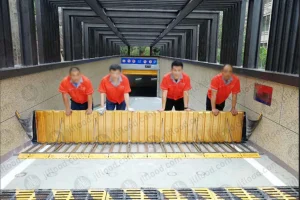
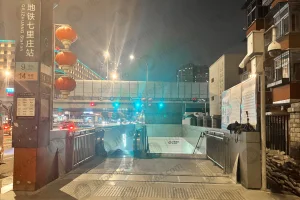
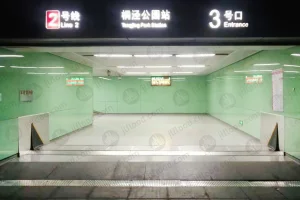
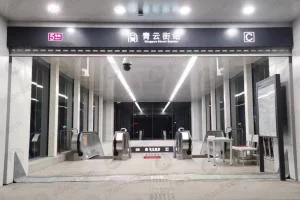
As global climate disruption intensifies the frequency of catastrophic atmospheric rivers and microburst rainstorms, subterranean urban transit systems face unprecedented inundation vulnerabilities. Rapid urbanisation has expanded underground metro networks, sub-surface parking structures, cable trenches, and electrical transmission corridors into high-risk hydrological zones. The global civil defense sector is undergoing a paradigm shift: moving away from reactive, labor-intensive flood defenses (such as manual sandbagging and mechanical stop-logs) toward fully autonomous, passive, zero-power hydrodynamic protection architectures.
Metro Transit Authorities (MTAs), Municipal Engineering Procurement & Construction (EPC) conglomerates, and commercial property developers worldwide are increasingly prioritizing specialized China Self Closing Flood Door For Metro Manufacturers. This preference is driven by China’s world-class manufacturing scale, rigorous hydraulic engineering benchmarks, and field-tested installations across complex mass transit systems in mega-cities like Guangzhou, Beijing, Shanghai, Shenzhen, and Hong Kong.
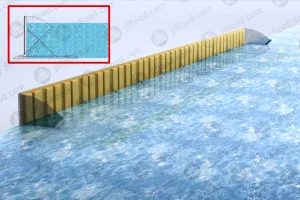
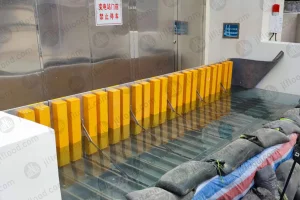
Traditional motorized or electromechanical flood barriers frequently experience catastrophic failures during severe typhoons and flash floods because surface inundation is almost universally accompanied by regional grid blackouts, short circuits, or telemetry failures. A self-closing hydrodynamic flood barrier operates entirely on ambient fluid energy—utilizing hydro-buoyancy and differential hydrostatic pressure to raise structural door panels without human intervention, electrical wiring, or sensors.
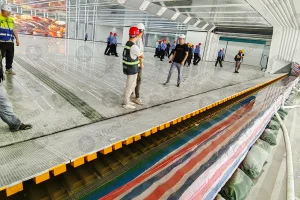
The core technology behind modern self-closing flood gates for subway stations relies on Archimedes' principle of buoyancy coupled with mechanical lever-arm kinetics. The barrier assembly is embedded flush with the finished floor elevation during normal conditions, allowing unhindered pedestrian movement and heavy vehicular passage (up to D400 load ratings per EN 124 standards).
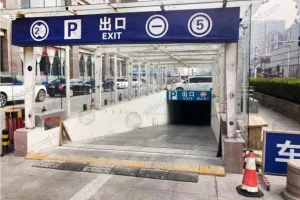
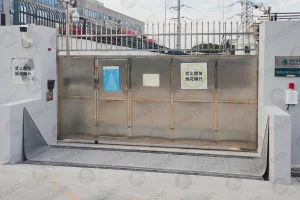
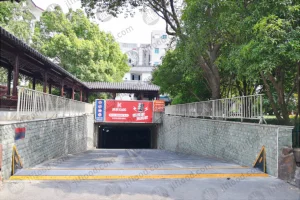
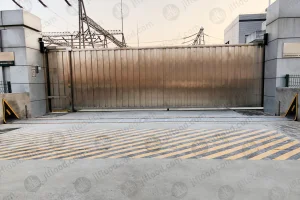
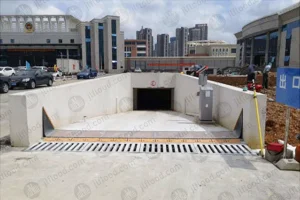
Sub-surface civil infrastructure requires bespoke spatial and structural interface engineering. Leading Chinese manufacturers deliver adaptable product variants engineered specifically for distinct municipal transit ingress points:
The evolution of China's flood barrier manufacturing sector is marked by advanced robotic welding, Finite Element Analysis (FEA) dynamic simulation, and smart IoT integration. Future technological roadmaps focus on smart municipal resilience networks:
Implementation of marine-grade 6061-T6 aluminum alloys and duplex 2205 stainless steel treated with fluoropolymer nanocomposite anti-fouling coatings to prevent silt buildup and chemical corrosion over 30-year operational horizons.
Integrating passive hydrodynamic hardware with wireless LoRaWAN / 5G micro-sensors to send instantaneous deployment status alerts, water depth readings, and security telemetry to municipal transit command centers.
Deploying embedded strain gauges and pressure transducers monitored by machine learning algorithms to predict seal degradation, sediment accumulation, and schedule preventative maintenance before monsoon seasons.
Procuring heavy-duty flood control assets for international infrastructure projects demands adherence to strict international building codes and civil engineering standards. Top Chinese OEMs offer comprehensive localized technical support to streamline EPC tender submissions:
To support global contractors, certified manufacturers provide detailed CAD/BIM model libraries, structural foundation embedment drawings, localized concrete pouring sequences, step-by-step English installation manuals, and field engineering dispatch support for site commissioning.
Explore our full selection of tested, high-performance automatic self-closing flood gates and industrial flood barriers available for immediate global quotation and direct OEM supply.
Expert engineering answers regarding hydrodynamic self-closing flood door design, civil works requirements, international shipping, and operational maintenance.


