Direct manufacturer supply of self-closing, hydrodynamic, embedded, and surface-mounted flood protection barriers built for extreme urban hydrological resilience.
Global urbanization and accelerating climate volatility have exposed fundamental weaknesses in traditional manual flood defenses. Modern civil infrastructure requires zero-latency, non-electric automatic defense mechanisms.
In the contemporary landscape of civil infrastructure engineering, municipal flood risk management has shifted from reactive measures to proactive, embedded structural resilience. Microburst rainstorms, flash urban pluvial flooding, and sudden sea-level surge events present immediate operational threats to low-lying structures—specifically underground rail transit networks, multi-level subterranean parking structures, high-voltage power sub-stations, and urban utility vaults.
Historically, commercial facilities relied upon manual barrier placement (such as sandbags, modular aluminum stoplogs, or electrically motor-driven flood gates). However, real-world disaster records reveal that manual barriers frequently fail due to three primary operational vulnerabilities:
Flash floods typically occur during off-peak hours or extreme weather nights when facility staff are either absent, understaffed, or physically unable to reach access points to deploy stoplogs manually.
Severe storms consistently coincide with municipal electrical grid failures or localized transformer short-circuits, rendering motorized electric gates or sensor-dependent hydraulic pumps entirely non-functional.
Temporary modular barriers stored in warehouses suffer seal degradation over time, and improper emergency assembly leads to severe joint leakage under hydrostatic pressure heads.
Engineering details of non-electric passive water lifting, dual-lip EPDM dynamic dynamic sealing, and structural load deflection calculations.
The stainless-steel structural bottom frame is installed perfectly flush with the road surface. In normal operational weather, heavy vehicles up to 40 tons (AASHTO HS20 / Eurocode load rating) drive over the recessed housing without component fatigue.
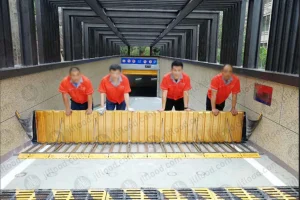
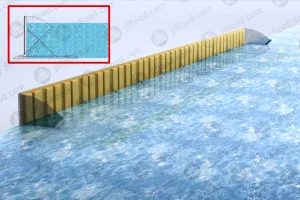
When surface water reaches a preset trigger depth (typically 30–50mm above kerb level), water channels flow into the bottom basin chamber. The airtight, lightweight hollow-core aviation alloy panel instantly floats upward via Archimedes' displacement principles.
As the external flood height increases, hydrostatic pressure pushes the door panel tighter against the side vertical mullions and bottom EPDM dynamic seals. Higher water pressure creates a tighter waterproof barrier seal ($P_{seal} \ge P_{hydrostatic}$).
100% mechanical buoyancy activation, 6063-T6 anodized structural extrusion, dual EPDM vulcanized sealing, manual reset levers, zero electrical power demands.
Integration of self-powered NB-IoT/LoRaWAN sensors. Real-time threshold alerts sent to municipal SCADA networks when floodgates trigger, complete with laser status verification.
Structural panel transition to high-strength carbon-fiber-reinforced polymer (CFRP) cores for 40% weight reduction, ultra-corrosion marine performance, and 50-year structural lifespan.
Engineered to fit specific civil spatial constraints, traffic load classes, and regulatory civil defense mandates across critical asset types.
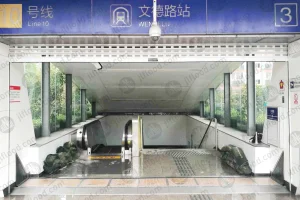
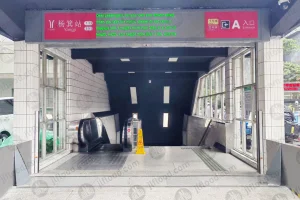
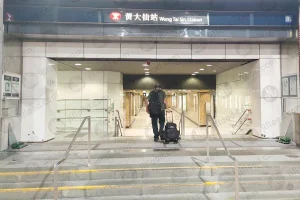
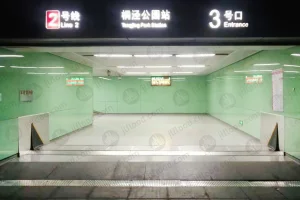
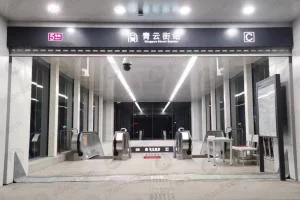
Installed at station pedestrian entrances, connection channels leading to adjacent commercial malls, and emergency escape shafts. Proven field protection across major subway lines in Guangzhou, Dalian, Suzhou, and Beijing.
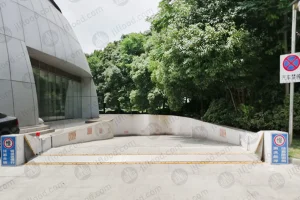
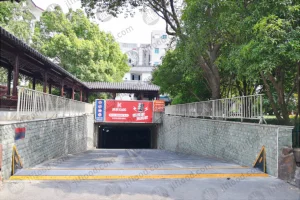
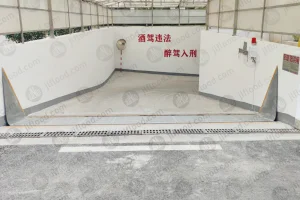
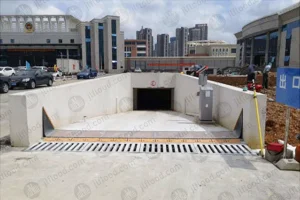
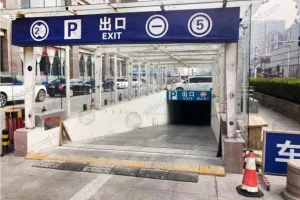
Flush-mounted at underground garage ramps to provide 24/7 unassisted protection. Withstands continuous heavy vehicle passage while keeping basement parking facilities, EV charging hubs, and mechanical rooms dry.
Protects high-voltage transformer yards, cable trenches, and server basement rooms. Prevents catastrophic utility blackouts caused by flash rainwater accumulation entering electrical distribution enclosures.
How Nanjing Junli Technology leverages local metallurgical supply chain integration, automated fabrication, and rigid quality verification to deliver global project advantages.
Procuring specialized flood mitigation hardware for large-scale international municipal or commercial projects requires high dimensional customization, fast production cycles, structural safety compliance, and competitive capital expenditure. Chinese flood barrier manufacturers—centered in high-tech industrial clusters such as Nanjing, Jiangsu—offer distinct structural advantages over Western counterparts:
Direct raw material sourcing of SUS304/316 stainless steel plates and custom 6063-T6 aluminum profile extrusions within a 50km radius reduces manufacturing lead time by up to 60% compared to European vendors.
High-precision CNC fiber laser cutting, automated robotic arm seam welding, and surface anodizing guarantee precise structural tolerances (<1.5mm frame squareness) for continuous water seal integrity.
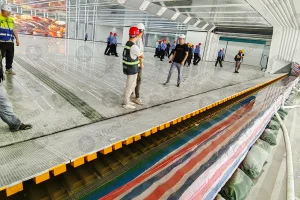
100% of custom engineered barrier models undergo full-scale real water pool testing prior to shipping to verify buoyancy response speed, seal deflection rates, and zero leakage performance.
Custom export-grade steel frame crating, modular BIM/CAD integration support, full installation templates, and international door-to-door project delivery support.
Providing structural consultants, civil contractors, and municipal authorities with complete technical documentation and international compliance validation.
Manufactured under ISO9001:2015, ISO14001, and ISO45001 certified management systems. Technical design criteria align with FM 2510 (American National Standard for Flood Abatement Equipment) and GB 50014 civil engineering standards.
Every shipment includes 3D CAD/BIM block models, foundation embedded frame pouring drawings, anchor rod rebar clearance layouts, and step-by-step civil interface specifications for site contractors.
Backed by comprehensive English operation manuals, video-guided commissioning support, 10-year seal maintenance kits, and direct engineer-to-engineer technical consultation for overseas clients.
Expert answers addressing self-deploying mechanics, civil preparation, maintenance intervals, and international shipping protocols.
Browse additional factory-direct flood protection systems tailored for metros, connection channels, substations, and underground garage entries.