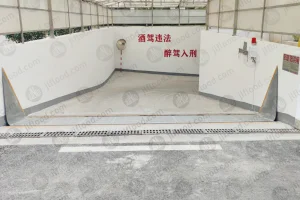
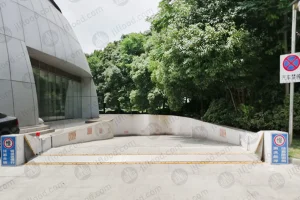
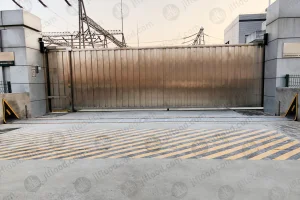
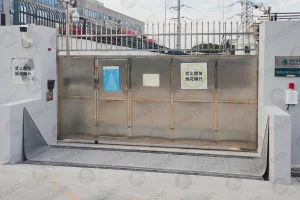
Explore our flagship hydrodynamic self-closing flood gate configurations, tested for high water head retaining, heavy vehicular passage loads, and zero-energy emergency deployment.

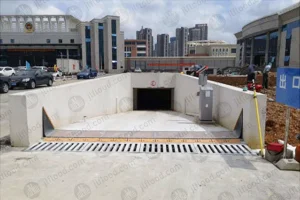
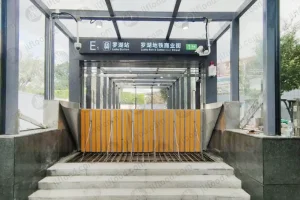
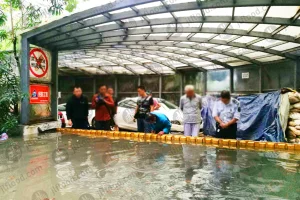
As extreme meteorological events, flash floods, and coastal typhoon surges increase in frequency, civil infrastructure assets face unprecedented hydro-static risks. Traditional flood defense models—ranging from manual sandbags and drop-in aluminum stop logs to motorized electric flood gates—exhibit critical vulnerabilities during catastrophic rainstorms. The primary point of failure in urban inundation events is power grid blackout combined with human operational absence.
When torrential cloudbursts paralyze city power grids, electromechanical barriers without uninterrupted power supplies (UPS) fail to trigger. Simultaneously, human-dependent barriers fail when traffic gridlock prevents maintenance personnel from deploying stop logs in time. Hydrodynamic Automatic Flood Barriers Operating Without Electricity solve this fundamental vulnerability by leveraging fluid mechanics, buoyancy, and hydrostatic pressure as the sole mechanical driving forces.
| Defense Paradigm | Trigger Mechanism | Power Reliance | Human Operator Required? | Failure Rate During Blackout | Maintenance Overhead |
|---|---|---|---|---|---|
| Manual Stop Logs | Human Assembly | None | Yes (High Risk) | High (Labor Bottleneck) | Low |
| Motorized Electric Gates | Sensor / Remote Switch | 100% Electric Grid / Battery | Optional | High (Electrical Short Circuits) | High (Motor/PLC Service) |
| Hydrodynamic Unpowered Gates | Buoyancy & Water Level Rise | 0% (Pure Hydrodynamic Physics) | No (100% Autonomous) | 0% (Inherently Fail-Safe) | Very Low (Passive Mechanical) |
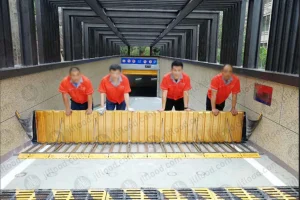
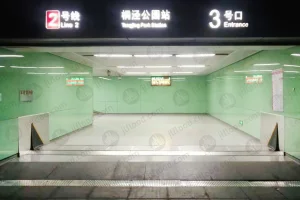
The passive automatic flood barrier operates on Archimedes’ Principle of Buoyancy coupled with hydrostatic pressure mechanics. Embedded flush with the finished floor level (FFL) across building perimeters, car park entrance ramps, or subway portals, the system remains completely unobtrusive under normal dry conditions, allowing heavy vehicle traffic to pass without vibration or structural fatigue.
When flash floods exceed kerb thresholds, surface water naturally drains into the stainless steel bottom embedment chamber through intake grates. As the internal water level inside the sealed trough rises, the high-density modular floating leaf panel (constructed from high-strength marine-grade 6063-T6 aluminum extrusion with integrated polyurethane closed-cell buoyancy cores) begins to float.
As the floodwater level continues to climb, the rising hydraulic force rotates or lifts the barrier panel around a bottom pivot axis until it reaches a vertical 90-degree or angled 45-degree defense posture. The incoming hydrostatic pressure pushes the leaf firmly against structural side columns, compressing specialized multi-ridge EPDM seal gaskets to achieve zero leakage.
Frame Base Casing: Cold-formed 304 or 316 Stainless Steel (3mm - 6mm wall thickness) with anti-corrosion passivation layer for sub-surface installation.
Door Panel Profile: High-tensile extruded aluminum alloy (6063-T6 / 6005-T6) yielding a minimum yield strength of 240 MPa. Internal webbed structural ribs withstand dynamic wave impacts and hydrostatic heads up to 2,000mm.
Sealing Gaskets: Flame-retardant, anti-aging, chemical-resistant EPDM rubber with Shore A 65 hardness, maintaining elasticity across temperature ranges from -40°C to +90°C.
China has established itself as the global epicenter for flood engineering and hydro-technical gate manufacturing. Facilities such as Nanjing Junli Technology Co., Ltd. leverage Jiangsu Province's mature industrial ecosystem, combining precision metal fabrication, advanced extrusion molding, and rigorous hydraulic testing infrastructure.
Leading Chinese factories maintain real-water hydrostatic test basins. Every manufactured batch undergoes clear-water dynamic lifting speed checks, leakage rate measurements under peak head pressure, and post-impact deflection analyses prior to export packing.
By producing heavy-duty aluminum extrusions and stainless structural troughs domestically, Chinese OEMs reduce unit manufacturing costs by 35% to 50% compared to European or North American fabricators, delivering competitive wholesale factory pricelists.
Production adheres to international engineering standards, including ISO9001 quality management, ISO14001 environmental compliance, and structural load standards such as AASHTO HS-20/HS-25 and EN 124 vehicle loading classes.
Custom unpowered automatic flood gate configurations address varying clear widths, retaining heights, and civil integration requirements across multiple commercial, municipal, and industrial infrastructure sectors.
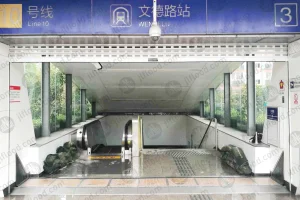
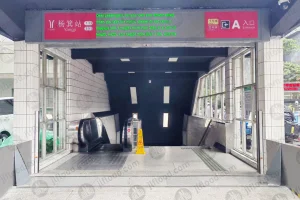
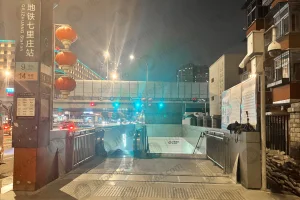
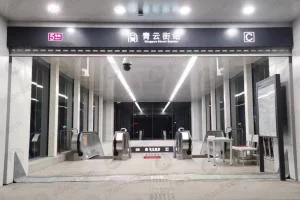
Subway entrance stairwells, ventilation shafts, and connection channels present significant urban inundation risks. Systems installed across metro networks (e.g., Guangzhou Metro, Dalian Metro, Beijing Subway, Hong Kong MTR) utilize surface-mounted or embedded hydrodynamic barriers. These units rest flush with passenger footpaths and automatically rise during extreme rainfall events to prevent water ingress into underground transit tunnels.
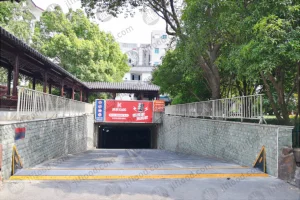
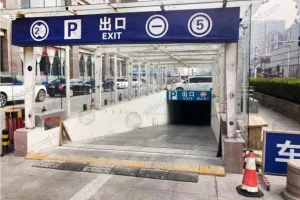
Parking ramps represent vulnerable pathways for urban runoff. Unpowered flip-up and hydrodynamic floating gates installed at driveway entrances allow vehicles to drive smoothly over the foundation frame under normal conditions. When floodwaters reach kerb level, the barrier automatically deploys without requiring building management intervention or emergency generator power.
Electrical substations and transformer vaults require continuous operational protection. Inundation can trigger regional blackouts and costly transformer replacement. High-wall unpowered automatic flood barriers provide passive, 24/7 perimeter defense for unmanned utility sites.
Manufacturing facilities handling hazardous chemicals or sensitive electronics require reliable containment barriers. Custom modular array flood gates can span driveways exceeding 20 meters, sealing hazardous chemical runoff or blocking coastal storm surges without relying on local power grids.
Wholesale pricing for automatic unpowered flood barriers depends on several engineering metrics: retaining height (mm), clear span width (m), load-bearing rating (pedestrian vs. 40-ton truck axle load), frame material (SS304 vs SS316), and mounting configuration (surface-mounted vs embedded trough).
| Model Category | Typical Retaining Height | Max Single Leaf Span | Primary Material Specs | Vehicle Load Rating | Indicative Factory FOB Price Range |
|---|---|---|---|---|---|
| Light Surface-Mounted Flip-Up | 300mm – 600mm | Up to 4.0 meters | Alloy 6063-T6 / SS304 | Pedestrian / Light Car (3T) | $280 – $450 / Meter |
| Standard Hydrodynamic Embedded | 500mm – 1000mm | Up to 6.0 meters | Alloy 6063-T6 / SS304 Trough | Heavy Vehicle (20T - 40T) | $480 – $750 / Meter |
| Heavy-Duty Metro Structural Gate | 800mm – 1500mm | Modular / Unlimited | Alloy 6005-T6 / SS316 Casing | Extreme Axle Load (40T+) | $780 – $1,250 / Meter |
| Custom Substation Vault Barrier | 1000mm – 2000mm | Custom Widths | Heavy SS316 + Reinforced EPDM | Industrial Equipment Access | Custom Direct Quote |
1. Civil Trench Surveys: Confirm concrete compressive strength (minimum C30/C35 grade) and verify drainage connection outlets at the bottom frame.
2. Load Class Matching: Ensure specified vehicle axle ratings reflect actual traffic conditions (e.g., fire truck access requirements require AASHTO HS-20 or EN 124 D400 ratings).
3. Sealing Longevity: Request EPDM rubber aging test reports and chemical exposure ratings.
4. Freight & Packaging: Verify sea-freight reinforced wooden crate packaging to protect precision linear bearing pivots and aluminum leaf edges during transit.
Technical guidance for consulting engineers, municipal specifiers, and global wholesale purchasing managers.
Browse additional unpowered self-closing flood barrier configurations designed for metro station connection channels, substation perimeters, and surface-mount garage retrofits.