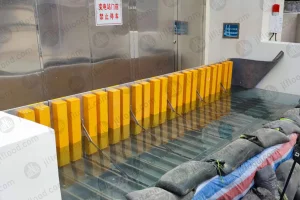
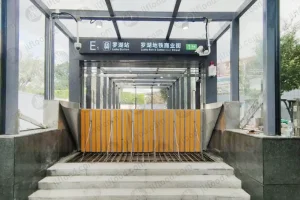
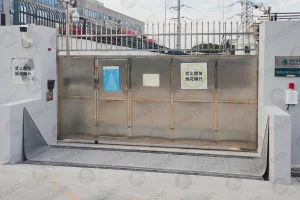
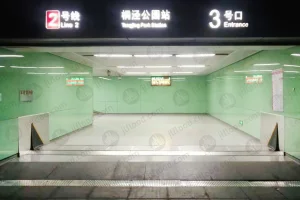
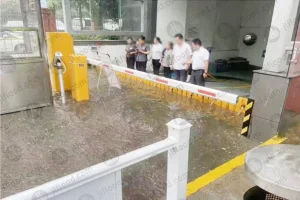
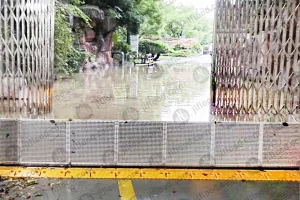
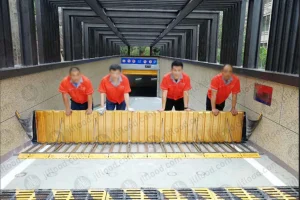
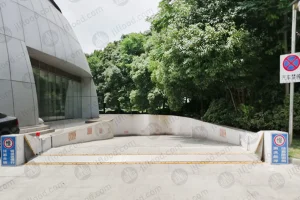
Explore our premier engineered barrier assemblies tested for metro systems, electrical substations, commercial parking garages, and urban civil defenses.
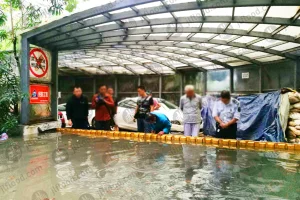
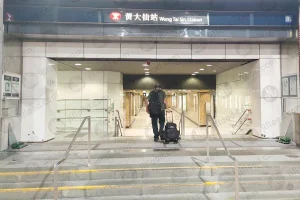
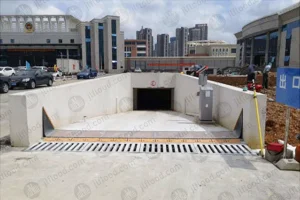
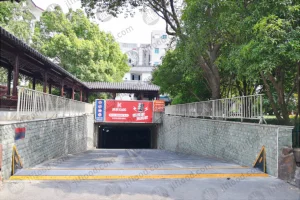
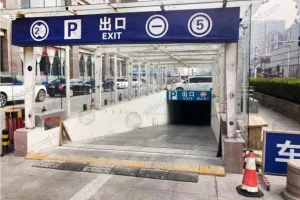
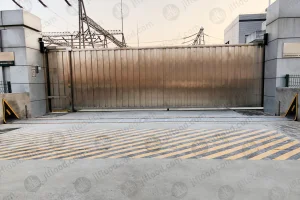
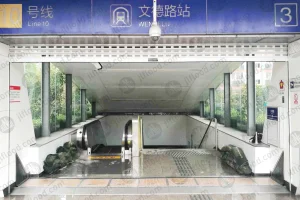
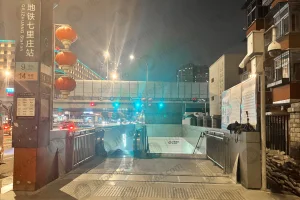
Urban waterlogging, intensified typhoon activity, and extreme storm surges have fundamentally altered the global risk landscape for critical underground infrastructure. Commercial real estate developers, municipal transit authorities, power grid operators, and industrial park engineers are moving away from traditional, reactive flood barriers toward passive, autonomous perimeter defenses. Historical dependence on manual aluminum stop-logs or sandbags presents critical vulnerabilities: labor delays during unexpected nocturnal downpours, human deployment errors, and logistically blocked access roads during municipal emergencies.
As standard-setting engineering entities prioritize resilient infrastructure design, zero-electricity automatic flood barriers have emerged as the global benchmark. According to recent B2B purchasing surveys across North America, Europe, and the Asia-Pacific region, over 74% of municipal procurement tenders for underground transit protection now mandate unpowered mechanical automation. Hydrodynamic flood gates leverage incoming floodwater buoyancy to deploy automatically without motor drives, electrical sensors, grid dependency, or human intervention—eliminating single points of failure during storm-induced power blackouts.
Deploys purely on Archimedes' buoyancy principle. As floodwater flows into the ground chamber, buoyancy and hydrostatic pressure automatically raise and seal the panel in seconds.
Zero electrical wiring, actuators, or battery backups required. Operates perfectly during catastrophic municipal power grid collapses when storm surges occur.
Engineered with 6063-T6 architectural grade aluminum structural matrix supporting up to 30-ton vehicle crossing loads for uninterrupted daily traffic.
The core technology behind leading China automatic flood gate exports lies in the precise balance between structural mechanics, fluid dynamics, and elastomeric sealing systems. Unlike conventional motorized gates that rely on water level sensors, relays, and hydraulic rams, hydrodynamic self-closing barriers function as passive mechanical equilibriums.
The automatic flood barrier is recessed flush into a pre-cast concrete foundation trench at driveway or doorway thresholds. The system consists of three fundamental structural modules: a heavy-duty embedded bottom chassis, a rotatable hollow door panel with internal buoyancy chambers, and high-tensile EPDM dual-lip sealing gaskets along the perimeter.
When flash floods overflow the curb, water enters the front intake grates of the subterranean foundation tray. As the chamber fills, fluid displacement generates upward buoyant force $F_b$ calculated by:
Where $\rho$ is water density, $g$ is gravitational acceleration, and $V_{displaced}$ is the internal volumetric displacement of the sealed panel profiles. As the panel pivots upward to a 45-degree angle, hydrostatic pressure against the outer face locks the barrier tightly into its upright 90-degree retaining wall position, compressing the EPDM seals to stop water ingress.
Key structural parameters for municipal project bidding and OEM custom procurement:
For international EPC (Engineering, Procurement, and Construction) contractors, municipal engineering agencies, and commercial equipment importers, sourcing flood barriers directly from accredited China exporters requires analyzing technical compliance alongside total cost of ownership (TCO). Procurement managers must evaluate structural durability, lead time reliability, modular export packaging, and localized installation support.
Wholesale flood gate pricing depends on retaining height, clear opening span width, material alloy grades (e.g., 6063-T6 anodized aluminum vs. 304/316 stainless steel chassis), and vehicle load rating requirements. Below is a baseline cost matrix reflecting standard factory export pricing tiers:
| Barrier Type & Application | Standard Retaining Height | Material Composition | Load Bearing Capacity | Wholesale Price Range (USD/Meter) |
|---|---|---|---|---|
| Garage Modular Hydrodynamic Gate | 500mm – 1000mm | 6063-T6 Aluminum Alloy + EPDM Gasket | 20 – 30 Ton Truck Axle | $380 – $650 / m |
| Metro Station Embedded Barrier | 600mm – 1200mm | 304/316 Stainless Chassis + Reinforced Core | 15 Ton Pedestrian/Light Vehicle | $520 – $890 / m |
| Substation Gate Perimeter Barrier | 800mm – 1500mm | Anodized Structural Alloy + Anti-Corrosion | 25 Ton Heavy Utility Vehicle | $450 – $780 / m |
| Flip-Up Automatic Door Barrier | 400mm – 800mm | Compact Alloy Profile + Hydraulic Dampers | Pedestrian / Light Car | $320 – $540 / m |
| Heavy Duty Infrastructure Gate (Hm4d Series) | 1000mm – 2000mm | Reinforced Structural Steel & Stainless Plates | 40 Ton Heavy Freight | $750 – $1,350 / m |
Note: Pricing reflects volume FOB container shipments from OEM manufacturing facilities in China. Custom engineering dimensions, witness testing, and specialized freight crating are calculated per project specification.
Different physical openings present unique hydraulic, structural, and operational challenges. Tailoring barrier architecture to site geometry is necessary to prevent bypass leakage and structural failure under hydrostatic dynamic impact loads.
Driveway ramps are primary entry pathways for flash floods into basements. Embedded hydrodynamic gates lay completely flat on the ramp floor during dry periods, allowing continuous vehicle traffic. When surface run-off reaches kerb-overflow level, the gate raises autonomously, preserving parking structures and subterranean mechanical infrastructure.
Urban rail transit networks face catastrophic risks if floodwater enters tunnels. Modular embedded gates installed at subway station steps, connection passages, and ventilation shafts provide rapid perimeter isolation, protecting electrical signaling equipment and human safety.
Substation perimeter gates require continuous water-tight defense to maintain regional energy grids during severe storms. Surface-type automatic flood gates prevent water from reaching transformers, switchgear rooms, and subterranean cable trenches without requiring site personnel.
Large public venues, airport subterranean access, and hospital basements benefit from multi-leaf barrier arrays. Custom modular engineering allows single span coverage exceeding 20 meters using linked hydraulic panels with central removable mullions.
To comply with strict international tender guidelines (including ISO 9001 quality management, ISO 14001, FM Approvals, and European CE standards), high-capacity China exporters conduct rigorous factory acceptance testing (FAT) before dispatching shipments worldwide.
Every structural batch undergoes full-scale hydraulic pool testing in factory water retention pits. Testing procedures simulate extreme field conditions:
Exporter support packages include structural CAD integration drawings, civil embedment rebar detail templates, step-by-step English installation manuals, and remote video commissioning assistance for contractor teams.
While the mechanical operation of hydrodynamic flood gates remains strictly unpowered and self-buoyant for total reliability, modern urban flood management systems increasingly integrate non-intrusive monitoring telemetry. Advanced exports now include battery-powered IoT status transmitters (utilizing LoRaWAN, NB-IoT, or satellite signals).
These low-power sensors report real-time gate positioning (Stowed / Deploying / Upright Locked), foundation chamber water accumulation levels, and seal compression status directly to municipal Smart City command centers and facility management mobile apps—allowing urban managers to monitor perimeter defense status across hundreds of decentralized locations during a typhoon event.
Technical responses for consulting engineers, project contractors, and wholesale buyers.
The panel rests flush inside an embedded subterranean chassis frame. When floodwater overflows the surface and flows through the front intake grates into the chassis chamber, the displaced water creates upward hydrostatic buoyancy acting on the hollow aluminum door panel. As the water level rises, the panel floats upward automatically on its bottom hinge pivot, locking into position against the outer seals without requiring motors, wiring, or human intervention.
Yes. The panel assembly and surface chassis frame are engineered with high-strength structural extrusions (6063-T6 aluminum alloy or 304 stainless steel). Standard models support axle loads up to 20–30 tons (AASHTO HS20 / Eurocode compliance), allowing fire engines, delivery trucks, and daily passenger cars to drive over the barrier smoothly without structural deformation or seal degradation.
Installation requires excavating a shallow concrete trench across the entrance threshold according to the manufacturer's embedment drawings. The prefabricated stainless steel bottom chassis is lowered into the trench, leveled precisely, connected to the site drainage pipes, anchored into rebar, and backfilled with high-strength non-shrink concrete grout. Flush kerb transitions ensure smooth vehicle ingress and egress.
The surface intake grates are fully removable for routine maintenance inspections. The foundation chassis is designed with a sloped bottom drainage channel connecting to municipal storm drains. Periodic cleaning involves lifting the access grates to remove accumulated leaves or sediment and flushing the chamber with a water hose. EPDM seals should be inspected annually for wear and lubricated with silicone grease.
Standard factory lead times range from 15 to 25 days depending on total order line length and structural customization. Overseas orders are packaged in ISPM 15 certified reinforced wooden export crates with protective plastic wrapping, edge guards, and dedicated lifting lug points to prevent distortion during ocean container transit.
Explore additional certified flood protection gate models available for global export and OEM manufacturing.