Factory-direct hydrostatic and flip-up flood protection gates engineered for unpowered automatic deployment during flash floods and extreme climate events.
Rethinking Urban Flood Defense Mechanisms for Critical Infrastructure Assets
In an era characterized by intensifying climate volatility, urban pluvial flooding, and sudden cloudburst events, conventional active flood defense systems—such as electromechanical gates, hydraulic piston barriers, and manual demountable aluminum stop-logs—frequently exhibit catastrophic failure points. Electrical power grids are invariably the first utility layer to collapse during extreme severe weather events, leaving electrically dependent flood gates completely inoperable exactly when protection is required most urgently. Furthermore, human-operated manual barriers suffer from severe deployment bottlenecks, including labor shortages, traffic congestion delays, and imprecise weather forecasts that prevent timely installation.
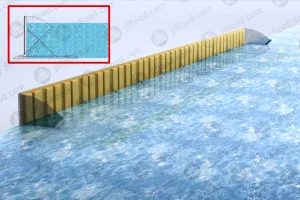
The engineering solution to these inherent vulnerabilities lies in the deployment of Wholesale Flip-Up Automatic Flood Baffles Without Electricity. Engineered on fundamental fluid mechanics and hydrostatic buoyancy principles, these passive flood defense mechanisms operate with absolute autonomy. Utilizing incoming surface floodwater as the sole energy source, hydrodynamic flip-up baffles trigger, rise, and self-lock without requiring human intervention, electronic sensors, hydraulic pumps, or auxiliary emergency power supplies.
Unlike standard modular barriers that require manual assembly or grid-tied motorized barriers susceptible to power cuts, hydrodynamic self-rising flood gates achieve 100% passive mechanical readiness. The water itself acts as the dynamic actuator, providing proportional lifting force aligned directly with rising water levels.
Delving into the Precision Mechanics of Buoyancy Chambers, Torque Leverages, and EPDM Hydro-Sealing
The operational reliability of non-electric flip-up automatic flood baffles rests upon a highly optimized triple-phase physical reaction: Inflow Hydrodynamics, Buoyant Angular Rotation, and Self-Energized Hydrostatic Sealing. Below is a detailed technical breakdown of how these structural components interact under real-world flooding conditions.
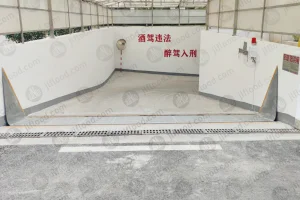
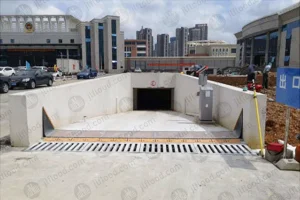
The barrier system is installed flush with the ground inside a recessed structural foundation trench. As surface run-off exceeds normal drainage thresholds and enters the front intake grating, water flows directly into the internal sealed reservoir chamber situated beneath the door panel.
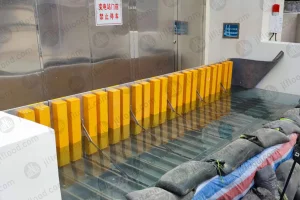
The floating baffle door panel contains high-density hydrophobic closed-cell structural core material. As water fills the basin chamber, net upward buoyant force overcomes the gravitational moment of the panel. The door automatically rotates upward along its heavy-duty AISI 316L stainless steel continuous pivot axle.
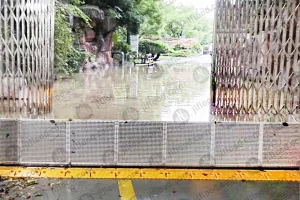
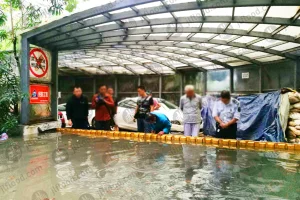
As the floodwater level rises against the deployed vertical door panel, horizontal hydrostatic pressure pushes the panel firmly against the reinforced side frame uprights. This action compresses multi-cavity EPDM gasket seals, creating a completely watertight containment seal.
To withstand extreme hydrodynamic impact forces, floating debris collision, and high-frequency vehicular traffic during dry periods, manufacturers employ military-grade and marine-spec materials:
Objective comparative engineering analysis across critical operational parameters.
| Performance Metric | Passive Hydrodynamic Baffles (Junli Technology) | Electric Motorized Drop/Rise Gates | Manual Demountable Stop-Logs |
|---|---|---|---|
| Power Dependency | 0% (Completely Autonomous Water-Powered) | 100% (Grid Power / High Risk during Outages) | 0% (Manual Assembly Required) |
| Response Time | < 0.5 Seconds (Instant Hydrostatic Trigger) | 30 - 180 Seconds (Electric Motor Drive) | 1 - 4 Hours (Requires Crew & Logistics) |
| Human Reliability Risk | Zero Risk (No Human Intervention Needed) | Medium Risk (Remote Control / PLC Failure) | Critical Risk (Human Delay, Traffic, Absence) |
| Maintenance Profile | Low (Periodic Trench Debris Cleanout & Seal Check) | High (Motor Servicing, Wiring, Backup Batteries) | Medium (Storage Management, Seal Aging) |
| Traffic Capability | Flush Installation / High Axle Load (D400) | Varies (Requires Overhead Rails or Ramps) | N/A (Barrier Blocks Portal Completely) |
| 20-Year TCO (Total Cost) | Extremely Low (Zero Energy & Minimal Parts) | High (Energy Consumption & Electrical Overhaul) | Moderate to High (Annual Deployment Drills) |
Engineered versatility across commercial, municipal, utility, and transportation infrastructure.
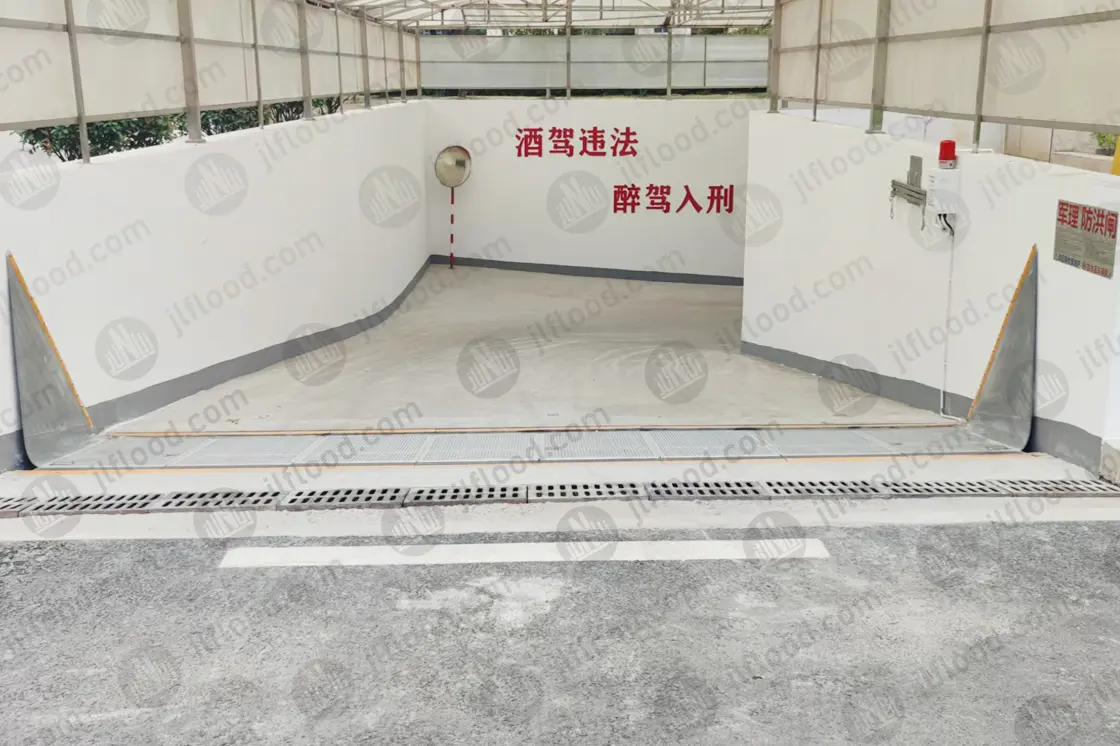
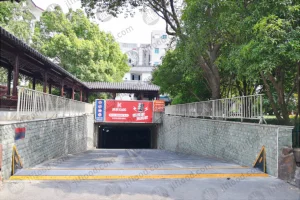
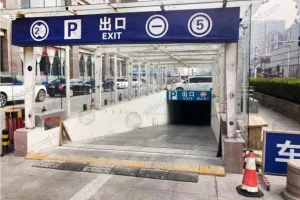
Subterranean car parks are notoriously vulnerable to swift pluvial inundation during urban storm events. Embedded flip-up automatic flood baffles installed at the crest or base of entrance ramps remain flat, enabling unobstructed, continuous vehicular access. When surface runoff pours down the ramp, the baffles automatically deploy, locking out water and preventing catastrophic vehicle submergence and building structural flooding.
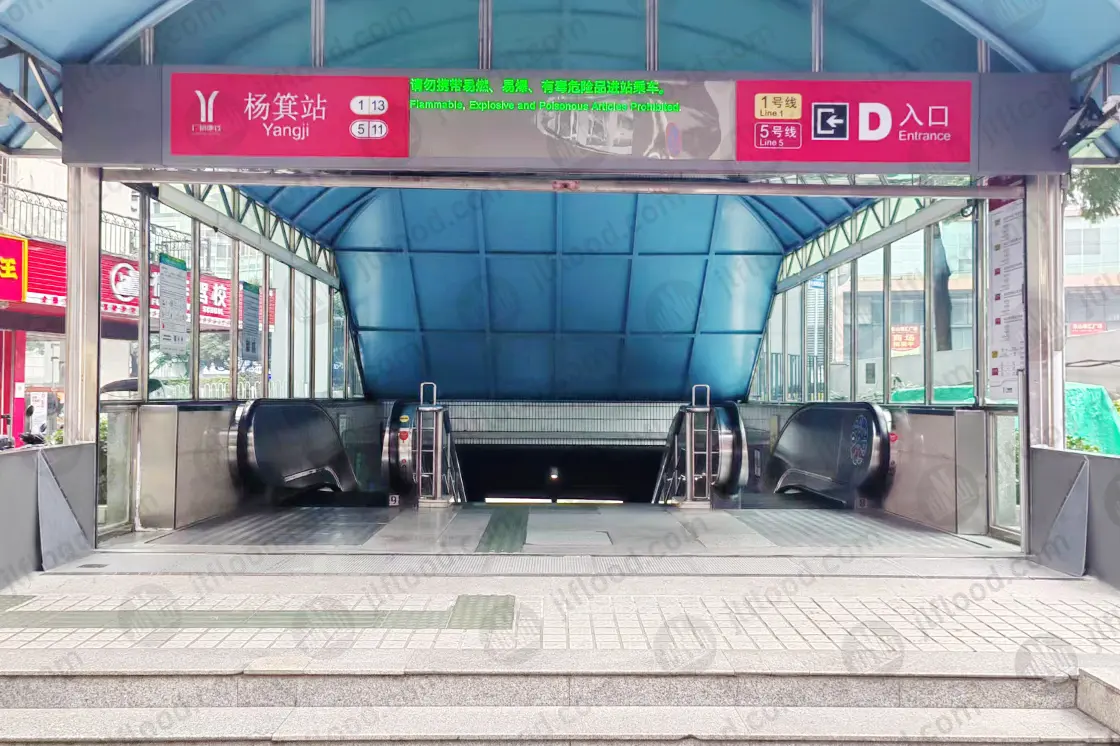
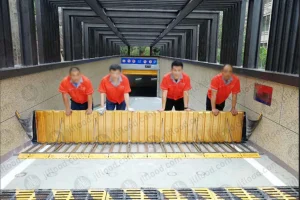
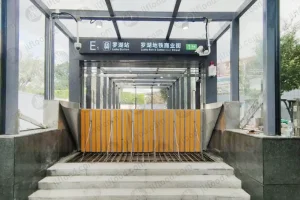
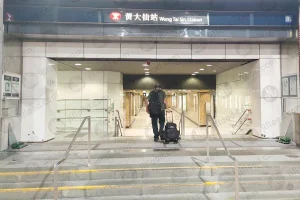
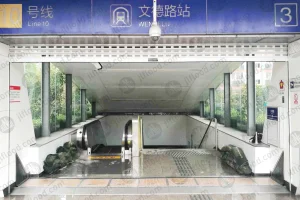
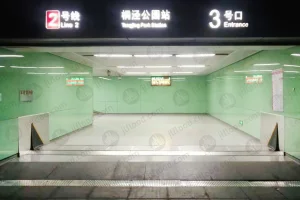
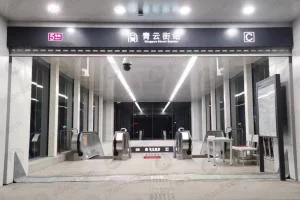
Subway networks demand zero-fail flood security. Unpowered flip-up systems installed at station entrance portals, ventilation shafts, and underground pedestrian connection channels provide instant line protection. Proven across major metro developments in cities like Guangzhou, Shenzhen, Suzhou, and Hong Kong, these barriers safeguard commuters and million-dollar traction power equipment.
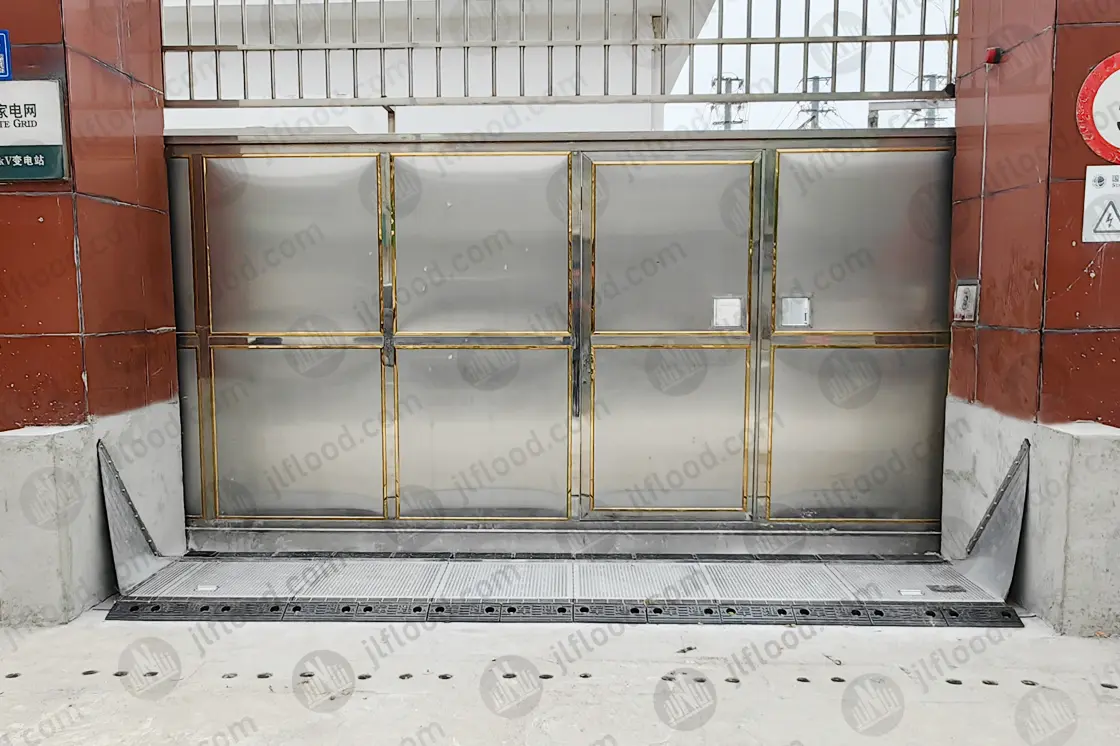
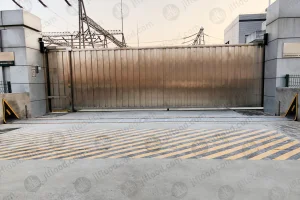
Flooding at an electrical substation can cause widespread regional grid blackouts and millions in equipment loss. Surface-mounted and embedded flip-up barriers protect perimeter gates, cable trenches, and switchgear room doors. Being completely unpowered, they guarantee operational integrity even during severe regional grid shutdowns.
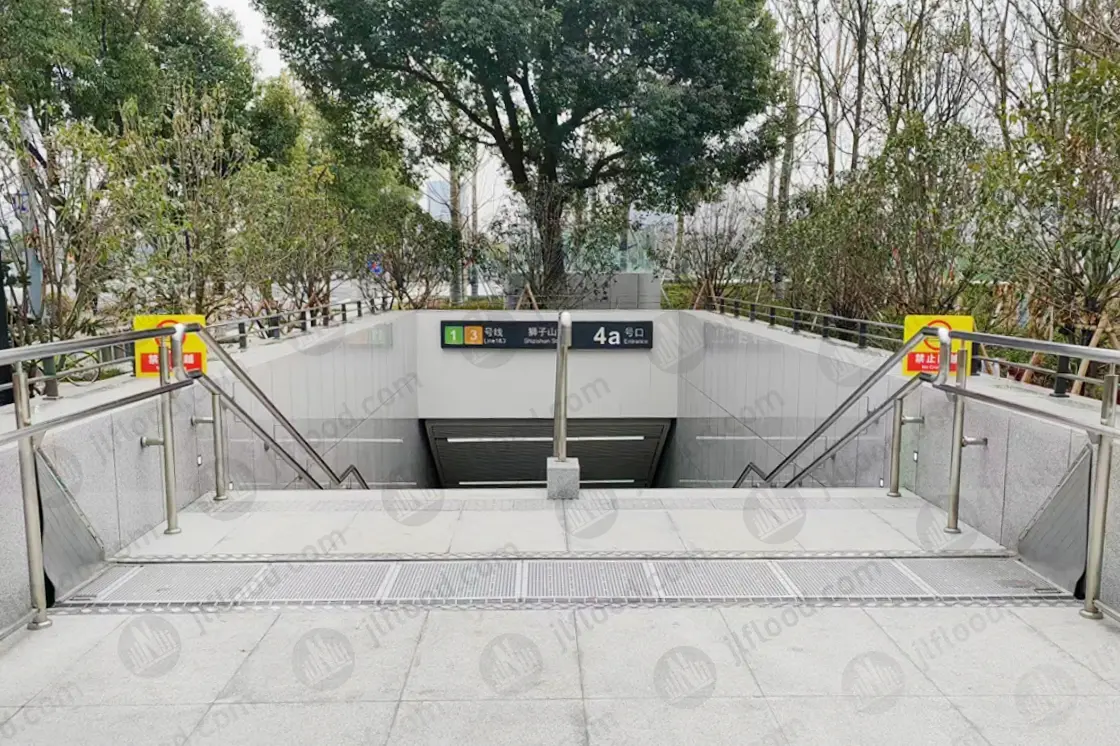
Essential public health and emergency services must maintain unbroken operation during climate disasters. Flip-up baffles installed at emergency room access doors, basement data hubs, airport service tunnels, and civil defence shelters ensure automatic, maintenance-light flood isolation without relying on facility staff during emergencies.
Integrating IoT Telemetry, Advanced Composite Materials, and Climate Resilience Standards
While mechanical autonomy remains the gold standard for ultimate fail-safe security, the future of flood control engineering relies on combining passive physics with smart diagnostic monitoring. Technology leaders like Nanjing Junli Technology Co., Ltd. are driving key innovations across next-generation flip-up systems:
Integration of self-powered ultra-low-power Narrowband IoT (NB-IoT) micro-sensors within the basin trench. These sensors transmit real-time deployment status, water height telemetry, and basin sediment levels to central Smart City control rooms via solar/battery micro-nodes.
Developing light-weight carbon-fiber and graphene composite floating panels. These materials reduce mechanical weight by up to 40% while doubling structural impact resistance against heavy flood-borne debris collisions.
Incorporating hydrodynamic fluidic channels that utilize normal rainwater flush cycles to push silt, leaves, and street debris into accessible trap baskets, extending maintenance intervals from 6 months to 24 months.
Why Nanjing Junli Technology Delivers Unrivaled Cost-Performance, Precision Engineering, and Global Delivery
Sourcing large-scale structural flood protection equipment requires strict evaluation of manufacturing capability, metallurgical quality, scale, and delivery timelines. China’s advanced manufacturing ecosystem—specifically centered in the Nanjing industrial belt in Jiangsu Province—offers global EPC contractors and distributors decisive strategic advantages:
Equipped with high-power 20,000W CNC fiber laser cutters, automated heavy-plate bending machines, and robotic seam welding stations. Every barrier frame achieves dimensional tolerances within ±0.5mm, ensuring flawless field embedment.
Unlike trading companies that rely on 3D renderings, Junli operates a dedicated full-scale hydraulic testing pool. Every bespoke barrier configuration undergoes rigorous water-retaining verification, leakage measurement, and structural deflection testing prior to dispatch.
Direct local access to raw stainless steel foundries, marine-grade aluminum extruders, and polymer elastomer plants enables 50% faster lead times compared to European or North American fabricators, combined with substantial wholesale cost savings.
Navigating Building Codes, Insurance Directives, and Environmental ESG Mandates
International commercial real estate developers, municipal infrastructure boards, and industrial asset managers face rising regulatory pressure from insurance underwriters (e.g., FM Global guidelines) and municipal stormwater codes to implement robust flood mitigation measures. Key global compliance frameworks include:
Seamless Field Execution: From Pre-Pour Embedment Templates to Routine Inspection
Proper civil interface design is vital to ensure zero water bypass around the embedded perimeter frame. Junli Technology provides comprehensive engineering support packages for global contractors:
Detailed trench structural drawing sets, rebar layout clearances, kerb integration details, and drainage pipe discharge sizing tailored to site-specific peak rainfall intensities.
Supply of structural steel embedment templates and anchor bolt arrays. The foundation trench is cast with high-strength non-shrink waterproof concrete (Class C35/C40).
Routine upkeep requires less than 30 minutes per unit: clear sediment from the collection sump basket, flush the drain line, inspect EPDM rubber seals for debris, and execute a manual lift test.
Explore our specialized modular, surface-mounted, embedded, and sub-station automatic flood gates available for direct wholesale supply.
Expert technical answers addressing common buyer, engineering consultant, and contractor inquiries.
The system operates entirely on Archimedes' principle of buoyancy and hydrostatic pressure. The floating baffle panel rests flush within a ground trench. When surface runoff enters the trench intake, water fills the lower basin, creating upward buoyant force that lifts the panel automatically. As the water level rises further, hydrostatic pressure forces the door against structural EPDM seals, establishing a robust watertight barrier without electric motors, wiring, or human intervention.
Standard retaining heights range from 0.5m to 2.0m per leaf panel. For single opening widths up to 6.0 meters, single continuous leaves are supplied. For wide spans such as multi-lane parking garage ramps or wide substation gates (10m to 30m+), modular intermediate post arrays are seamlessly joined to form continuous protection runs.
No. Standard driveway panels are constructed from high-strength 6063-T6 aluminum alloy extrusions or reinforced 304/316 stainless steel with heavy internal rib bracing. Designed to meet EN 124 load classes up to D400 (40 metric tons axle load) and optional F900 airport ratings, vehicles drive over the flush surface smoothly without damaging the internal mechanism.
The foundation trench features integrated stainless steel debris collection baskets and a sloped bottom connected to the facility’s storm drain. Routine maintenance involves opening the surface access hatch every 6 to 12 months to clear collected leaves or silt, inspecting the EPDM seals, and performing a simple manual lifting check.
We provide comprehensive engineering support including customized AutoCAD and BIM drawings, embedded frame templates, structural calculation packages, English installation manuals, and factory water-testing video verification reports for every order. Overseas engineer dispatch and remote commissioning support are available upon request.