
Direct Factory Supply · OEM/ODM Customized Widths & Retaining Heights · Real Water-Tested Infrastructure Solutions
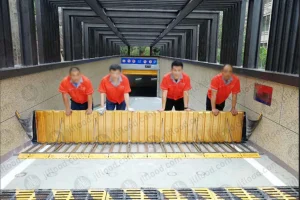
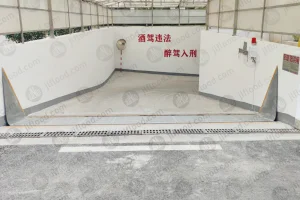

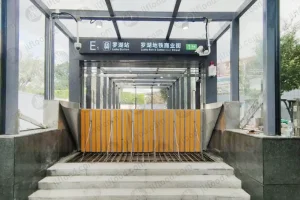
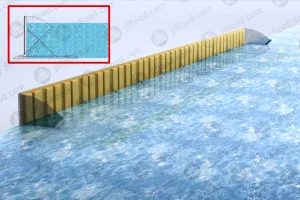
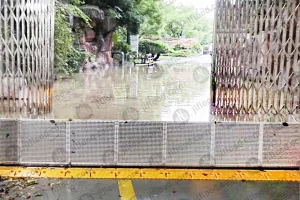
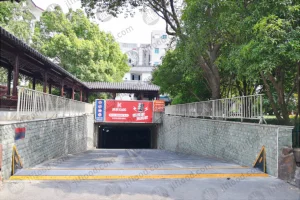
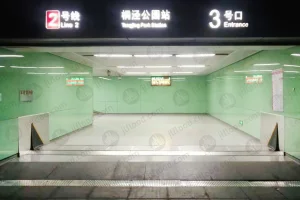
Urban flooding caused by rapid-onset pluvial events, cloudburst typhoons, and climate-induced sea-level surge represents one of the most critical threats to civil infrastructure, underground transport systems, and commercial property portfolios worldwide. In traditional flood mitigation engineering, temporary sandbag barriers, manually deployed aluminum stop-logs, and electric-powered pump systems were regarded as standard defense protocols. However, real-world disaster data gathered over the past decade demonstrates a severe systemic vulnerability: over 85% of catastrophic urban basement inundations occur concurrently with complete municipal power grid failure or severe labor deployment delays.
To bridge this critical safety gap, modern structural defense engineering has transitioned toward hydrodynamic automatic flood barriers and inflatable air-bladder dam systems. As leading Chinese wholesale flood barrier inflatable suppliers and precision equipment factories, our engineering facility specializes in manufacturing self-activating hydro-buoyancy and high-pressure pneumatic barrier matrices that operate with absolute mechanical autonomy—requiring zero external electric power, zero sensor network dependence, and zero emergency personnel intervention at the moment of water impact.
Information Gain Insight for Specifiers: Unlike traditional active barriers reliant on electric actuators, hydraulic pumps, or digital sensors that risk failure under submerged grid blackouts, hydrodynamic self-rising flood gates utilize fluid buoyancy and hydrostatic pressure heads as their sole driving mechanisms. Water itself becomes the activating fuel.
In global procurement tenders, procurement directors frequently evaluate two primary flexible-barrier paradigms: temporary inflatable rubber/TPU water dams and permanent recessed hydrodynamic self-rising flood gates. Both technologies represent significant leaps over legacy sandbags, yet serve distinct structural functions across municipal resilience programs:
Six Key Technological Pillars Engineered by China's Premier Flood Defense Laboratories
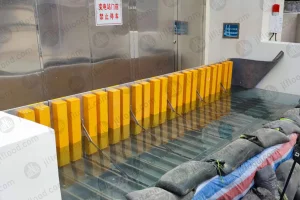
Eliminates power dependencies. The structural door leaf automatically tilts upwards as rising water levels fill the sub-surface basin chamber, achieving full sealing height in seconds.
Utilizes multi-layered co-extruded EPDM and high-tensile silicone seals engineered for chemical resistance, UV stability, and zero leakage under 2.0-meter dynamic static head pressure.
Structural finite element modeling ensures driveways accommodate up to 60-ton heavy cargo container trucks (AASHTO HS20 / Eurocode 4) during daily un-activated traffic passover.
Factory-engineered modular link panels allow seamless customization for entrance clear widths spanning from 2.0 meters up to 50+ meters without structural deflection.
For inflatable water dams, high-density 3D drop-stitch fabrics maintain linear rigidity and non-rolling horizontal stability under fierce hydrostatic river velocities.
Integrated micro-switches and wireless telemetry transmit real-time gate position alarms to central smart-city Building Management Systems (BMS).
The global market for civil flood protection equipment has undergone a profound shift. Sourcing managers and EPC (Engineering, Procurement, and Construction) contractors increasingly turn to certified Chinese manufacturing hubs—particularly specialized industrial clusters in Jiangsu and Zhejiang provinces—to fulfill complex municipal and commercial flood defense contracts. This preference is driven by clear structural and technological capabilities:
Inflatable flood barriers demand extreme seam shear strength to withstand hydro-dynamic drag forces during flash floods. Chinese factories utilize state-of-the-art 35kW High-Frequency Radio Frequency (RF) welding machines alongside automated thermobonding lines. This creates continuous molecular fusion along TPU and PVC composite fabric seams, eliminating structural cold-gluing weaknesses typical of low-tier workshops. Furthermore, embedded rubber seals undergo precision compression-molding processes to guarantee zero micro-porosity under multi-bar pressure.
For hydrodynamic self-closing gates and flip-up barriers, structural rigidity hinges on precision frame extrusions. Direct Chinese suppliers maintain integrated 10,000-watt fiber laser cutting beds, 800-ton CNC hydraulic press brakes, and automated robotic TIG welding cells. This allows for total control over structural tolerances (within ±0.5mm across a 6-meter span), ensuring smooth mechanical pivoting without binding risks during emergency deployments.
By leveraging localized supply chains for raw marine-grade aluminum, stainless steel hardware, and polymer resins, Chinese factories reduce procurement overhead while upholding strict international standards (ASTM F3190, CE Directive 2006/42/EC). Overseas distributors and municipal tender applicants gain a decisive 30% to 45% cost advantage compared to Western European or North American boutique fabricators, without sacrificing material performance or certified load testing.
Every building threshold presents unique civil engineering constraints, including varying pavement curb heights, trench drainage slopes, and embedded electrical conduit paths. China's engineering teams provide turnkey CAD layout drawings, finite element structural calculations (FEA), and Autodesk Revit BIM models within 48 hours of initial tender site survey submission.
Adapting Urban Infrastructure to 100-Year Storm Events through Intelligent Passive Engineering
The global flood mitigation market is rapidly evolving from reactive disaster recovery to proactive, resilient civil infrastructure design. Municipalities across East Asia, Europe, North America, and the Middle East are revising structural building codes to mandate mandatory zero-power flood protection barriers at all underground portals. Key macro trends shaping procurement include:
| Industry Trend | Traditional Approach | Modern Hydrodynamic / Inflatable Standard | Impact on Asset Values |
|---|---|---|---|
| Grid-Independent Actuation | Electric pumps / motor-driven gates requiring backup diesel generators. | Passive hydro-buoyancy mechanism; zero electricity consumed. | 100% operational uptime during storm-induced regional power outages. |
| Space & Urban Aesthetics | Bulky permanent concrete seawalls or unsightly post channels. | Flush recessed driveway installation; completely invisible until activated. | Preserves architectural integrity and unobstructed vehicle access. |
| Rapid Deployable Barriers | Labor-intensive sandbag stacking (requiring hours and heavy crews). | Self-activating within seconds, or rapidly inflated TPU air dams. | Reduces labor deployment costs by 95% and eliminates human error. |
| ESG & Sustainability | Single-use sandbags generating non-recyclable hazardous waste. | 20+ year reusable marine alloy and recyclable polymer assemblies. | Fulfills green building standards (LEED, BREEAM) and carbon goals. |
Tailored Engineering Solutions for High-Risk Municipal & Commercial Vulnerability Points
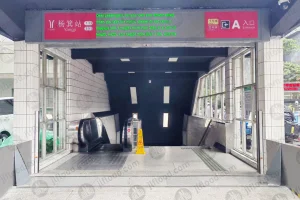
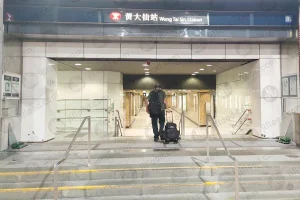
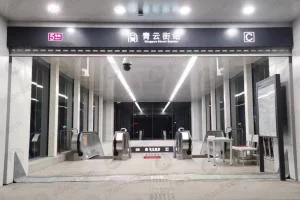
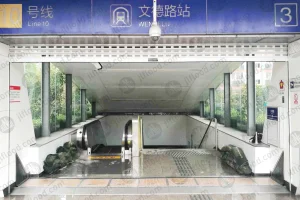
Subway stairwells and pedestrian connecting portals are prime conduits for water ingress. Surface-mounted or embedded automatic hydrodynamic gates lock shut before floodwaters reach track beds, protecting high-value transit assets.
Transformer vaults and switchgear rooms demand strict water-tightness (IP68 rating equivalent). Embedded flip-up gates and inflatable perimeter dams prevent short-circuit catastrophic failure across state-grid distribution networks.
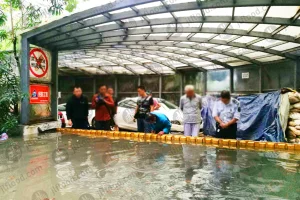
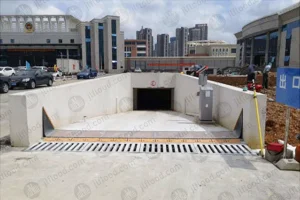
Commercial shopping center and residential basement parking ramps experience intense surface runoff accumulation. Flush-mounted ramp barriers withstand daily multi-ton vehicle driving while offering instantaneous hydro-activation during cloudbursts.
Municipal utility tunnels, underground street crossings, and shelter entrances utilize multi-panel interconnected flood barrier arrays to seal complex non-standard openings against severe river overflowing.
Loading docks and industrial inventory warehouses require wide-span protection. Portable inflatable water barriers provide flexible deployment around cargo bay doors during seasonal monsoons.
Critical healthcare emergency rooms and server data centers housed underground are protected against back-flow sewer surges and perimeter breaching by self-closing water gates.
When issuing Requests for Quotation (RFQ) or evaluating B2B suppliers for municipal flood gate projects, procurement officers should strictly enforce the following engineering criteria to avoid sub-standard installations:
Ensure the manufacturer supplies comprehensive FEA stress distribution reports. The structural panel must exhibit a safety factor of at least N=2.5 under maximum hydrodynamic design head pressure (including wave action dynamic impact multipliers).
No flood barrier is zero-leakage without proper elastomeric pre-compression. Procurement specifications should mandate a verified seal leakage rate below 0.5 Liters/Hour per meter of wetted perimeter length during full water tank pressure immersion tests.
For coastal saline environments or high-humidity underground tunnels, structural aluminum parts must undergo architectural-grade anodizing (>25 microns) or fluorocarbon (PVDF) powder coating. Steel embedding frames must be hot-dip galvanized to ISO 1461 standards with minimum 85-micron zinc thickness.
Heavy-duty structural gates must be shipped in reinforced, heat-treated ISPM-15 wooden cases lined with vapor-corrosion inhibitor (VCI) membranes. Domestic and international shipments must include:
Expert Answers to Common Engineering, Sourcing, and Technical Installation Queries
Complete Product Lineup Preserving Full Original Factory Models & Project Case Options
Send your opening dimensions, clear widths, required retaining heights, or site photos to our technical sales team. We deliver custom CAD drawings, FEA calculation reports, and factory-direct wholesale pricing within 24 hours.


