
Select certified water-retaining solutions manufactured for heavy-duty civil works, subway networks, and high-voltage substation perimeter security.
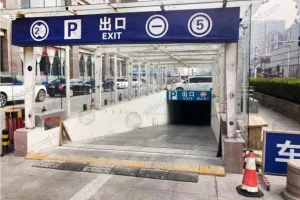
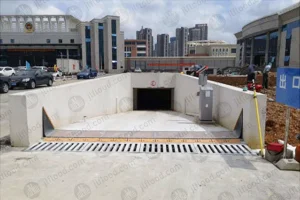
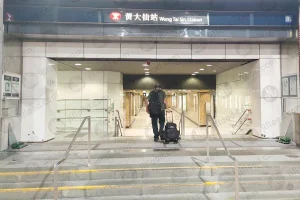
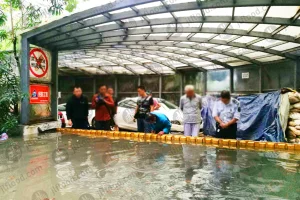
As extreme cloudburst events and urban flash flooding intensify globally, civil engineers and municipal infrastructure planners require unyielding, fail-safe water barrier systems. Modern urban hydro-resilience demands automated activation mechanisms that operate completely independent of human intervention and grid electricity.
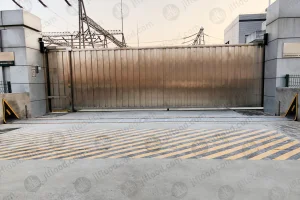
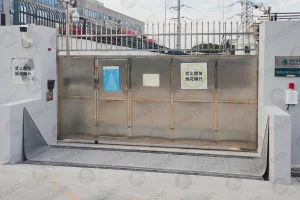
Electrical substations and critical energy hubs represent zero-tolerance flood zones. Water intrusion leads to explosive short-circuits, catastrophic transformer burnouts, and cascading blackout risks across entire metropolitan areas. Our specialized substation gates utilize surface-embedded and heavy-duty automatic barrier walls engineered with non-conductive dynamic sealing profiles to preserve power grid continuity under extreme hydrostatic pressure heads.
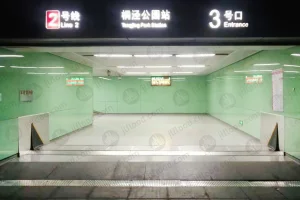
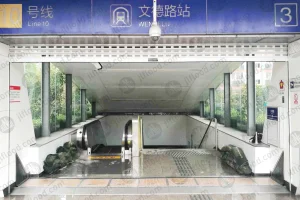
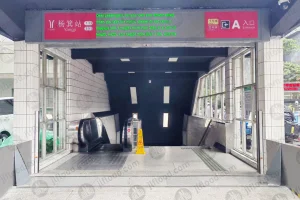
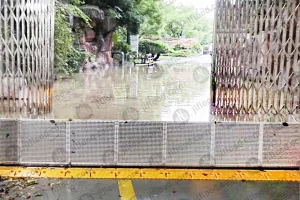
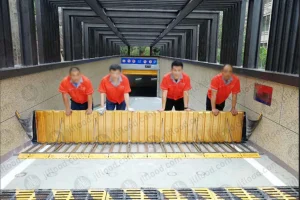
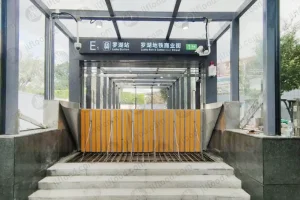
Subway tunnels and station connection channels act as natural conduits for raging surface runoffs during typhoons. Traditional manual sandbags or motorized flood gates frequently fail due to power loss or delayed site personnel response. Hydrodynamic automatic flood barriers deployed at subway entrances deploy automatically within seconds as rising water enters the bottom basin, forming an impenetrable barrier wall that guarantees public safety.
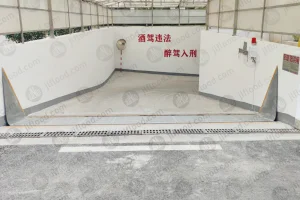
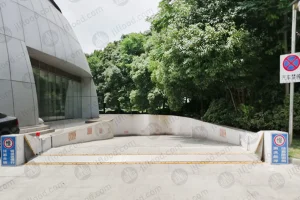
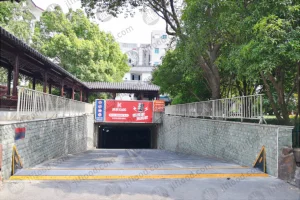
Subterranean parking structures, data center basements, and underground logistical corridors carry massive financial liabilities. Vehicles, structural foundations, and HVAC electrical vaults require non-intrusive barriers that remain fully flush with road surfaces to allow unimpeded traffic flow during dry weather, yet deploy effortlessly when flooding strikes.
Our patented hydrodynamic automatic flood gates operate completely without electricity, microprocessors, or manual monitoring. By exploiting fundamental fluid dynamics, hydrostatic pressure, and mechanical buoyancy balances, our barriers deliver pure physical reliability when electrical grids fail during major storms.
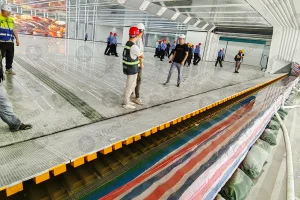
When storm runoff breaches established kerb thresholds, water flows into the underground recessed foundation tray. As the internal water level inside the chamber rises, natural buoyancy forces act upon the engineered hollow aluminium panel. Hydrostatic pressure behind the rising door panel automatically drives it upright, compressing dual continuous EPDM seals against the structural stainless-steel sidewalls. The higher the external flood height, the tighter the compression seal becomes.
| Structural Parameter | Hydrodynamic Self-Closing (Hm4d Series) | Embedded Automatic (Hm4e Series) | Flip-Up Mechanical System |
|---|---|---|---|
| Primary Material Matrix | T6063-T6 Structural Anodized Aluminum Alloy | SUS304 / SUS316 Stainless Steel Enclosure | Reinforced Structural Steel + Aluminum Composite |
| Activation Mechanism | Pure Hydrodynamic Buoyancy (0kW Power Requirement) | Water Buoyancy + Passive Hydraulic Dampening | Manual / Electro-Hydraulic Dual Drive Backup |
| Standard Retaining Heights | 500mm – 1200mm (Customizable to 2000mm) | 600mm – 1500mm Single Leaf Modular Spans | 300mm – 900mm Rapid Deployment Height |
| Load Rating Capacity | Axle Load: 20–40 Tons (AASHTO HS20 / EN 124 D400) | Heavy Machinery / Fire Truck Passage Capable | Standard Pedestrian & Passenger Car Load |
| Sealing Integrity Rate | Zero-Leakage Dynamic EPDM Elastomeric Compression | Double-Lip Synthetic Rubber Hydrostatic Gaskets | Bottom & Side Infill Compression Gaskets |
| Maintenance Protocol | Quarterly Silt Flush & Visual Seal Inspection | Semi-Annual Chamber Sediment Removal | Monthly Mechanical Hinge Lubrication Check |
Sealing performance is the cornerstone of effective flood mitigation. Our engineering team utilizes custom-extruded EPDM rubber compounds with high elasticity retention and ozone resistance. As hydro-static force builds, the secondary sealing flange deforms predictably into pre-machined steel grooves, creating a watertight barrier capable of withstanding dynamic wave actions and debris impacts without structural seal blowouts.
Extensive transit portals and industrial park entrances often span over 20 to 50 meters in width. Our modular hydrodynamic automatic flood gates employ intermediate removable mullions and interlocking leaf configurations. This modular architecture prevents excessive center-span deflection under high hydrostatic head levels while maintaining swift installation timelines for municipal contractors.
As a leading Chinese flood barrier manufacturer, our direct-factory infrastructure combines advanced robotics, high-precision laser cutting, and automated continuous welding processes. Operating from specialized manufacturing hubs, we maintain complete control over metal alloy composition, structural heat treatment, surface anodizing, and hydrostatic pool verification testing.
Whether you require customized dimensional profiles, specific RAL color powder coatings, or specialized structural mounting plates for civil concrete foundations, our engineering department provides comprehensive OEM/ODM manufacturing packages.
Procuring flood defence systems for municipal tenders or multinational corporations requires stringent adherence to international structural building codes and flood safety certifications.
Under maximum design water pressure head, barrier deflection must not exceed L/250 to L/500 depending on structural sensitivity. Our heavy-duty aluminum alloys and embedded stainless-steel subframes maintain absolute rigidity, guaranteeing zero binding or structural distortion during extended hydro-pressure cycles.
All factory processes comply with ISO 9001 (Quality Management), ISO 14001 (Environmental Management), and ISO 45001 (Occupational Health & Safety). Mill test certificates (MTC) according to EN 10204 3.1 accompany all metal raw materials, ensuring full traceability from furnace to field installation.
We provide localized engineering submittals including DWG/BIM drawings, detailed structural calculations, installation step-by-step videos, and remote video-commissioning support. Export packaging utilizes heavy-duty reinforced wooden crates designed for safe ocean and air freight handling worldwide.
Explore our full lineup of hydrodynamic flood control barriers, self-opening doors, and subway entrance systems available for wholesale global shipment.
In-depth technical answers addressing engineering design, installation mechanics, civil works interface, and maintenance standards for procurement officers and structural engineers.
Our hydrodynamic automatic flood barriers are engineered around pure fluid mechanics and natural buoyancy physics. They require zero electrical connection, sensors, hydraulic pumps, or human intervention. When floodwater reaches the ground installation trench, water enters the bottom chamber through intake grilles. As the chamber fills, Archimedes' buoyancy force lifts the internal hollow alloy panel upright. Hydrostatic pressure from the accumulating flood water pushes the panel tightly against vertical frame side-seals, locking it into a rigid water-retaining wall automatically.
When resting in the inactive flush position, our embedded flood barriers (such as the Hm4e-006C and Hm4d series) are designed to withstand heavy vehicular traffic. Reinforced aluminum alloy top-covers and internal heavy-duty stainless-steel ribs support axle weights up to 40 tons (compliant with AASHTO HS20-44 and EN 124 D400 standards). This permits daily passage of fully loaded fire trucks, commercial freight vehicles, and heavy buses without damaging the dynamic seal geometry beneath.
Embedded barriers require a concrete recessed foundation channel poured according to our engineering dimensional drawings. The civil works contractor must ensure a reinforced concrete grade of C30/C35 minimum with integrated rebar tie-ins. The bottom trench must connect to a gravity drainage pipe or sump pump connection to drain residual rainwater after storm events subside. Surface-mounted variants, conversely, require only flat, structurally sound concrete slabs and chemical anchor bolt installation.
Our foundation chambers feature integrated stainless steel debris grilles that prevent large leaves, stones, or trash from entering the flotation pocket. Fine silt that enters with storm runoff settles into designated sediment trapping channels at the bottom. Maintenance protocols recommend a periodic quarterly high-pressure water flush through access inspection ports to remove accumulated silt and preserve free panel floatability.
Yes. For wide spans, we configure modular multi-leaf barrier arrays joined by removable or submerged intermediate support columns (mullions). Each panel leaf operates independently or synchronously, enabling unlimited protection widths while keeping individual component weights manageable for shipping, civil installation, and long-term serviceability.
Contact our engineering desk today for customized CAD design submittals, factory-direct wholesale price quotes, and structural hydraulic calculations for your upcoming tender.


