Direct-from-factory flood mitigation equipment designed for rapid deployment, high hydrostatic pressure resistance, and zero-power automatic actuation.
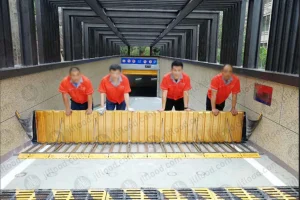

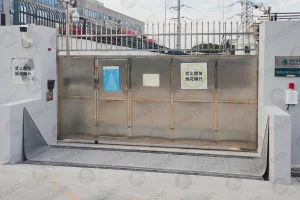
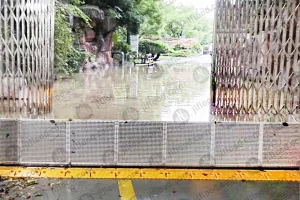
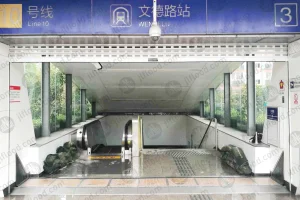
As climate change amplifies extreme precipitation events worldwide, municipal authorities, commercial real estate developers, and utility operators are replacing legacy manual sandbags with modular, hydrodynamic, and foldable flood gate equipment.
Modern flood mitigation relies on hydrostatic water pressure rather than electrical grid availability. Systems automatically deploy during flash floods even when regional power outages occur.
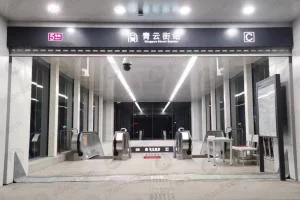
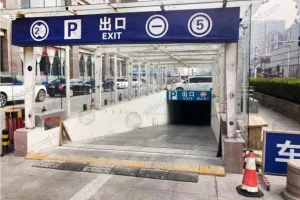
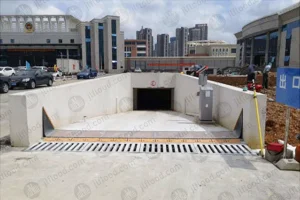
Metro networks, subterranean parking garages, and power distribution vaults represent high-risk flood vectors requiring zero-footprint, embedded, or foldable barrier systems.
Global procurement teams prioritize vendors providing full-scale hydraulic pool testing, finite element analysis (FEA), and proven seal longevity under heavy hydrostatic heads.
Understanding the physics, structural engineering, and elastomeric sealing behind high-performance foldable and self-closing flood gates.
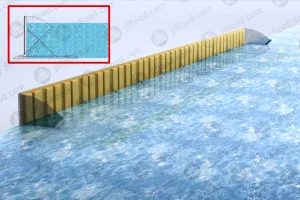
The core operating mechanism of foldable flood barrier equipment is engineered around fluid dynamic buoyancy principles. The barrier panel rests flush within a stainless-steel ground recessed frame under dry conditions. As floodwaters swell and overflow into the bottom retention reservoir, the buoyant structure density differential forces the primary leaf to pivot automatically upward.
Hydrostatic force against the submerged leaf face creates a self-reinforcing mechanical wedge against the side jamb seals, guaranteeing that higher water levels directly increase sealing compression.
To withstand extreme physical impact from floating flood debris and vehicular traffic loads (up to H20/HS20 loading specs), modern suppliers utilize high-tensile structural alloys:
| Feature Parameter | Hydrodynamic Automatic Flood Barrier | Manual Foldable Aluminum Wall | Electric Motor-Driven Barrier |
|---|---|---|---|
| Power Requirement | 0 kW (100% Passive Hydrodynamic) | 0 kW (Manual Assembly Required) | 2.2 kW – 7.5 kW (Fails during blackouts without UPS) |
| Deployment Time | Automatic (< 30 seconds upon flood entry) | 30 – 120 minutes (Labor dependent) | 15 – 45 seconds (Motor drive speed) |
| Drive-Over Axle Load | Up to 40 Tons (T-60 Heavy Vehicle Rating) | N/A (Must be erected post-traffic) | Up to 20 Tons (Depends on trench cover) |
| Sealing Material | Co-extruded EPDM + Silicone Lip Seal | Neoprene Gaskets | Standard Rubber Strips |
| Maintenance Frequency | Bi-annual inspection & debris flush | Annual gasket check & dry storage | Quarterly motor, battery & sensor service |
From advanced robotic welding to integrated raw material processing, Chinese flood barrier factories offer unmatched scale, customization capability, and cost efficiency for international distributors.
Chinese production hubs integrate aluminum extrusion mills, stainless steel precision machining, and custom rubber vulcanization within localized radii. This minimizes procurement lead times and enables rapid scaling of bulk orders.
Leading factories deploy multi-axis laser cutting machines and robotic TIG/MIG welding cells. High-precision manufacturing ensures exact alignment for embedded frame channels and zero seal gap tolerances.
Wholesale buyers can specify custom entrance widths (ranging from 1.5m single doors to 30m multi-span arrays), custom retaining heights, anodized surface colors, and tailored civil engineering mounting flanges at direct wholesale pricing.
Custom structural configurations tailored to specific urban civil architecture and infrastructure vulnerabilities.
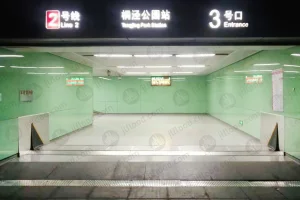
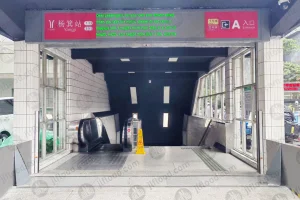
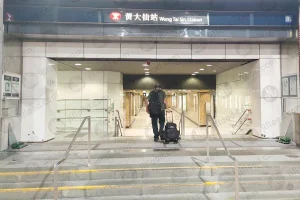
Subway portals act as funnel points during cloudburst rainstorms. Hydrodynamic surface-mounted or flush-embedded automatic flood gates prevent rapid inundation of underground concourses and tracks.
Key Requirement: Must support foot traffic when retracted flat, withstand high pedestrian loads, and engage automatically without station master intervention during off-peak night hours.
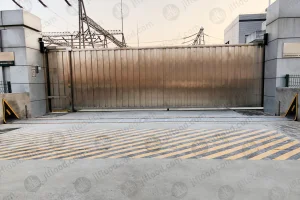
Flooding at an electrical substation triggers catastrophic regional blackouts and millions in equipment replacement costs. Perimeter flood gates and transformer room barrier doors secure vulnerable openings.
Key Requirement: Non-conductive isolation barriers, watertight sealing against continuous standing head pressure, and zero electric spark risk during deployment.
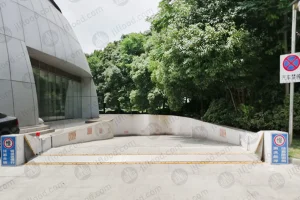
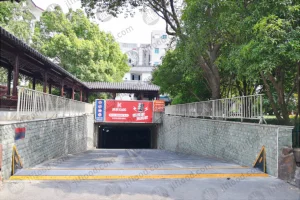
Vehicle entry ramps represent the single largest water entry point for modern multi-story buildings. Surface-mounted flip-up barriers or floor-recessed self-closing gates seal driveway openings.
Key Requirement: High structural axle-load capacity for heavy SUV and delivery truck drive-over, coupled with low profile maintenance frames.
Industrial facilities storing hazardous materials must contain hazardous runoff during floods and prevent river overflow from breaching plant boundaries.
Key Requirement: Chemical-resistant EPDM rubber compounding, heavy-duty stainless steel SUS316 construction, and integration with site water monitoring SCADA networks.
Essential verification steps for EPC contractors, engineering consultants, and B2B wholesale buyers sourcing flood barrier equipment internationally.
Demand 100% full-scale hydraulic pool testing before shipment. Test protocols verify seal leakage rates (mL/min/m) under target hydrostatic heads.
Insist on mill test certificates (MTC) for alloy composition (EN 755 / ASTM B221) and rubber aging resistance test reports (ISO 188 / ASTM D573).
Heavy equipment requires reinforced sea-freight wooden crate packaging, anti-corrosion VCI wrapping, and labeled installation hardware kits.
Choose suppliers offering full BIM/CAD installation drawings, video commissioning guides, and localized field engineering support.
Addressing core inquiries from structural engineers, procurement managers, and global distributors.
Explore specialized models for substation gates, embedded garage ramps, metro connection channels, and flip-up automated barriers.