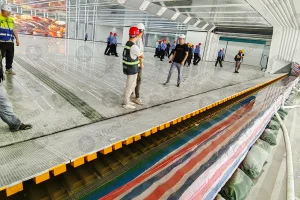
Explore our core certified wholesale product line engineered for automatic hydraulic activation without electrical dependency.
In an era defined by intensifying hydrological volatility, rapid urbanisation, and coastal infrastructure stress, extreme rainfall events (cloudbursts) and catastrophic flash floods pose unprecedented threats to built environments. Global municipal authorities, civil engineers, real estate developers, and industrial asset managers face a critical challenge: traditional flood protection mechanisms—such as manual sandbagging, temporary aluminum demountable stop-logs, and electrically powered flood gates—frequently fail during real-world flood scenarios. The systemic vulnerabilities of these legacy systems are well-documented: manual deployment requires human intervention during dangerous weather conditions, while electrical gates depend on municipal power grids or emergency generators that are often destroyed or disabled during early-stage flooding.
As a leading Wholesale High Quality Pop-Up Flood Gates Manufacturer & Supplier, our engineering core focuses on eliminating human error and electrical failure points through Hydrodynamic Passive Deployment Technology. Pop-up flood barriers represent a monumental paradigm shift in structural hydraulic engineering. Designed to sit flush embedded within ground level, driveway ramps, or subterranean building perimeters during dry conditions, these barriers deploy automatically via pure fluid mechanics (hydrostatic pressure and hydrodynamic buoyancy) when surface runoff reaches critical water levels.
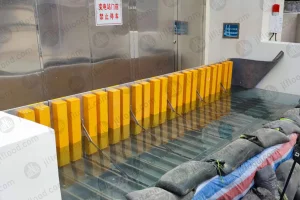
By leveraging intrinsic water buoyancy and pressure vectoring, hydrodynamic pop-up gates achieve absolute operational self-sufficiency. When water flows into the subterranean catchment basin, the buoyancy chamber generates vertical lift, swinging or popping the retaining panel into a locked 90-degree protective barrier without human action, battery backups, or external sensors.
This whitepaper serves as an exhaustive procurement and technical manual for civil infrastructure specifiers, structural consultants, global distributors, and EPC contractors seeking high-grade, certified pop-up flood defense solutions engineered for multi-decade durability.
Utilises integrated high-density hollow structural chambers that trigger automatic deployment upon fluid entry, requiring 0% electrical energy and zero human supervision.
Employs military-grade, UV-resistant EPDM rubber matrix profiles providing absolute liquid containment along floor tracks and side jambs under extreme hydrostatic heads.
Reinforced with high-tensile T6063-T6 marine aluminum alloy or SUS304/SUS316 stainless steel framework to withstand hydrostatic impact loads exceeding 40 kN/m².
The operational cycle of a pop-up flood barrier is governed by foundational fluid dynamics principles (Archimedes' principle and hydrostatic head leverage). The frame structure is embedded seamlessly flush into the floor slab, covered by a heavy-duty top plate capable of carrying vehicular traffic up to EN124 Load Class D400 (40-ton axle loads). Under standard conditions, vehicles and pedestrians move freely over the embedded gate housing without disruption.
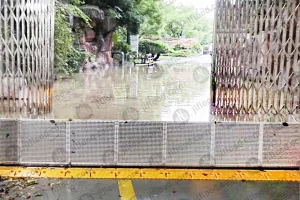
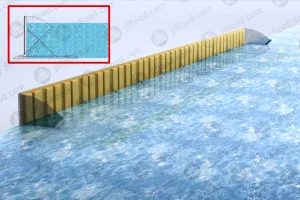
When heavy water runoff bypasses primary drainage grates, surface fluid enters the embedded foundation trench via inlet channels. As the water level inside the trench ascends, the structural buoyancy density differential forces the hinged door panel to float upwards. As the water head escalates, hydrostatic pressure pushes the gate panel firm against the side frame seals, creating a tighter seal as water rises. Once the floodwaters recede, water within the subterranean frame drains naturally through dedicated non-return gravity valves, allowing the pop-up panel to smoothly return to its flush baseline position.
Global procurement directors and project engineers frequently evaluate the trade-offs between localized European/North American fabricators and Chinese specialized manufacturing hubs. Over the past decade, China has transitioned from high-volume assembly to becoming the premier world leader in advanced hydraulic engineering, smart civil defense manufacturing, and specialized aluminum structural extrusion.
Sourcing wholesale pop-up flood gates directly from premier Chinese manufacturers like Junli Technology delivers distinct structural and commercial competitive advantages:
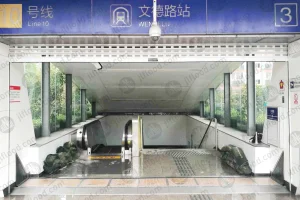
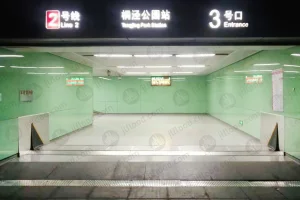
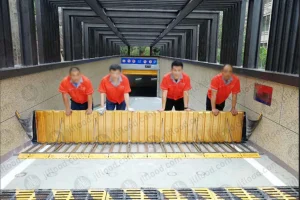
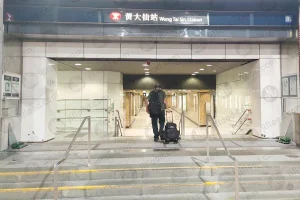
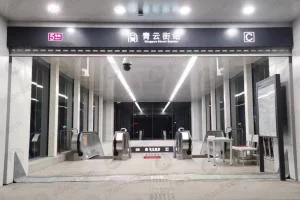
Protection of subway entrances, connection pedestrian channels, ventilation shafts, and underground concourses. Integrates zero-threshold flush mounting to allow unrestricted passenger flow while sealing instantaneously against catastrophic flash flooding.
Disaster mitigation for high-voltage grid substations, transformer vaults, and telecom exchange centers. Unpowered automated deployment ensures power grids remain operational even when surrounding municipal zones suffer complete electrical blackout.
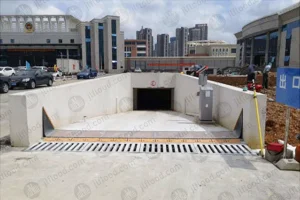
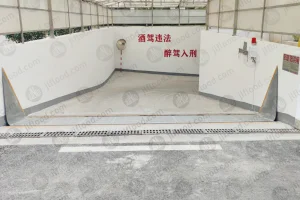
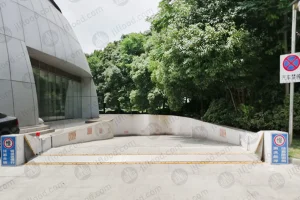
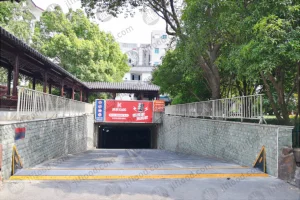
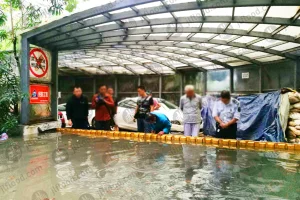
Wide-span driveway ramp protection for multi-story shopping malls, luxury residential towers, and hospital parking basements. Heavy-duty construction handles heavy transit traffic while preventing catastrophic multi-million dollar vehicle and facility losses.
A critical consideration during flood barrier selection is the structural civil works interface. High quality pop-up flood gates are engineered in two primary mechanical mounting formats to accommodate both new greenfield developments and complex brownfield retrofits:
1. Embedded Hydraulic Foundation Trench (Flush Installation): Ideal for new municipal construction, subway station portals, and prestige commercial real estate. The stainless steel housing frame is cast directly into a pre-excavated concrete trench during driveway or entrance slab construction. When inactive, the top panel lies completely flat with zero elevation change, preserving aesthetics and accessibility compliance (ADA compliant). Drainage conduits linked to stormwater drainage or gravity sump pumps are connected directly to the base trench frame.
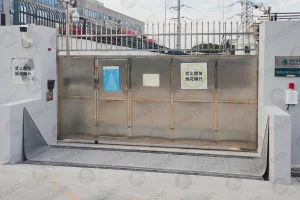
2. Surface-Mounted Automatic Flip-Up Systems (Retrofit Solutions): Designed specifically for existing buildings where ground trench excavation is restricted due to subterranean utilities, post-tensioned concrete slabs, or budget constraints. The surface-mounted frame attaches directly onto existing level concrete surfaces using chemically anchored stainless steel expansion bolts. Modular side ramp transitions ensure vehicles drive smoothly over the low-profile baseline frame.
To ensure high quality performance and mitigate project risk, international procurement teams must execute strict technical due diligence before selecting a wholesale supplier. Below is the mandatory engineering criteria established by leading structural flood consultants:
Demand documented factory test certificates validating sealing efficacy under maximum design water head. Standard acceptable leakage for passive systems must not exceed 0.5 liters/hour per linear meter of seal length under static load.
Ensure structural calculation reports evaluate both hydrostatic pressure (standing water) and hydrodynamic dynamic impacts (waves, moving currents, floating debris collisions) using ISO or ASTM safety factors (typically 1.5x to 2.0x design head).
For coastal urban installations, verify that aluminum components undergo minimum 25-micron architectural anodization or fluorocarbon PVDF powder coating, and all hardware utilizes Grade 316 stainless steel to prevent galvanic corrosion.
Explore additional specialized, factory-direct automatic barrier models for metro, substation, and garage civil applications.