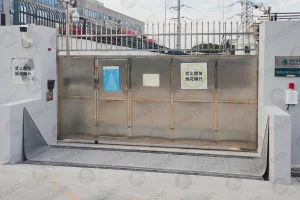
Direct-factory engineered modular flood doors and self-closing barriers. Tested under hydro-dynamic head pressure for rapid enterprise deployment.
In an era characterized by climate volatility, extreme rainfall events, atmospheric rivers, and urban waterlogging, global commercial and public infrastructure assets face unprecedented threat levels. Underground parking complexes, metro stations, high-voltage electrical substations, and industrial manufacturing plants represent the high-risk frontline of urban flood damage. The cost of flooding extends beyond immediate asset loss; business interruption (BI), catastrophic equipment breakdown, regulatory penalties, and reputational damage can devastate enterprise continuity.
Modern civil engineering has undergone a structural paradigm shift: moving away from manual, labor-intensive barrier installation (such as temporary sandbags or manual aluminum stop-logs) toward autonomous, modular, power-free hydrodynamic flood doors. Enterprise procurement managers, engineering consultants, and EPC contractors worldwide are actively sourcing wholesale modular flood door systems that offer unyielding structural integrity, continuous zero-power standby operational readiness, and verifiable ROI through risk mitigation.
How passive buoyancy mechanics eliminate human error and grid dependence during extreme flooding disasters.
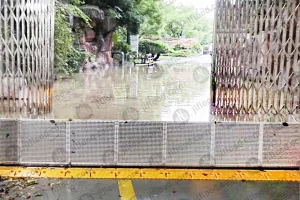
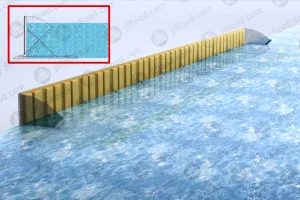
Unlike conventional electric flood gates that fail during power outages, Junli’s hydrodynamic modular flood doors operate on fundamental fluid dynamics. As floodwaters approach the barrier embedment chamber, water enters the base trough, generating natural hydrostatic buoyancy. This force lifts the door leaf automatically, sealing the ingress path before water reaches critical levels inside the building footprint.
Manufactured using high-strength 6063-T6 marine-grade extruded aluminum alloy profiles or 304/316 stainless steel frame assemblies. Engineered to withstand intense hydrostatic static pressure heads (up to 2.0 meters) and high-velocity hydrodynamic surge impacts caused by debris or urban vehicle displacement during severe storms.
Incorporates specialized vulcanized EPDM rubber sealing strips with high elasticity and anti-aging properties. Under water pressure, the seal compresses dynamic structural contact points, reducing water leakage to virtually 0 L/h per linear meter—surpassing international municipal flood defence requirements.
Understand pricing variables, custom engineering specifications, and volume purchasing economies for industrial projects.
When procuring modular flood doors wholesale, unit costs are determined by clear span width, retained water height, dynamic loading ratings, and material metallurgy. Below is an architectural baseline comparison matrix outlining operational expenditure, installation complexity, and long-term asset value across flood barrier technologies:
| Barrier Technology Type | Activation Method | Grid Power Dependence | Human Intervention | Est. Price Index (per m) | Maintenance Lifecycle |
|---|---|---|---|---|---|
| Hydrodynamic Automatic Modular Flood Door | Passive Buoyancy / Hydro-Pressure | Zero Power Required | 0% Unattended | Wholesale Factory Direct | Low (Annual Seal Visual Inspection) |
| Electric Motorized Lift Flood Barrier | Sensor / Electric Motor Driven | High (Needs Backup Gen) | Automated / Sensor Dependent | High (Plus Wiring & Control Box) | High (Motor Calibration & Battery Tests) |
| Manual Modular Aluminum Stop Logs | Manual Assembly Stack | Zero Power Required | 100% Manual Assembly | Moderate Base Cost | Moderate (Storage & Component Tracking) |
| Flip-Up Hydraulic Barrier Gate | Hydraulic Cylinder Pumping | Moderate (Requires Hyd Station) | Semi-Automated / Manual Push | High Tier Pricing | Moderate (Hydraulic Fluid Checks) |
* Note: Wholesale pricing quotes depend on project custom specifications (e.g., standard clear spans from 2m to 20m+, retaining heights from 0.6m to 2.0m). Contact our engineering office for formal CAD drawings and unit price tier calculations.
Tailored modular engineering configurations deployed across diverse commercial environments worldwide.
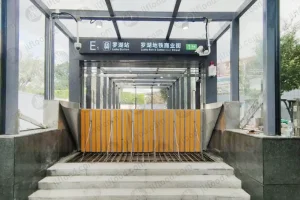
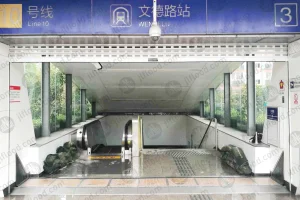
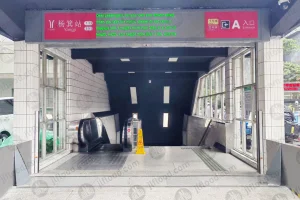
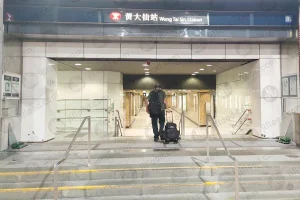
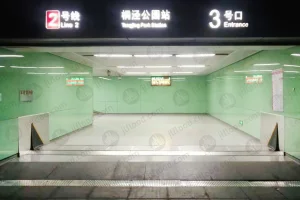
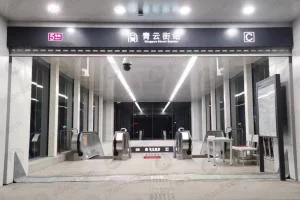
Station entrances, connection channels, and underground pedestrian walkways require flush-mounted installations that vehicles and commuters can cross seamlessly. Junli’s metro-grade modular doors remain hidden in the pavement until surface water triggers automatic rising.
Electrical substations and transformer vaults contain critical high-voltage assets where water contact causes catastrophic short-circuits and wide-area power blackouts. Our stainless steel modular flood doors guarantee tight perimeter isolation.
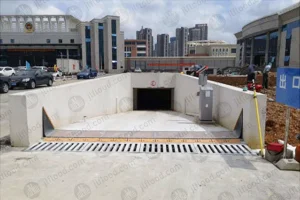
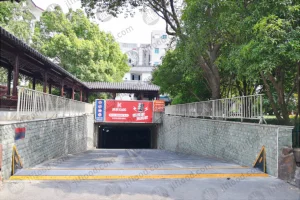
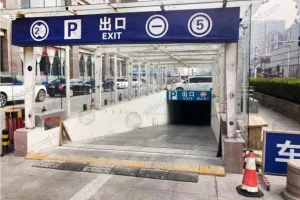
Subterranean car parks in commercial malls, hospital facilities, and luxury residential towers are vulnerable during sudden flash storms. Flush surface-mounted hydrodynamic barriers protect vehicle access ramps without obstructing regular traffic flow.
Real-world hydraulic pool testing and typhoon season performance records validate every modular flood door manufactured.
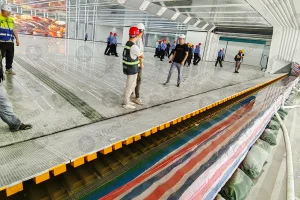
Every barrier model undergoes full-scale hydro-testing in our specialized water pool facility. We measure precise lifting time, hydrostatic deflection, and seal compression integrity prior to shipment dispatch.
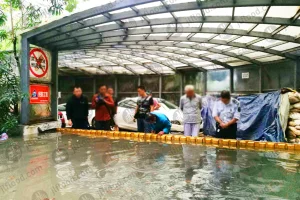
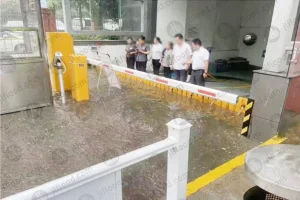
Junli flood gates have successfully protected metro networks and commercial underground assets across 30+ major metropolitan cities during historic typhoon events including Typhoon Bebinca.
We issue comprehensive English structural CAD drawings, civil embedment pit details, maintenance guidelines, and third-party inspection certificates for overseas engineering contractors.
Procuring flood barriers for international projects requires seamless compliance with regional civil building codes. Junli modular flood doors align with international structural specifications, including FEMA Technical Bulletins (USA), EU Directive 2007/60/EC on the assessment and management of flood risks, and ISO 9001 quality assurance frameworks. Our civil interface drawings provide structural engineers with exact dead-load, live-load, and hydrostatic force distribution metrics necessary for concrete embedment calculations.
As smart cities evolve, modular flood defence systems are converging with passive digital monitoring. Junli’s engineering roadmap incorporates zero-power LoRaWAN telemetry sensors into the foundation frame. These sensors broadcast real-time deployment status and water elevation data to municipal smart city dashboards without relying on main grid electrical lines. Furthermore, ongoing research into carbon-nanotube reinforced elastomer matrix seals aims to extend maintenance seal replacement intervals beyond 25 years.
Direct technical answers to common procurement, engineering, and installation queries.
Complete your project procurement selection with our secondary series of self-closing, flip-up, and metro connection channel barriers.