Precision-engineered hydrodynamic barriers and perimeter defenses manufactured for high-load commercial and municipal applications.
Evaluating climate acceleration, urban flood risk vectors, and the evolution from temporary quick dams to permanent hydrodynamic protection systems.
Over the past decade, urban centers worldwide have experienced unprecedented precipitation events caused by climate shifts, rapid urbanization, and inadequate stormwater drainage infrastructure. Metropolitan areas across Europe, North America, East Asia, and Southeast Asia face severe economic losses due to flash floods, coastal surges, and intense monsoon runoff. In response, municipal procurement authorities, commercial real estate developers, and civil defense engineers are re-evaluating traditional flood mitigation protocols.
While temporary quick dams—such as water-activated gel bags and modular plastic flood walls—serve a vital role in short-term residential or localized emergency response, critical urban infrastructure requires permanent, automated engineering solutions. Modern multi-story underground parking facilities, mass rapid transit (MRT) networks, high-voltage electrical substations, and underground commercial centers cannot rely on human intervention during midnight cloudbursts or widespread grid blackouts. This structural requirement has established a booming global wholesale market for specialized manufacturers who can deliver high-strength, power-free, hydrodynamic self-rising flood gates.
Understanding the physics of passive self-rising flood barriers and their structural advantages in extreme flood events.
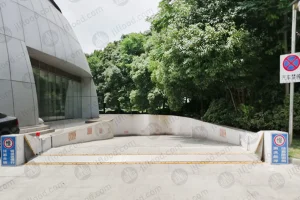
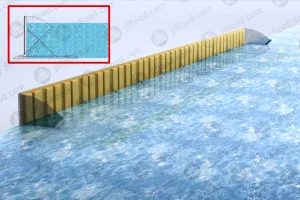
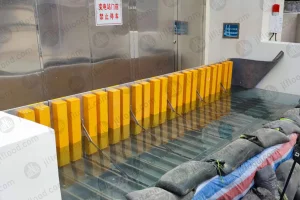
Hydrodynamic barriers reside flush with the ground inside a subterranean foundation trough. As floodwater flows toward the barrier, water enters the intake chamber. Hydrostatic pressure and natural fluid dynamics push the internal floating panel upward without requiring electrical power, sensors, or human labor.
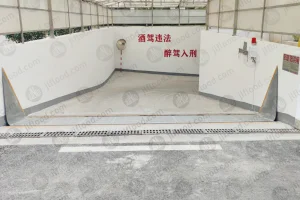
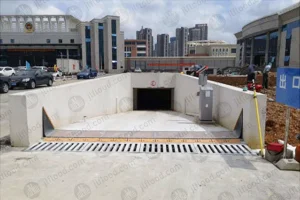
During dry conditions, the top plate of the recessed barrier rests flush with the driveway surface, supporting heavy vehicle traffic including buses, emergency fire trucks, and heavy freight containers up to 60+ tons without structural deformation.
Engineered with industrial-grade, anti-aging EPDM rubber gaskets and stainless steel side plates, these barriers establish a hermetic, zero-leakage seal against water heads up to 2.0 meters, ensuring zero water ingress under severe head pressure.
| Barrier Type / Specification | Activation Mechanism | Standard Retaining Height | Traffic Load Rating | Primary Application Areas |
|---|---|---|---|---|
| Hydrodynamic Self-Rising Gate | Passive Buoyancy (Power-Free) | 0.5m – 2.0m | 40–60 Tons (Heavy Vehicle) | Metro Line Intakes, Underground Garages, Substations |
| Embedded Flip-Up Barrier | Hydraulic / Mechanical Assist | 0.6m – 1.5m | 30 Tons (Standard Ramp) | Commercial Office Garages, Logistics Hubs |
| Surface-Mounted Quick Gate | Automatic Water Buoyancy | 0.4m – 1.0m | 15–20 Tons (Light Vehicles) | Pedestrian Entrances, Equipment Vault Doors |
| Modular Quick Dam Barrier | Manual Assembly / Water Filled | 0.3m – 0.8m | Pedestrian Only | Temporary Perimeter Protection, Construction Sites |
Why international EPC contractors and municipal distributors partner with Chinese flood defense manufacturers like Nanjing Junli Technology.
China's Yangtze River Delta, specifically the advanced manufacturing hub of Jiangsu Province, offers unparalleled industrial cluster advantages. From raw marine-grade aluminum alloy extrusion to laser-cut structural steel, specialized rubber vulcanization, and electro-hydraulic components, the local supply chain drastically reduces production lead times and raw material sourcing costs.
Overseas buyers sourcing wholesale quick dam flood barriers and automatic flood gates benefit from a 30% to 50% cost advantage over Western European or North American counterparts without sacrificing engineering precision or material specifications.
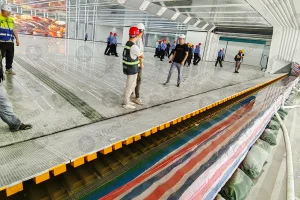
A major differentiator for premier Chinese factories is in-house testing capacity. Leading manufacturers such as Nanjing Junli Technology Co., Ltd. operate dedicated, full-scale hydraulic testing pools where every engineered gate model undergoes rigorous water-retaining verification prior to shipment.
Third-party testing certificates, dynamic finite element analysis (FEA) reports, and typhoon-season field case studies are provided with each order, satisfying international procurement compliance, ISO9001 quality management, and CE engineering benchmarks.
Tailored structural integration across four critical urban infrastructure domains.
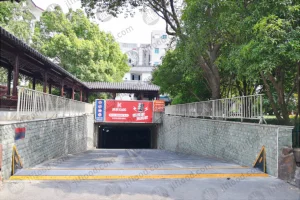
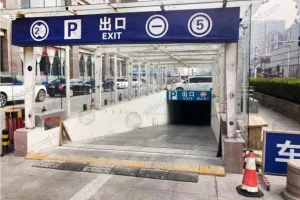
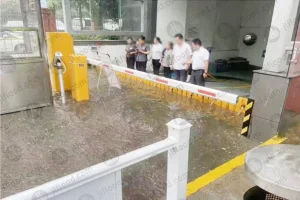
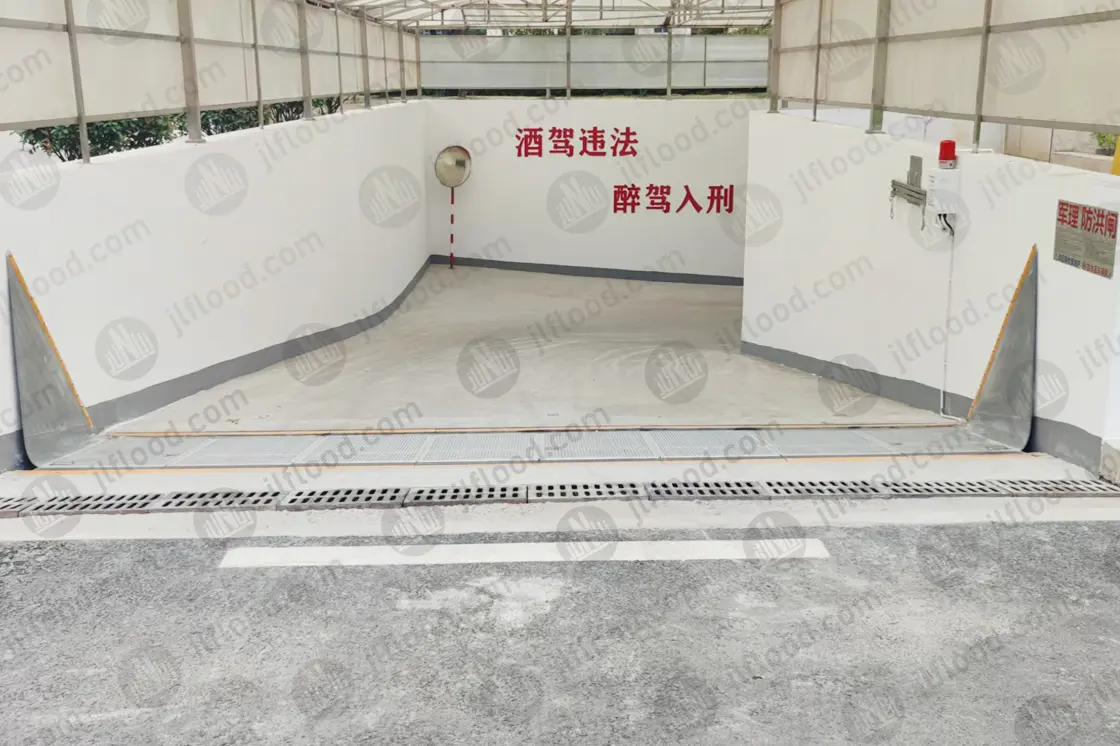
Installed at car park entry ramps. Vehicles pass continuously over the top plate during daily routines. Upon sudden surface runoff, the barrier engages autonomously to block water from invading basement levels, protecting vehicles and building electrical plants.
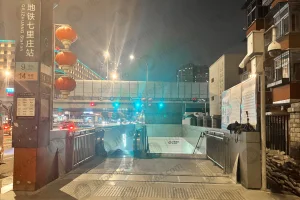
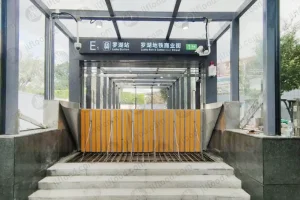
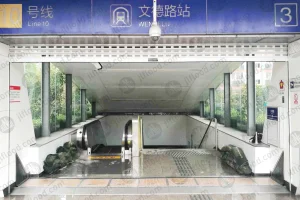
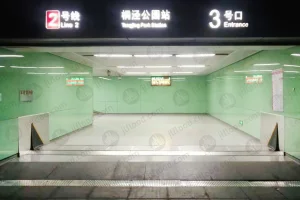
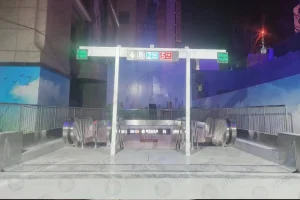
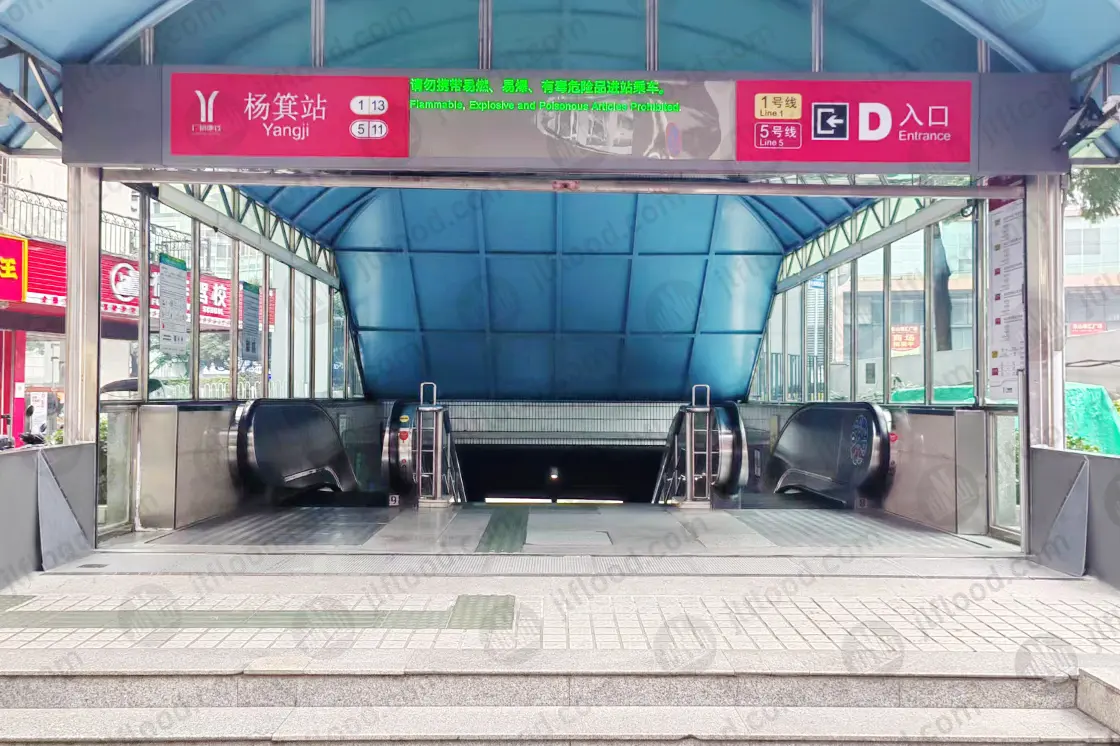
Deployed at subway station access points, pedestrian connection tunnels, and air intake shafts. Validated in major metro systems in Guangzhou, Suzhou, Nanjing, Beijing, Shenzhen, and Hong Kong to prevent transit system drownings and multi-million dollar electrical damages.
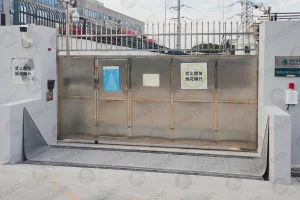
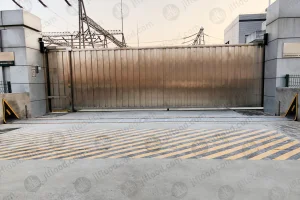
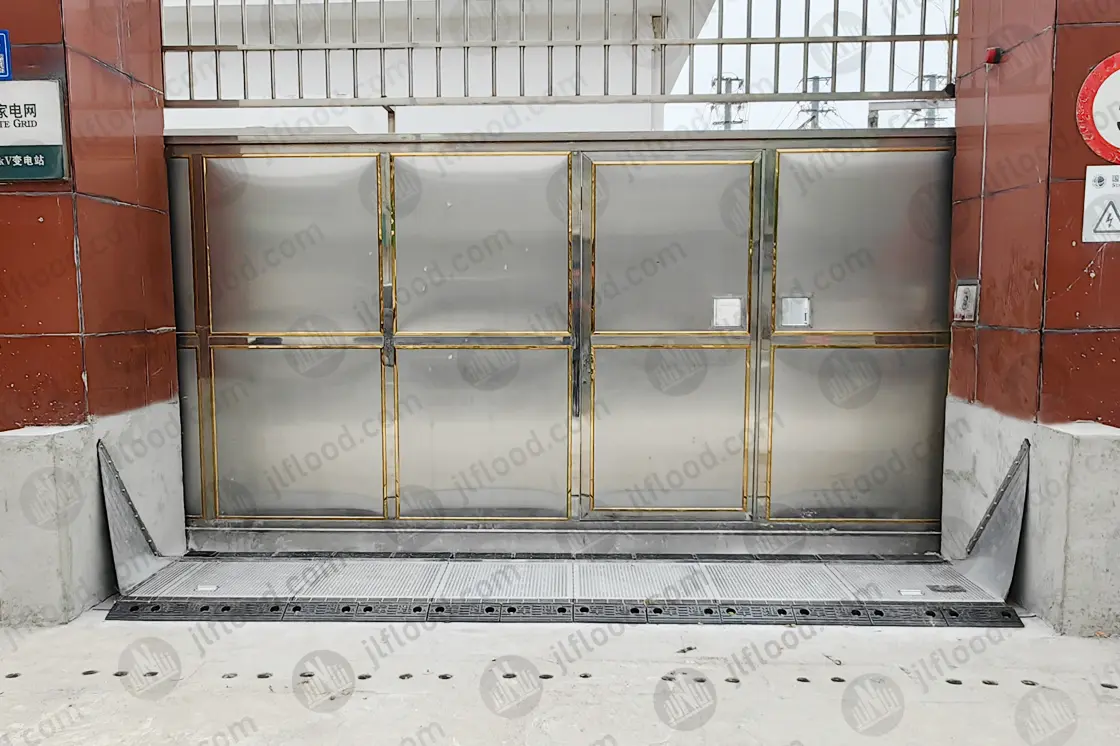
Essential protection for electrical utility perimeter gates and cable trench doorways. Prevents water ingress into transformer rooms where flooding risks triggering city-wide blackouts, equipment explosions, and grid collapse.
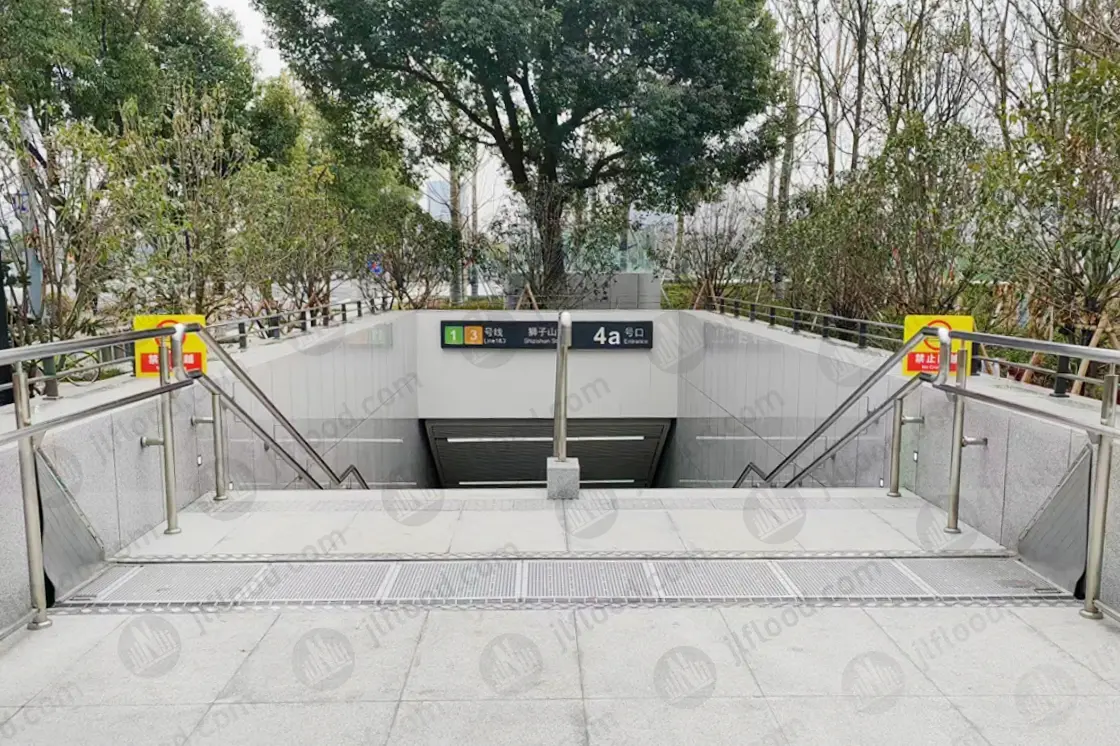
Engineered for high-capacity public facilities including railway station concourses, airport landside passages, underground pedestrian crossings, and hospital emergency basements requiring non-stop life safety assurance.
Key evaluation criteria for general contractors, engineering consultants, and B2B buyers when evaluating manufacturer capabilities.
When conducting life-cycle cost evaluations for commercial real estate or municipal infrastructure, procurement managers must evaluate both direct material acquisition costs and indirect operational expenses (labor, storage, maintenance, deployment delay risk).
| Evaluation Metric | Hydrodynamic Automatic Barrier (Junli) | Temporary Polymer Quick Dam / Sandbags |
|---|---|---|
| Labor Requirement | Zero (100% Autonomous Passive Activation) | High (Requires emergency manual labor team) |
| Power Grid Dependency | None (Operates by water buoyancy alone) | None (Manual transport required) |
| Deployment Time Window | Instantaneous (< 1 second response) | 30 minutes to 3 hours (High risk of delay) |
| Design Service Life | 20+ Years (Stainless steel & aluminum) | Single use or short shelf-life (1–3 years) |
| Structural Load Bearing | Up to 60 Tons (Heavy vehicle access) | Zero (Impedes vehicle passage) |
| Long-Term Total Cost of Ownership | Low (One-time capital installation) | High (Repeated replacement & storage fees) |
To ensure structural reliability and avoid procurement failures during extreme rainstorms, overseas specifiers should verify four critical manufacturing metrics:
Emerging technology trends shaping intelligent urban waterlogging mitigation over the next decade.
Integration of low-power NB-IoT and LoRaWAN sensors inside the barrier chamber to broadcast real-time deployment alerts, water level metrics, and status updates directly to central city control hubs and property managers' mobile devices.
Development of next-generation nano-composite seals offering enhanced UV resistance, ozone durability, and superior flexural memory, extending maintenance-free seal longevity beyond 25 years in high-temperature equatorial climates.
Transition from standard structural aluminum to high-strength carbon-fiber reinforced polymer (CFRP) floating panels, reducing weight by 40% while doubling structural load resilience against high-velocity flood debris impact.
Detailed engineering answers to standard technical questions raised by structural consultants, contractors, and wholesale buyers.
Explore our specialized embedded, surface-type, and subway connection channel flood barrier systems.