


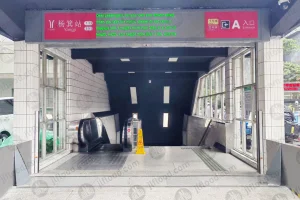

Explore our flagship hydrodynamic flood defence gates, rigorously field-tested and manufactured to international civil engineering standards.
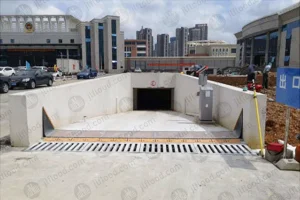
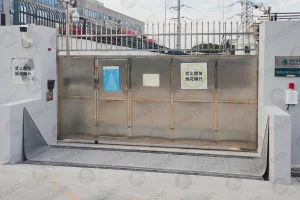
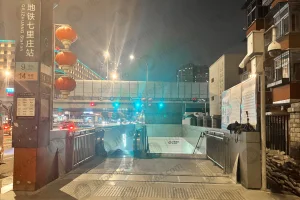
Rapid climate change, cloudburst rainfall events, and expanding underground urban infrastructure have rendered traditional, manual flood barriers completely obsolete. Global civil engineering firms, municipal authorities, and commercial property developers are rapidly phasing out manual aluminum stop-logs and electrical motor-driven flood gates in favor of unattended, zero-energy hydrodynamic self-closing flood barriers.
As a premier wholesale self-closing flood barrier manufacturer and factory direct partner, Nanjing Junli Technology Co., Ltd. delivers hydrodynamic flood mitigation infrastructure engineered to operate flawlessly under extreme catastrophe conditions. When municipal power grids fail during extreme typhoons or flash floods, our patented self-closing flood gates rely strictly on the buoyancy of incoming water and hydrostatic pressure principles. The system autonomously elevates, locks into position, and forms a hermetic seal against rising waters without requiring human intervention, sensor triggers, or external power.
Over 87% of catastrophic urban flood disasters in metro systems and underground parking facilities occur during severe electrical grid blackouts. Active electrical barriers fail when power is cut or sensors short-circuit. Manual barriers fail due to human delay, traffic gridlock, or insufficient staff during off-peak hours. Hydrodynamic self-closing barriers eliminate all human and electrical single points of failure.
Understanding the regulatory, architectural, and environmental dynamics driving international demand for automated flood control systems.
Global megacities across North America, Europe, Asia-Pacific, and the Middle East are updating civil defense regulations. Building codes now mandate automated, power-free flood protection for subterranean entries, transit tunnels, and critical energy hubs to satisfy ESG risk mitigation benchmarks.
Engineers are eliminating dependency on battery backups and diesel generators. Hydrodynamic automatic flood gates operate strictly via fluid dynamics—using the physical mass and buoyancy of floodwaters to lift high-strength structural barriers in real time.
Underwriters are imposing severe deductible penalties on commercial properties lacking certified flood defense systems. Installing factory-certified, fully automated hydrodynamic gates dramatically reduces commercial property insurance premiums and liability risk exposure.
A detailed breakdown of key criteria used by EPC contractors, procurement officers, and structural engineers when evaluating wholesale flood barrier suppliers.
Procuring flood defense barriers for multi-million-dollar infrastructure projects demands absolute precision. Low-tier, non-certified flood barriers often suffer from rubber seal degradation, frame warping under lateral hydrostatic forces, and mechanical jamming due to debris accumulation. B2B buyers must evaluate suppliers across five critical engineering pillars:
| Evaluation Parameter | Hydrodynamic Self-Closing Gate (Junli) | Manual Demountable Stop-Logs | Motorized / Electric Flood Gates |
|---|---|---|---|
| Deployment Mechanism | 100% Autonomous (Water Buoyancy) | Manual Labor Required | Electric Motor / Hydraulic Pump |
| Blackout Reliability | 100% Operational (Zero Power) | N/A (Human Dependent) | Fails during power grid collapse |
| Response Time | < 0.1s Instant Buoyancy Trigger | 1 to 4 Hours Assembly Time | 30s to 3 Minutes Sensor Lag |
| Operational Standby Cost | $0 / Year (Zero Power Draw) | High (Labor Training & Storage) | High (Electrical & Maintenance) |
| Lifespan & Maintenance | 25+ Years (Low Maintenance) | Seal Degradation in Storage | High (Motor & Sensor Repairs) |
How Nanjing Junli Technology leverages state-of-the-art automation, material science, and vertical integration to deliver world-class flood defense infrastructure.
High-precision fiber laser cutting systems ensure structural aluminum (6063-T6) and stainless steel (SS304/SS316) housing components achieve sub-millimeter tolerances. Robotic TIG/MIG welding eliminates structural stress points and guarantees hermetic chamber integrity.
Every barrier model undergoes computer-simulated FEA hydrostatic stress testing. Structural door leaves are optimized for maximum strength-to-weight ratios, ensuring effortless buoyant lifting while withstanding flash flood dynamic impact forces.
Our Nanjing manufacturing campus features dedicated full-scale hydraulic testing tanks. Every customized order undergoes simulated real-water flood events to measure deployment speed, frame deflection, and zero-leakage seal performance prior to global dispatch.
Tailored structural configurations engineered for specific high-risk urban infrastructure vulnerability points.
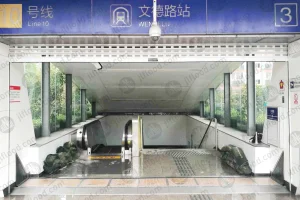
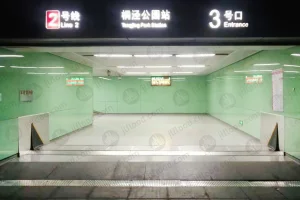
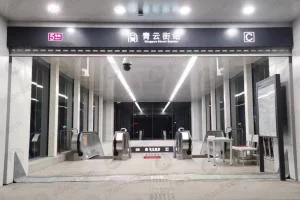
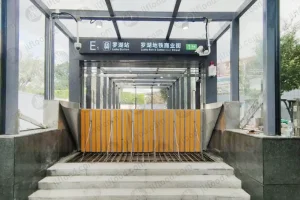
Subway entrances and connection channels represent high-risk conduits during catastrophic city flooding. Flush surface-mounted or embedded hydrodynamic barriers installed at station portals (such as our field-proven projects at Guangzhou Metro, Beijing Metro, and Suzhou Metro) remain flat with pedestrian floor tiles during normal operations. When water flows down entrance steps into the bottom catchment tray, the barrier panel automatically swings up, sealing the subway tunnel entrance against water ingress.
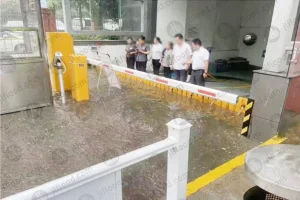
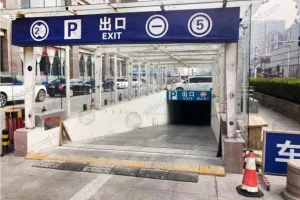
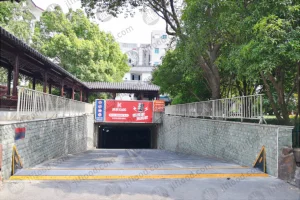
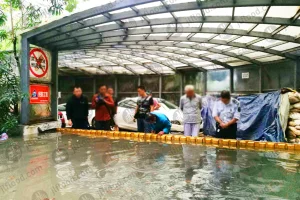
Basement parking ramps are natural funnels for storm surface runoff. Embedded self-closing flood gates installed across garage driveways support heavy vehicle passage daily. The top plate features non-slip stainless steel floor tread patterns. In flash floods, surface runoff fills the foundation basin, causing the heavy-duty reinforced door panel to float up immediately, blocking water before it can cascade down ramps into vehicle parking areas.
Power grid substations and mission-critical server facilities require total zero-water ingress security to prevent short-circuits and city-wide blackouts. Our surface-mounted automated barriers install directly around perimeter security gates and door openings with zero excavation required. The self-activating mechanical design operates continuously 365 days a year without relying on grid power or operator attendance.
Explore specialized embedded, surface-type, and modular hydrodynamic systems for custom procurement specs.
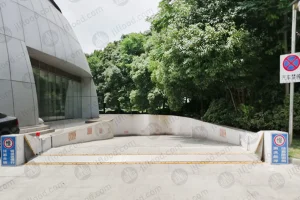
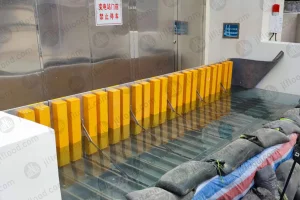
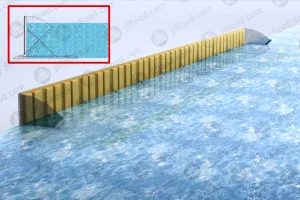
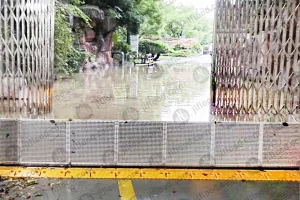
An in-depth look at the fluid physics and mechanical architecture that make Junli flood barriers unassailable.
The core panel is constructed from high-buoyancy hollow extrusions of aerospace-grade 6063-T6 aluminum alloy or sealed SS304 chambers. As floodwaters reach the bottom intake trench, the water level within the embedded foundation frame rises, generating upward Archimedean buoyancy forces that automatically float the panel upward.
As the flood depth increases against the front face of the elevated panel, hydrostatic pressure forces the panel firmly against the frame’s lateral uprights and bottom sealing gasket. The higher the floodwater rises, the tighter the barrier locks into its elastomeric sealing frame, ensuring zero leakage under head pressures up to 2,000mm.
Once storm floodwaters subside and the municipal drainage system empties the bottom catchment basin, the barrier panel automatically lowers back under gravity, returning completely flush into the ground housing frame. Vehicle and pedestrian traffic resume immediately without manual reset operations.
Nanjing Junli Technology provides full OEM/ODM civil interface drawings (CAD/BIM), structural calculation packages, finite element analysis (FEA) reports, and customized tender support for global civil projects. Contact our engineering team at [email protected] or call +86 173 9795 7068.
Comprehensive answers to key technical questions encountered during site planning, specifying, and international procurement.
Our hydrodynamic flood barriers operate 100% passively using natural water buoyancy and hydrostatic pressure. The panel rests flush inside a recessed ground frame. When floodwater enters the catchment chamber, buoyancy forces automatically lift the panel into the water-blocking position. No electric motors, sensors, wiring, battery backups, or human operators are required, ensuring 100% reliability during grid failures.
Junli embedded garage flood barriers are engineered to support heavy vehicle traffic. Standard residential and commercial garage models support passenger car loads (A15/B125 rating). For logistics parks, fire access lanes, and heavy transport entrances, we manufacture reinforced steel internal structures rated up to D400 and F900 axle load capacity (capable of supporting 40 to 90 tons).
The ground foundation frame is equipped with integrated mud-settling channels and quick-connect drainage outlets. Small debris and silt washed into the frame settle into designated collection sumps without obstructing panel buoyancy. Removable stainless steel top cover plates allow easy access for routine high-pressure hose flushing during periodic facility maintenance.
Standard hydrodynamic single-panel barrier heights range from 500mm up to 2,000mm. Single clear span modules are available up to 6.0 meters. For extra-wide driveways or subway concourses exceeding 20 meters, multiple modular units are linked together using intermediate support mullions to form a continuous water-retaining wall.
We utilize co-extruded EPDM synthetic rubber and industrial fluororubber seal profiles designed for high elasticity, UV resistance, and chemical durability. The structural aluminum and stainless steel housing components have a design service life exceeding 25 years. EPDM seal strips are designed for easy cost-effective replacement every 8 to 10 years depending on environmental exposure.
All international orders are packaged using export-grade fumigated wooden crates with internal moisture-proof plastic wrapping and edge-corner protective foam guards. Complete embedded frame assemblies, template drawings, anchor bolts, spare seals, and English installation/maintenance manuals are packed together for direct site delivery via sea freight container shipping.