
Explore our field-proven automatic and surface-mounted flood protection assemblies manufactured for high-density municipal, industrial, and commercial facilities.
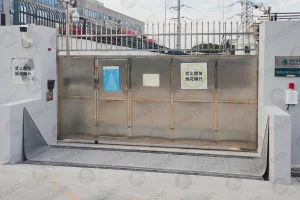
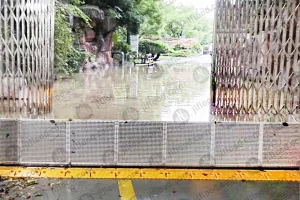
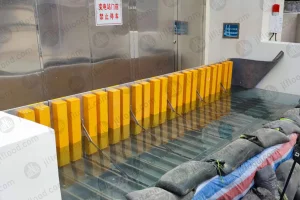
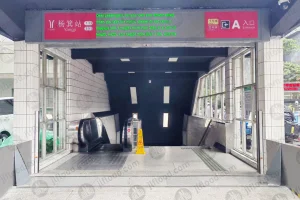
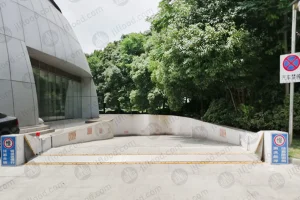

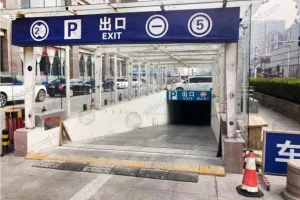
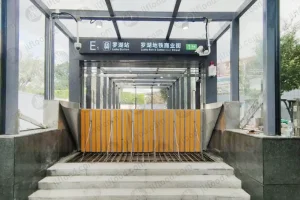
Understanding the physics of hydrodynamic passive actuation and modular surface-mount civil integration.
Unlike electromechanical flood gates that rely on vulnerable municipal power grids, sensors, and human attendance during severe storm events, surface type automatic flood gates operate on pure fluid dynamics. As incoming surface runoff collects in the recessed basin or upstream retention zone, the hydrostatic pressure and natural water buoyancy act upon the sealed barrier leaf. This pressure automatically swings or elevates the structural panel upward into its locked retaining orientation in under 0.1 seconds from fluid engagement.
Surface-type flood gates offer a massive engineering advantage for retrofit infrastructure and urban locations with dense underground utilities. Traditional embedded flood gates require 500mm to 1000mm deep civil excavation, disrupting underground electrical cables and municipal drainage. Surface-type equipment utilizes low-profile base frames (ranging from 60mm to 150mm profile height), allowing rapid anchor-bolt installation directly onto existing reinforced concrete ramps, doorway threshold slabs, and station aprons.
Information Gain Insight for Specifiers: Surface-type flood gate equipment manufactured by OEM factories like Nanjing Junli Technology utilizes marine-grade structural aluminum alloys (6063-T6) combined with 304/316 stainless steel mechanical hinges. This hybrid material configuration reduces panel inertia by 45% compared to all-steel designs, enabling ultra-fast activation while maintaining structural yield stress capacity exceeding 240 MPa under heavy hydrodynamic surge conditions.
How institutional procurement managers and municipal engineers evaluate B2B flood barrier suppliers and manufacturing factories.
Procurement teams for critical assets prioritize passive fail-safe systems. Electric pumps can fail during grid collapse; manual sandbags require hours of labor and early storm warning. Surface-type hydrodynamic flood barriers eliminate single-point operational failures, ensuring 24/7 autonomous protection for unmanned sites.
Enterprise tenders demand compliance with international standards such as FM Approvals 2510, BS EN 12209, and ISO 9001 quality management system audits. Surface flood gates must undergo finite element analysis (FEA) to verify zero permanent deflection during 100-year storm surge events.
While initial capital expenditure is a key factor, enterprise buyers evaluate long-term TCO. By choosing surface-type barriers with self-cleaning sediment channels and replaceable EPDM rubber sealing profiles, maintenance expenditure is reduced by over 70% over a 20-year lifecycle.
| Equipment Category | Actuation Mechanism | Installation Profile | Power Requirement | Ideal Infrastructure Application |
|---|---|---|---|---|
| Hydrodynamic Surface Gate | Water Buoyancy & Hydrostatic Pressure | Surface Ramp Mount (60–120mm) | Zero (100% Passive) | Metro entrances, Underground Garages, Substations |
| Embedded Hydrodynamic Barrier | Recessed Chamber Buoyancy | Flush Pit Embedment (300–600mm) | Zero (100% Passive) | High-traffic commercial driveways, Logistics Hubs |
| Flip-Up Automatic Gate | Hydraulic / Pneumatic Assist | Shallow Trench Mount | Electric Grid + Battery Backup | Extreme span industrial perimeters (>12 meters) |
| Manual Modular Stoplogs | Human Assembly Required | Post & Channel Mount | Manual Labor | Seasonal riverbanks, Secondary building perimeters |
Engineered deployment strategies tailored to specific municipal and commercial sectors worldwide.
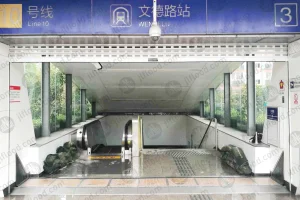
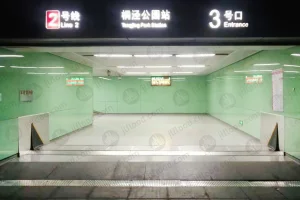
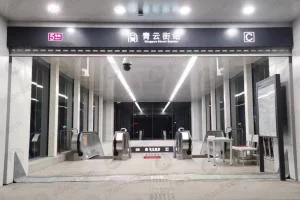
Urban rail systems represent extremely high-risk flood vectors. A single flooded subway tunnel can cause billions of dollars in structural damage and halt public transportation for months. Surface type automatic flood barriers installed at station portals and connection pedestrian channels sit completely flat under normal daily commuter traffic. When flash floods hit, the rising water automatically creates a impervious flood wall up to 1.5 meters high, sealing off station entry points before water cascades into trackways.
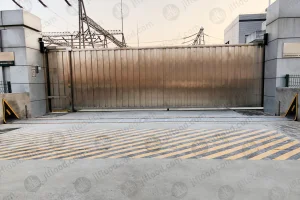
High-voltage power substations, transformer vaults, and hyperscale data centers require strict water ingress control. Water penetration into switchgear rooms triggers catastrophic short circuits and regional blackouts. Surface-mounted self-closing barriers around perimeter gates provide continuous, zero-electricity protection, maintaining operational continuity during severe typhoons and torrential rainstorms.
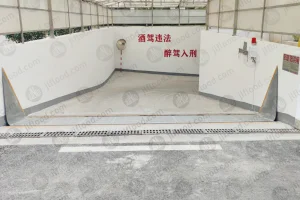
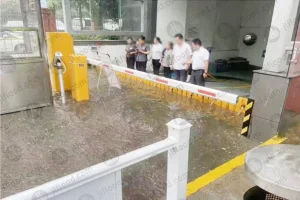
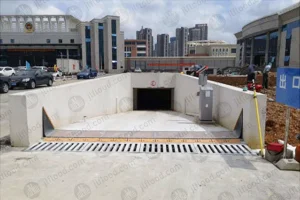
Underground parking structures in shopping malls, hospital complexes, and luxury residential towers are highly susceptible to sudden surface water inundation. Surface flood gate assemblies are engineered to withstand heavy vehicular traffic (including 40-ton commercial trucks) during normal operational periods, deploying automatically when rainwater exceeds curb retention height.
For chemical processing plants and port facilities handling hazardous materials, surface flood gates serve a dual role: preventing external floodwater from entering critical containment zones, and acting as emergency chemical spill barriers to contain hazardous liquid run-off on site during emergency incidents.
How advanced manufacturing ecosystems in Nanjing deliver cost efficiency, structural precision, and rapid global scalability.
Our OEM factories utilize 12,000W fiber laser cutting systems and automated multi-axis robotic welding cells. This ensures dimensional tolerance within ±0.5mm across 6-meter single-span barrier panels, guaranteeing perfect sealing alignment and structural integrity under heavy fluid pressure.
To survive highly corrosive coastal environments, industrial salt spray, and urban de-icing chemicals, our surface type flood barrier panels undergo a multi-stage surface treatment: shot blasting to Sa2.5 standard, followed by double-layer fluorocarbon (PVDF) electrostatic coating or 25-micron anodic oxidation.
Every batch of wholesale flood gate equipment undergoes 100% full-scale hydrostatic testing in our internal hydraulic testing basin prior to export shipment. We test leaf elevation velocity, seal deflection under 1.5x design pressure head, and zero-leakage verification backed by official test certificate documentation.
Integrating IoT smart city monitoring, dynamic metamaterials, and predictive resilience engineering into flood gate equipment.
Next-generation surface type flood barriers are evolving from passive mechanical units into intelligent nodes within municipal IoT networks. Integrated micro-power wireless telemetry modules transmit real-time deployment status, water level metrics, and seal compression data via NB-IoT or LoRaWAN to city emergency management platforms, giving urban planners real-time visibility during extreme weather events.
Future iterations of hydrodynamic barrier panels incorporate ultra-lightweight graphene-reinforced carbon polymer composites. These advanced materials achieve a 60% weight reduction compared to aluminum extrusions while boasting three times the tensile strength, allowing single clear spans exceeding 12 meters without intermediate support pillars.
Complete lifecycle engineering assistance for international contractors, architectural consultants, and B2B distributors.
Our engineering support team provides BIM (Building Information Modeling) Revit files, 3D CAD models, and detailed civil structural interface drawings within 24 hours of site parameter submission, seamlessly integrating into your architectural tender documentation.
We offer comprehensive installation manuals in English, step-by-step video installation guides, and remote video commissioning assistance. For major infrastructure projects, senior installation engineers can be dispatched directly to project sites worldwide.
We partner with regional flood protection equipment brands, civil engineering contractors, and security product distributors, offering custom sizing, customized brand labeling, modular packaging, and competitive factory-direct wholesale pricing schedules.
Explore our complete catalog of certified power-free self-closing flood gates and embedded protection systems.
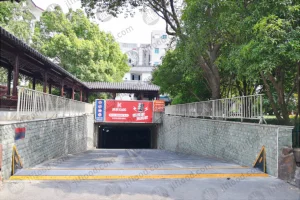
In-depth answers to critical technical, structural, and civil engineering questions asked by project consultants and enterprise buyers.
Surface type automatic flood barriers utilize pure fluid dynamic principles. The assembly features a buoyant panel housed inside a low-profile surface-mounted frame. When surface runoff water flows into the trigger basin, hydrostatic buoyancy lifts the panel automatically. As the water level rises, the differential pressure pushes the panel against high-density EPDM gaskets, creating a watertight seal. Once floodwaters recede, water drains through internal discharge weep holes, allowing gravity to lower the panel back flush with the driveway surface.
Standard surface type flood gate assemblies engineered by Nanjing Junli Technology are tested for heavy-duty traffic load ratings up to 40 tons (AASHTO HS-20 / Eurocode EN 1991-2 heavy truck load classifications). Internal structural reinforcement ribs made from T6-treated 6063 marine aluminum distribute point loads evenly across the concrete base slab, preventing panel deformation under daily car and bus traffic.
Surface-type units require minimal civil disruption. The slope gradient at the installation threshold must be level within ±2mm tolerance, and the substrate concrete must have a minimum compressive strength of C30 with a thickness of at least 150mm. Installation involves anchor-bolting the low-profile frame into the concrete bed and sealing the perimeter with high-tensile structural polyurethane sealant.
Our barriers utilize continuous co-extruded EPDM triple-lip seals paired with compression corner gaskets. Tested per standard BS EN 12288, leakage rates are maintained under 0.2 liters per hour per meter of seal line at maximum design water head (up to 1200mm static head), significantly surpassing international civil defense requirements.
Yes. For extreme spans such as wide subway station plazas or multi-lane garage ramps, surface flood barriers are configured in modular leaf arrays with removable or self-deploying intermediate support posts. This modular architecture allows unlimited clear opening widths while ensuring each individual panel leaf remains light enough for ultra-fast buoyancy response.
Because system actuation is power-free, routine maintenance is simple: biannual removal of debris or leaves from the surface basin channel, visual inspection of the rubber sealing gaskets, and manual flush-testing with water once per year. Seal replacement kits can be swapped on-site in under 30 minutes without removing the main metal frame.


