Direct factory-engineered automatic flood mitigation systems designed for subway entrances, garage ramps, and utility vaults.
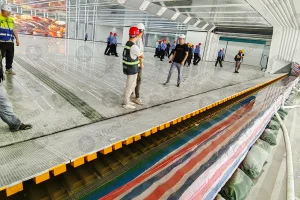
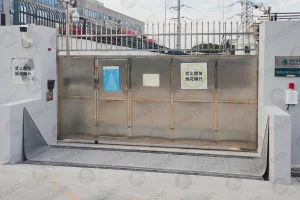
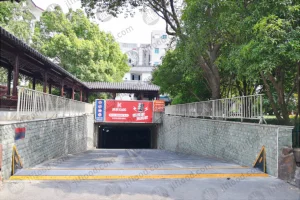
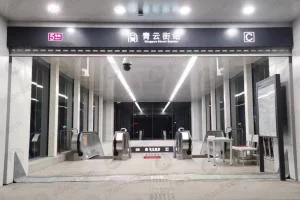
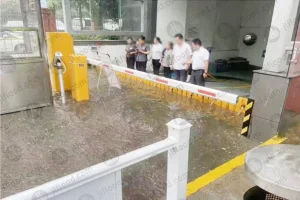
In modern urban architectural engineering, underground parking structures, commercial basements, and subterranean transit networks represent the most vulnerable assets during extreme meteorological events. Historically, facility managers relied on manual sandbag deployment or demountable aluminum stop-logs. However, empirical flood audit data reveals that over 78% of catastrophic basement flood damages stem from human operational delays, unexpected nocturnal cloudbursts, or grid power failures during major typhoons.
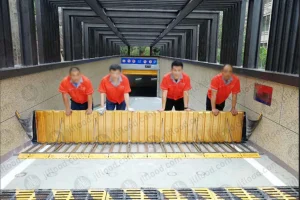
The introduction of water-activated hydrodynamic flood barriers for garage entrances marks a critical transition from passive manual intervention to autonomous mechanical self-defense. Engineered by specialized manufacturers such as Nanjing Junli Technology Co., Ltd., these systems utilize hydrodynamic principles—specifically ambient floodwater buoyancy and hydrostatic pressure—to actuate structural retaining panels without requiring electrical power, optical sensors, or human presence on site.
Maintains absolute operational readiness during widespread electrical grid blackouts. Eliminates ongoing energy consumption, battery backup maintenance, and sensor recalibration costs.
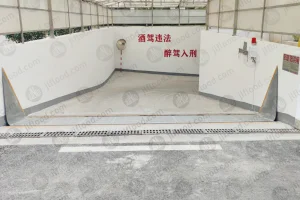
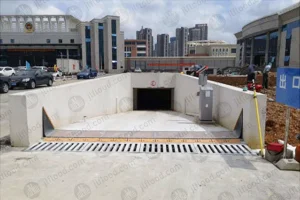
When dry, the aluminum alloy or stainless-steel barrier panel rests completely flush within the recessed ramp trench, permitting seamless heavy vehicle ingress (up to AASHTO H-20 / EN 124 standards).
As the external water depth increases, horizontal hydrostatic head pressure forces the panel tighter against dual-lip EPDM rubber seals, progressively decreasing leakage to near zero.
To evaluate the structural viability of wholesale water-activated flood barriers for garage applications, engineering specifiers must analyze the underlying mechanical kinematics. Unlike flip-up barriers driven by hydraulic rams or counterweights, the modular hydrodynamic self-closing flood gate (e.g., Junli HM4D Series) relies on a dynamic balance between buoyant force ($F_b$), panel center of gravity ($W_p$), and hydraulic pivot positioning.
| Technical Parameter | Hydrodynamic Automatic (Junli Series) | Electromechanical Electric Gate | Manual Demountable Stop-Logs |
|---|---|---|---|
| Activation Trigger | Passive Water Buoyancy (Autonomous) | Water Sensor + Electric Motor | Human Labor Required |
| Power Dependency | 0% (100% Unpowered Hydraulic) | 100% (Grid Power / UPS Battery) | 0% (Manual Labor) |
| Response Time | Immediate (< 30 Seconds to Full Deployment) | 45 – 120 Seconds | 30 – 120 Minutes (Requires Assembly) |
| Drive-Over Capacity | Heavy Duty (Up to 40T Axle Load) | Medium / Heavy Duty | N/A (Installed Post-Closure) |
| Seal Integrity (Leakage) | < 0.1 L/min per meter run (EPDM Lip) | < 0.5 L/min per meter run | 1.0 – 3.0 L/min per meter run |
| 25-Year Operational Cost | Ultra Low (Routine Cleaning Only) | High (Motor/Battery/Sensor Service) | High (Labor Training & Storage) |
When sourcing high-integrity civil defense products, global EPC contractors, architectural consultants, and wholesale distributors require robust supplier capabilities. Headquartered in Qinhuai District, Nanjing, Jiangsu Province, Nanjing Junli Technology Co., Ltd. stands as a premier high-tech Chinese manufacturer specializing in intelligent flood-control equipment for commercial buildings, metro transit networks, and power substations.
The competitive advantage of China's flood defense manufacturing ecosystem rests on four integrated pillars:
Junli operates dedicated in-house water testing facilities. Every product series, from garage ramp barriers to metro connection channel flood gates, undergoes full-scale head-pressure water retaining verification, measuring structural deflection, seal compression, and emergency buoyancy release under simulated typhoon conditions.
Utilizing high-tensile 6063-T6 architectural extruded aluminum alloy panels, SUS304/SUS316 stainless-steel embedded frame channels, and robotic laser welding systems, Chinese manufacturing clusters deliver structural rigidity that easily withstands 40-ton vehicle drive-over loads without frame deformation.
Through streamlined raw material procurement within the Yangtze River Delta industrial belt, wholesale buyers receive significant cost reductions compared to European or North American fabricators, alongside complete OEM/ODM dimensional flexibility for custom ramp spans exceeding 20 meters.
Products are shipped in heavy-duty international steel-framed plywood crates, complete with CAD embedment templates, localized civil engineering interface drawings, and comprehensive English installation/commissioning technical manuals.
Deploying automatic flood protection gates internationally requires strict alignment with localized municipal building codes, civil engineering interfaces, and flood risk standards (such as FM 2510, EN 13564, and regional civil defense specifications).
To guarantee long-term operational integrity and zero water bypass around the embedded perimeter frame, civil contractors must execute the installation according to standardized step-by-step engineering guidelines:
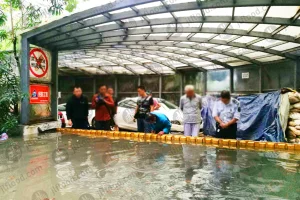
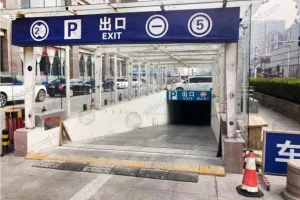
Installed across residential developments, hospital basements, and shopping mall parking ramps in over 30 major cities. Prevents catastrophic vehicle submergence and electrical room flooding during urban waterlogging events.
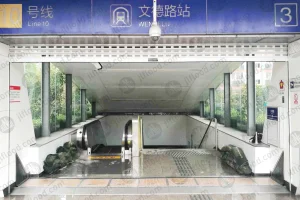
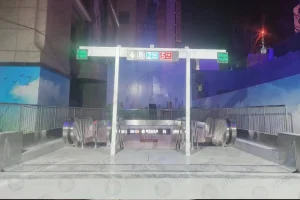
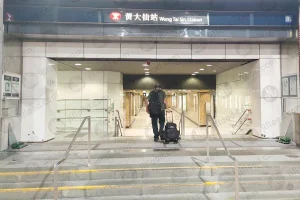
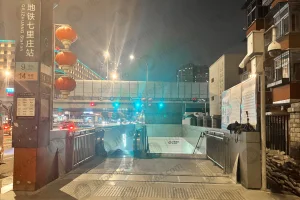
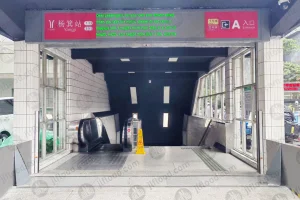
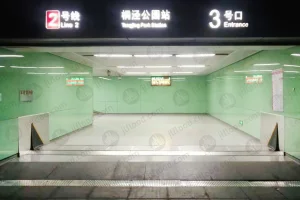
Proven in operational subway networks including Guangzhou Metro Yangji Station, Beijing Metro, Suzhou Metro, and Hong Kong Transit connection channels, safeguarding subterranean public mobility corridors.
Perimeter gates and transformer room access doors for power utilities, where flash flood ingress can trigger regional blackout cascades, high short-circuit losses, and millions in equipment replacement.
As global climate disruption increases the frequency of severe cloudbursts and coastal storm surges, urban infrastructure design standards are rapidly adapting. Key macro trends shaping the wholesale water-activated flood barrier market include:
Direct technical clarity addressing operational, maintenance, structural, and procurement questions.
The system utilizes basic Archimedes fluid buoyancy and hydrostatic principles. The structural barrier panel sits horizontally inside a recessed concrete foundation chamber flush with the entrance driveway. When surface floodwater reaches the entrance, it flows into the bottom chamber. Special buoyancy chambers inside the panel displace water, generating an immediate upward buoyant force that lifts the panel automatically. As the water level rises, external hydrostatic head pressure compresses the panel against dual-lip EPDM rubber perimeter seals, locking it into position without motors, sensors, or power supplies.
Yes. Junli flood barriers are built with high-tensile 6063-T6 aluminum alloy extrusion panels reinforced by internal load-bearing structural ribs. Standard models are tested to meet AASHTO H-20 and EN 124 heavy vehicle axle loading standards (up to 40-ton vehicle drive-over capability). Vehicles drive smoothly over the flush top surface without causing panel deformation or structural fatigue.
The barrier system incorporates a heavy-duty stainless-steel surface filter grate located ahead of the intake chamber. This grate screens out leaves, gravel, and trash while allowing floodwater to pass freely into the buoyancy pit. Additionally, the bottom chamber is designed with a sloped self-clearing sediment channel connected to an outlet sump, allowing routine maintenance washing and debris removal during annual inspections.
Standard retaining heights range from 500 mm up to 2,000 mm (2.0 meters) per single leaf. Single modular panel clear spans reach up to 6.0 meters, and multiple barrier units can be connected in series using intermediate removable stainless-steel support mullions to protect wide garage ramps or subway concourses exceeding 20 to 50 meters in total width.
Absolutely. Every order manufactured by Junli undergoes rigorous quality control. We perform pre-shipment assembly and water-retaining leakage verification in our factory testing pool. Clients receive certified inspection reports, material mill test certificates (MTC), dimensional verification documents, and full HD video recordings of their specific barriers undergoing hydrostatic pressure testing.
For sub-zero cold climate installations (such as Northern Europe, North America, or Northern China), Junli offers optional low-wattage self-regulating electric heating cables integrated directly inside the embedded ground frame and drain channels. This prevents ice formation inside the basin and preserves full automatic buoyancy response during freezing winter slush and thaw floods.
The primary structural components—aluminum alloy panels and stainless-steel frames—are engineered for a minimum 25-to-30-year operational life with high resistance to corrosion and UV exposure. The heavy-duty EPDM rubber seals have an estimated service life of 10 to 12 years under normal atmospheric conditions. Seal replacement kits are modularly designed and can be easily replaced on site by facility maintenance personnel in less than two hours.
Explore our specialized heavy-duty automatic flood gates, flip-up barriers, and custom embedded framing options.