Facebook LinkedIn YouTube
ENGINEERED HYDRODYNAMIC FLOOD DEFENSE FOR CENTRAL AMERICA

China Actual Water Retaining Flood Barrier Manufacturer & Pricelist serving the Costa Rica market

Zero-electricity, self-rising automatic hydrodynamic flood gates for underground parking, power substations, commercial hubs, and municipal infrastructure across San José, Limón, Puntarenas, and Free Trade Zones.

Send Inquiry Now
Costa Rica Project Ready

Featured Hydrodynamic Automatic Flood Gates (First-Line Protection)

These four core self-rising models are engineered to handle the torrential precipitation of the Costa Rican rainy season (*temporales*), providing complete passive protection with zero grid reliance.
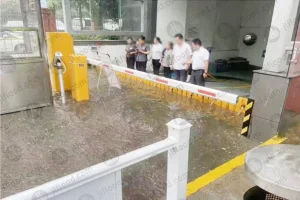
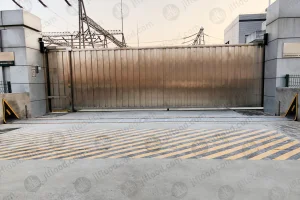
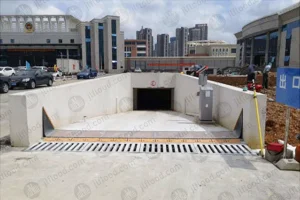
Wholesale Flood barrier Costa Rica
Wholesale Flood barrier, Flood defence automaticlly Manufacturer, Pricelist
View Product Details →
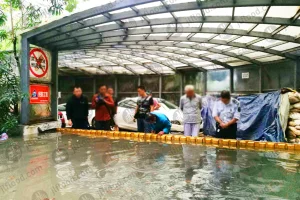
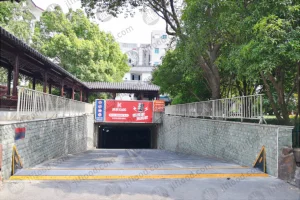
Modular hydrodynamic automatic flood gate Costa Rica
Wholesale Modular hydrodynamic automatic flood gate Supplier, Factories
View Product Details →
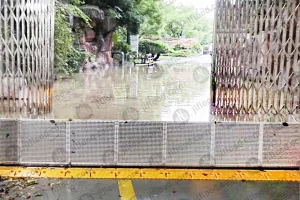
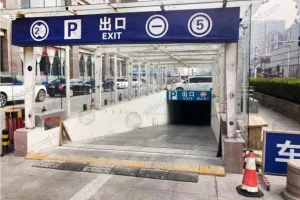
Automatic flood barrier without power Costa Rica
China Automatic Flood Barrier without electric power Pricelist, Quotes
View Product Details →
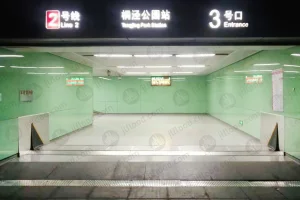
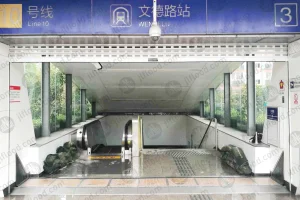
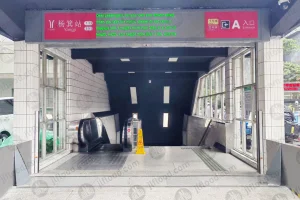
Transit Station Flood Barrier Costa Rica
Wholesale Flood Barrier at Metro Station Suppliers, Factory (Transit Protection)
View Product Details →
0.1 s
Passive Hydrological Trigger Time
100%
Zero Power Grid Reliance
28 Ton
Heavy Vehicle Axle Load Rating
20+ Yrs
Design Service Life (EPDM + Alloy)
Industry Whitepaper Analysis

Costa Rica's Hydro-Geological Reality & Macro Flood Risk Dynamics

Costa Rica’s unique geography—sandwiched between the Pacific Ocean and Caribbean Sea with a rugged central mountain backbone—creates distinct tropical rain micro-climates. Rapid urbanization in the Greater Metropolitan Area (GAM), including San José, Alajuela, Heredia, and Cartago, has exposed vulnerability in modern underground infrastructure.

During the tropical rainy season (*invierno*) from May through November, convective storms and tropical waves frequently cause flash flooding (*inundaciones relámpago*). The overloading of municipal storm drainage networks leads to catastrophic water ingress into underground parking structures, commercial basements, and critical electrical utility vaults.

Furthermore, coastal commercial centers near Puerto Limón on the Atlantic coast and Puntarenas, Jacó, and Quepos on the Pacific coast face severe challenges from combined storm surges and riverine overflow. Traditional flood mitigation relying on manual aluminum stop-logs or temporary sandbags consistently fails due to two factors: late deployment due to unpredictable storm speed, and power outages that disable electrical pump systems.

Key Infrastructure Vulnerabilities in Costa Rica:

  • Underground Parking Garages (San José / Escazú / Santa Ana): High property damage risks for luxury residential and commercial high-rises.
  • Free Trade Zones (Zonas Francas): Industrial park entrances in Coyol and Heredia where logistics disruptions halt export workflows.
  • ICE Power Substations: High-voltage switchyards vulnerable to flash flooding causing regional blackout cascades.
  • Hospital & Emergency Basements: Vital services vulnerable during severe hydrometeorological events.
Engineering Evolution

The Global Shift from Manual Barriers to Passive Hydrodynamic Auto-Gates

Globally, flood risk management has shifted from reactive manual interventions to proactive **passive flood mitigation technology**. Legacy solutions suffer from fatal operational flaws that modern civil engineering standards no longer accept:

Legacy Sandbags & Manual Logs

Requires hours of physical labor, advance warning, and dedicated storage. Human error or absence during late-night flash floods inevitably leads to total flooding.

Motorized Electrical Gates

Relies on grid power, complex sensors, and mechanical actuators. Severe storms routinely cut electrical grids, disabling motorized gates precisely when needed.

Hydrodynamic Passive Barriers

100% Automated Physics: Rising floodwater enters an underground chamber, creating natural buoyancy that lifts the barrier panel automatically. Zero power, zero maintenance.

Supply Chain Dominance

China's Manufacturing Scale & Nanjing Junli Technology Advantage

As the world's leading center for specialized architectural engineering hardware, China offers unmatched advantages in alloy extrusion precision, hydraulic sealing technology, and economies of scale. Nanjing Junli Technology Co., Ltd. stands at the forefront of this industrial capability.

  • 6063-T6 Structural Grade Aluminum Alloys: Tailored extrusions offering exceptional yield strength, high corrosion resistance, and light weight for immediate buoyancy activation.
  • EPDM Multi-Lip Sealing Gaskets: Custom-formulated synthetic rubber seals maintaining structural elasticity under extreme temperature fluctuations and UV radiation typical of Central America.
  • 40-60% Cost Efficiency: Direct factory procurement eliminates intermediary markup, allowing Costa Rican developers and contractors to obtain certified industrial flood barriers at competitive wholesale pricing.
  • Custom Structural Engineering: In-house CAD/BIM team capable of customizing clear spans from 1.5 meters up to multi-leaf arrays spanning over 30 meters for broad driveway entrances.

Quality Assurance Protocol

Every Junli hydrodynamic flood barrier undergoes rigorous testing in our in-house full-scale hydraulic testing pool before international dispatch to Costa Rica.

100% Zero-Leakage Static Water Pressure Verification
Technical Deep Dive

Hydrodynamic Working Principle: Buoyancy & Hydrostatic Locking

The Junli automatic water-retaining flood barrier is embedded flush with the ground level during dry conditions, allowing normal vehicle and pedestrian traffic. Its operation relies on basic fluid physics:

STAGE 01

Flush Embedded State

In dry conditions, the heavy-duty structural aluminum door panel rests horizontally inside a stainless steel ground basin, level with the asphalt or concrete road surface. Vehicles freely drive over it without noise or vibration.

STAGE 02

Water Inflow & Buoyancy

When surface water accumulates to a height of 3–5 cm, floodwater flows into the bottom collection basin through inlet grates. Natural hydraulic buoyancy acts upon the hollow chamber of the panel, causing it to pivot upward automatically.

STAGE 03

Hydrostatic Sealing Lock

As flood levels rise, the increasing hydrostatic pressure pushes the barrier panel firmly against the vertical side frames and bottom seals. The higher the water pressure, the tighter the EPDM seals lock, preventing water ingress.

Localized Solutions

Localized Application Scenarios Across Costa Rican Sectors

Our hydrodynamic automatic flood defense systems are designed to integrate seamlessly into diverse commercial, industrial, and public civil projects across Costa Rica:

Target Sector / Location Typical Asset Risk Recommended Barrier Model Key Operational Benefit
San José / Escazú Commercial Garages Underground ramp flood ingress during heavy afternoon rains (*aguaceros*). Embedded Hydrodynamic Ramp Barrier (T25 / T40 Load) Pivots up smoothly as ramp fills, protecting multi-story subterranean vehicle parking.
Costa Rica Free Trade Zones (Heredia / Alajuela) Logistics loading bay flooding disrupting international cargo export flow. Wide-Span Modular Hydrodynamic Auto Gate Spans wide commercial bays up to 24m without center columns, maintaining clear logistics access.
ICE Hydroelectric & Electrical Substations Transformer pit and cable duct flooding causing regional power grid outages. Stainless Steel Perimeter Auto Flood Gate 100% passive security boundary protection resistant to transformer oils and rust.
Pacific & Caribbean Coastal Resorts (Guanacaste / Limón) High tide surges, storm runoff, and saline atmospheric corrosion. Anodized Marine Grade 6063-T6 / SUS316 Barrier Salt-spray resistant construction preventing structural degradation in marine coastal climates.
Procurement & Pricing Guide

Pricelist Guidelines & Cost Matrix (FOB China / CIF Costa Rica Ports)

Understanding the pricing factors for industrial hydrodynamic flood barriers allows purchasing managers, structural engineers, and developers to properly budget their flood protection civil works. Pricing is calculated primarily per linear meter based on structural height, load rating, and alloy grade:

Barrier Height (Retaining) Axle Load Standard Material Specification Estimated Price Range (USD / Meter)
0.6 Meter (Standard Ramp) Pedestrian / Light Car (5 Ton) Aluminium Alloy 6063-T6 + EPDM $450 - $650 / m
0.9 Meter (Medium Infrastructure) Commercial Vehicle (20 Ton) Aluminium Alloy 6063-T6 + SUS304 Base $680 - $950 / m
1.2 Meter (Heavy Duty / Metro) Heavy Truck / Fire Engine (40 Ton) Reinforced Structural Alloy + SUS316 Frame $980 - $1,350 / m
1.5M - 2.0M (Substation / Coastal) Custom Industrial Specification Heavy Duty Modular System + Custom Seal Array $1,400 - $2,100 / m

Shipping Note for Costa Rica Buyers: Direct container shipments (20GP / 40HQ) are regularly dispatched from Shanghai or Ningbo ports to Puerto Caldera (Pacific) or Puerto Limón (Atlantic). Ocean transit time typically ranges between 24 to 32 days. Detailed installation templates, rebar anchor specs, and video technical guides are included with every export crate.

Complete Product Catalog

Full Range of Water Retaining Flood Barrier Models

Explore our secondary collection of field-tested automatic gates, flip-up barriers, and specialized transit protection products engineered for global export:
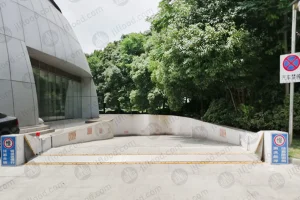
Wholesale Flood Barrier Metro Connection Channel
Wholesale Flood Barrier at Metro Connection Channel Manufacturer, Factories
View Product Details →
China Automatic Flood Barrier Substation Gate
China Automatic Flood Barrier at Substation Gate Factory, Pricelist
View Product Details →
Wholesale Flip up flood barrier for garages
Wholesale Flip-up flood barrier for garages Manufacturer, Factory
View Product Details →
Wholesale Automatic flood barrier Embedded installation
Wholesale Automatic flood barrier, Embedded installation Manufacturer, Suppliers
View Product Details →
China Self closing flood barrier Factory
China Self closing flood barrier Factory, Factories
View Product Details →
Surface type Automatic flood barrier for Metro
China Surface type Automatic flood barrier for Metro Suppliers, Pricelist
View Product Details →
China Automatic Flood Barrier without electric power
China Automatic Flood Barrier without electric power Pricelist, Quotes
View Product Details →
Self closing flood barrier Hm4d 0006D
Wholesale Self closing flood barrier Hm4d-0006D Suppliers, Pricelist
View Product Details →
Technical Help Center

Frequently Asked Questions (Costa Rica Market Procurement)

How does the automatic flood barrier operate during grid power blackouts?
The Junli hydrodynamic flood barrier operates completely without electricity, sensors, or human intervention. It relies entirely on passive fluid physics: as floodwater flows into the embedded bottom basin, natural buoyancy forces raise the hollow structural aluminum panel. As the water level rises higher, hydrostatic head pressure locks the panel tightly against the sealing gaskets. Even if power grids throughout San José fail, the gate functions flawlessly.
Can heavy freight trucks drive over the barrier when it is stored flush?
Yes. Our heavy-duty ramp models are structurally rated for axle loads ranging from T25 (25 Tons) to T40 (40 Tons), far exceeding standard vehicle requirements. When in its lowered flush position, internal heavy-steel load support pillars transfer vehicle weight directly down to the reinforced concrete foundation, ensuring smooth passage for heavy delivery trucks, municipal buses, and emergency vehicles.
What civil engineering preparation is required prior to installation in Costa Rica?
For embedded models, contractors need to excavate a shallow trench across the driveway entrance according to our structural drawing specifications, pour a level reinforced concrete base, and provide a 110mm gravity drainage connection at the side sump pit. Surface-mounted retrofit models are also available for existing sites where deep ground excavation is restricted.
How does the system perform in coastal salt-spray environments like Puerto Limón or Puntarenas?
For coastal installations, we utilize anodized 6063-T6 marine grade aluminum alloys alongside SUS316 stainless steel frame housings. All fasteners and mechanical pivot joints are manufactured from high-grade stainless steel to resist galvanic corrosion, pitting, and oxidation caused by salt spray and tropical humidity.
What is the expected maintenance schedule and seal lifespan?
The structural aluminum and stainless steel components have a design service lifespan exceeding 20 years. The primary multi-lip EPDM rubber seals are UV-stabilized and engineered for a service life of 8 to 12 years depending on exposure conditions. Maintenance simply involves periodically inspecting the bottom pit for accumulated sediment or debris and flushing it out with a water hose after major storm events.
How are products packaged and shipped to Costa Rican clients?
All units are wrapped in protective anti-scratch film and shipped inside heavy-duty, reinforced plywood export crates designed to prevent flex or damage during sea transit. Shipments originate from major Chinese ports directly to Puerto Caldera or Puerto Limón under FOB, CIF, or DDP terms as required by your procurement team.

Protect Your Costa Rican Assets with Hydrodynamic Engineering

Send us your opening clear widths, site photos, or architectural elevation CAD files today. Our Senior Hydrotechnical Engineering Team will deliver a comprehensive project proposal, custom CAD drawings, and factory direct pricelist within 24 hours.

Send Inquiry Now
Request a Catalog