
Engineered for instant passive deployment during heavy monsoon (*Changma*) cloudbursts without grid electricity or manual operation.
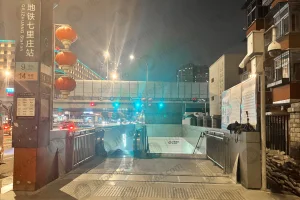
Flush subterranean foundation setup for seamless foot traffic at high-density transit portals.
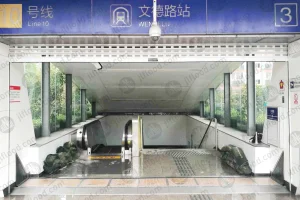
Rapid retrofit mounting system for existing station stairs and emergency exit shafts.
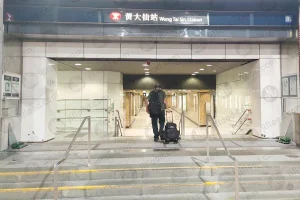
Heavy-duty modular panel array designed to withstand extreme hydro-static dynamic loads.
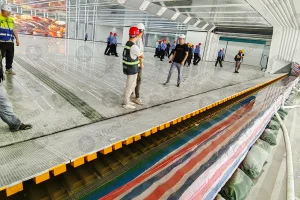
Buoyancy-activated safety gates providing 24/7 autonomous protection for underground structures.
The Korean Peninsula faces an accelerating frequency of extreme meteorological events. The convergence of annual summer monsoon rains (*Changma*), intense atmospheric rivers, and urban heat island micro-climates has led to unprecedented hourly precipitation rates exceeding 100mm/h across the Seoul Metropolitan Area (SMA), Incheon, and Busan.
The disastrous August 2022 Seoul flash floods underscored severe structural vulnerabilities within low-lying urban nodes such as Gangnam, Dorimcheon, and coastal Busan transit complexes. When localized surface run-off overwhelms municipal storm sewer capacities, water cascades into subway entrances, underground shopping arcades (*Underground Plazas*), and multi-level parking structures within minutes.
Nanjing Junli Technology Co., Ltd. supplies advanced hydrodynamic automatic flood barriers designed specifically to meet the high engineering density and strict regulatory frameworks mandated by South Korea’s Ministry of Land, Infrastructure and Transport (MOLIT) and local transit authorities (such as Seoul Metro, KORAIL, and Busan Transportation Corporation).
Eliminating human error and power dependence through mechanical fluid dynamics and precision sealing architecture.
The structural barrier panel rests embedded flush with the walkway floor. As floodwaters breach the kerb and enter the bottom recessed foundation chamber, natural hydraulic buoyancy forces the lightweight extruded aluminum door panel to pivot upwards automatically. No water sensors or motors are required.
As the incoming floodwater head increases outside the barrier, hydrostatic pressure pushes the door panel firmly against the frame side posts. Dual EPDM rubber gaskets undergo continuous compression sealing, turning hydrostatic force into the primary sealing mechanism.
Once stormwaters recede through municipal drainage channels, water inside the bottom basin drains via standard gravity check valves. The barrier panel gradually resets back to its flush horizontal position, restoring open pedestrian transit without obstruction.
| Protection Technology | Activation Method | Grid Power Dependence | Response Time | Maintenance Lifecycle | Suitability for Korea Metro |
|---|---|---|---|---|---|
| Junli Hydrodynamic Barrier | Passive Buoyancy & Fluid Pressure | 0% (Fully Independent) | < 15 Seconds | Low (20-Year Design Life) | Highest (Recommended) |
| Electric Motorized Drop Gates | PLC Sensor / Motor Drive | 100% (Fails on Blackout) | 45 – 90 Seconds | High (Motor & PLC servicing) | Moderate (Requires UPS Backup) |
| Manual Aluminum Stoplogs | Human Labour Assembly | 0% | 30 – 60 Minutes | Moderate (Storage & Loss Risk) | Low (Vulnerable to sudden flash floods) |
| Sandbag Temporary Embankments | Manual Stacking | 0% | 2+ Hours | Single-use / High Disposal Cost | Obsolete for modern urban transit |
For South Korean EPC contractors, subway authorities, and commercial property developers, balancing compliance with project budgets is paramount. Sourcing directly from Nanjing Junli Technology Co., Ltd. provides a massive strategic advantage in both engineering quality and total cost of ownership.
Situated in Nanjing's premier high-tech manufacturing zone, our state-of-the-art facility integrates raw material extrusion, automated laser cutting, robotic welding, fluorocarbon surface treatment, and full-scale hydraulic testing under one roof.
Junli hydrodynamic barriers protect major rail networks across Asia. Our field performance in major metropolitan systems provides Korean municipal consultants with complete risk mitigation confidence.
Installed at high-density interchange points connecting Line 1 and Line 5. Verified during severe seasonal monsoon surges, preventing millions in potential signal equipment damage.
Custom marine-grade 316 stainless steel framework engineered to resist high salinity coastal fog and localized seawater inundation along northern transit routes.
Heavy-duty flip-up and hydrodynamic systems protecting critical electrical distribution hubs powering dense subterranean rail arteries during super typhoon impacts.
Embedding a hydrodynamic flood gate into existing or newly constructed Korean subway station entrances requires precise civil alignment. Junli supplies complete civil template drawings and installation support.
Our engineering manufacturing matrix aligns with essential Korean civil standards:
Explore our complete range of tested water-retaining barriers, connection channel gates, and automated building flood barriers.
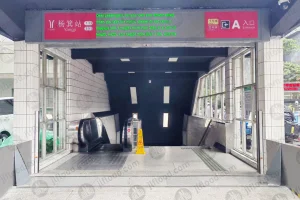
Proven underground interchange protection designed for high-density pedestrian flow.
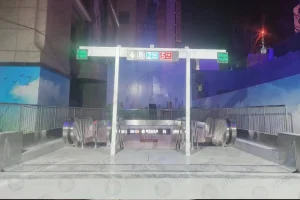
Corrosion-resistant barrier array suited for marine atmosphere environments.
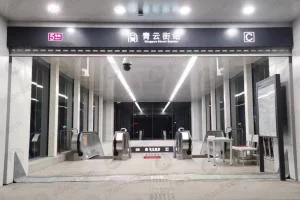
High structural loading resistance designed to withstand heavy floodwater impacts.
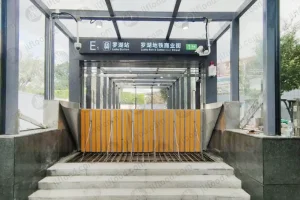
Custom span configuration matching multi-lane subway portal entry structures.
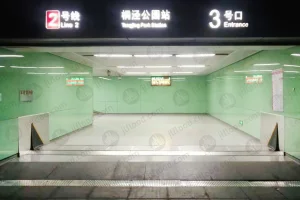
Specialized underground passage barrier preventing cross-structure water migration.
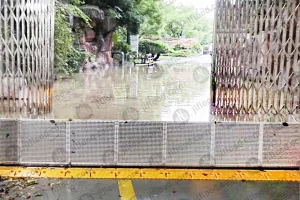
100% unpowered hydrodynamic self-rising flood gate for high-risk flood zones.
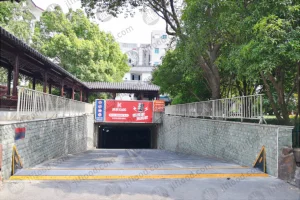
Drive-over structural panel protecting commercial basement garages from flash flooding.
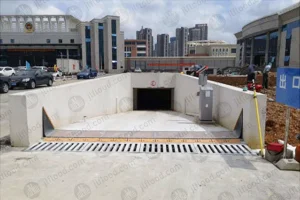
Engineered compact module for utility rooms, sub-stations, and cable shafts.
Technical clarity on hydrodynamic performance, civil works, logistics, and reliability.


